Tunan Lin
Articles by Tunan Lin
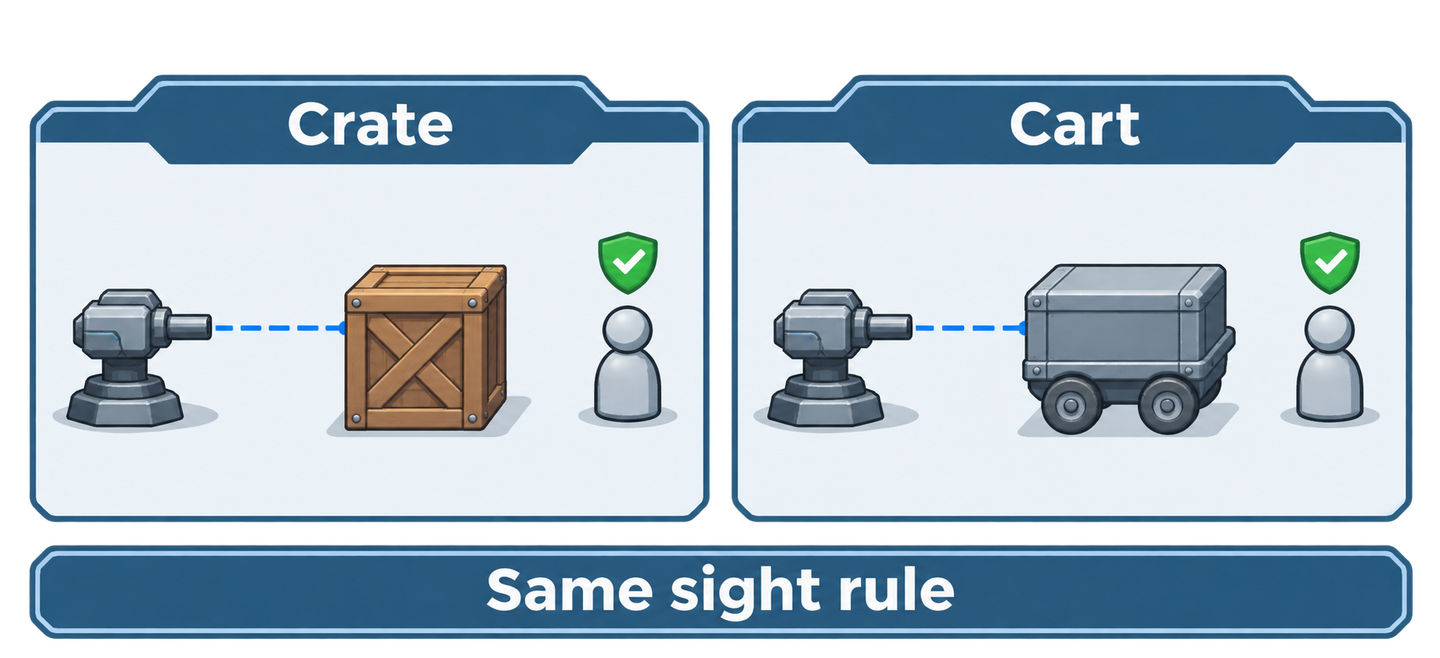
Let the cart block the same sight line
A movable prop becomes a useful tool when its visible properties predict what it can interrupt. Check that expectation before adding more special interactions.
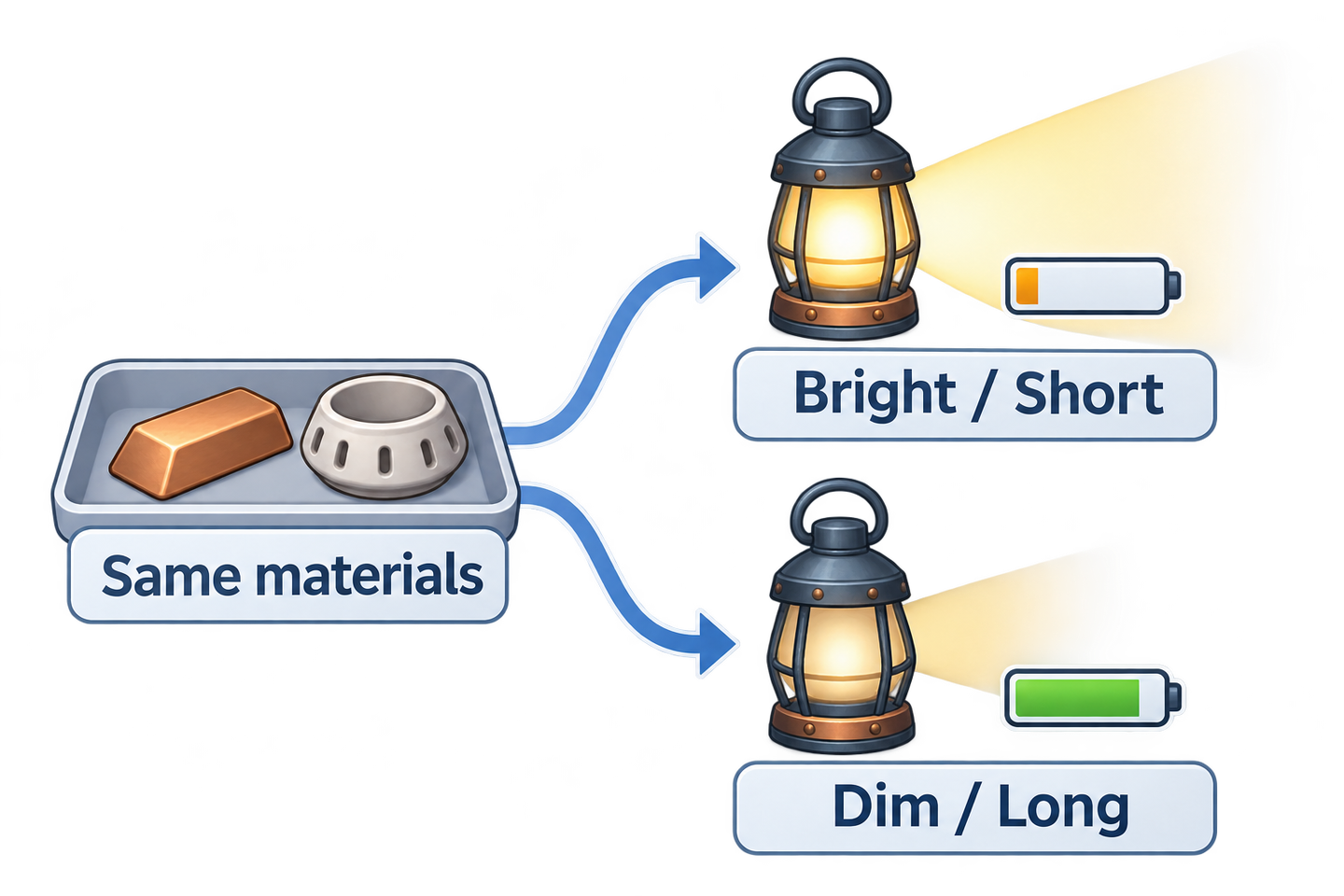
Give crafting a decision after the ingredients
Choosing a recipe can be a meaningful decision. Before adding a crafting minigame, identify what the player could still change once the materials reach the bench.
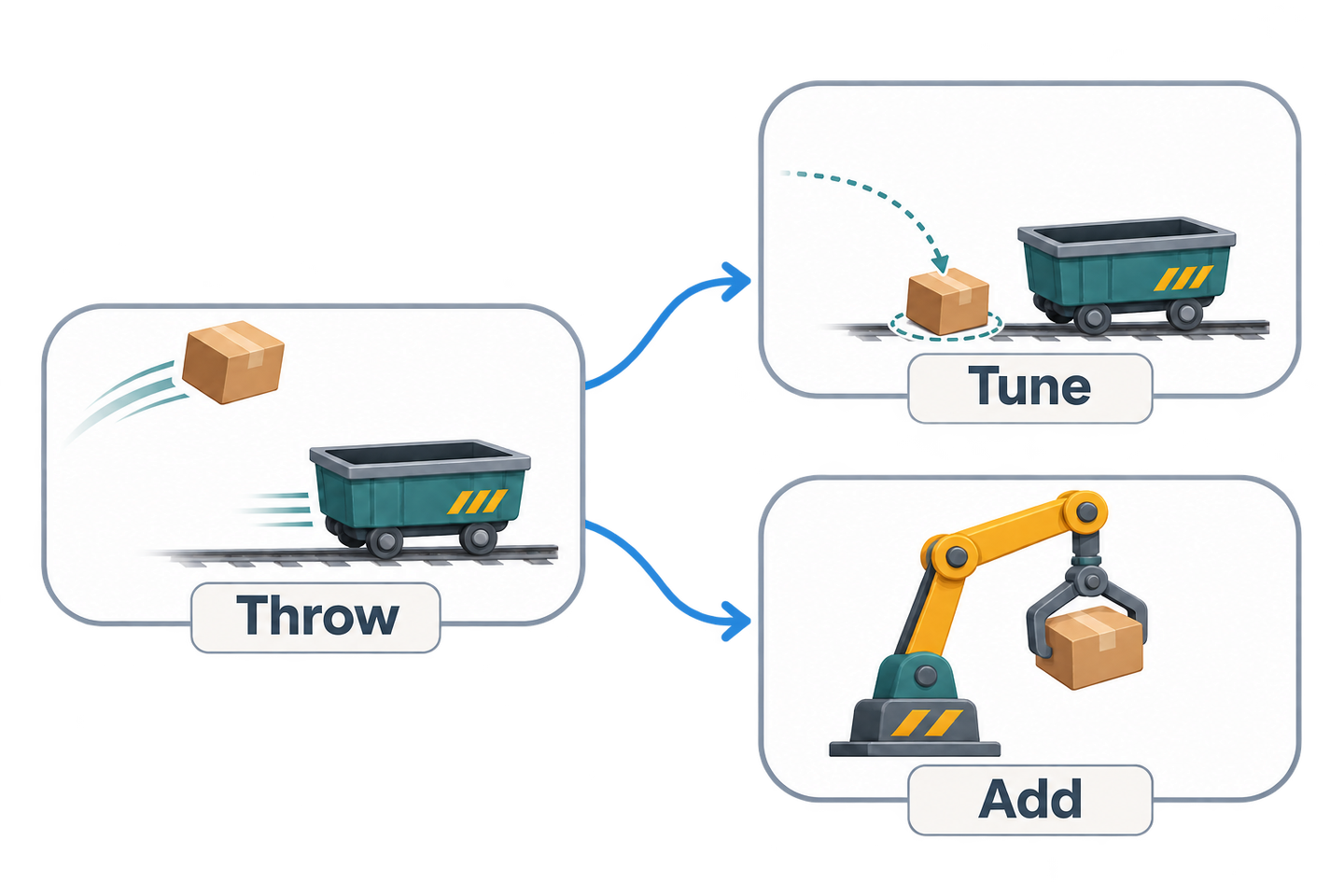
Leave time to tune the interaction
Before adding a second mechanic, identify what still prevents players from using the first one and reserve time to learn from a playable change.
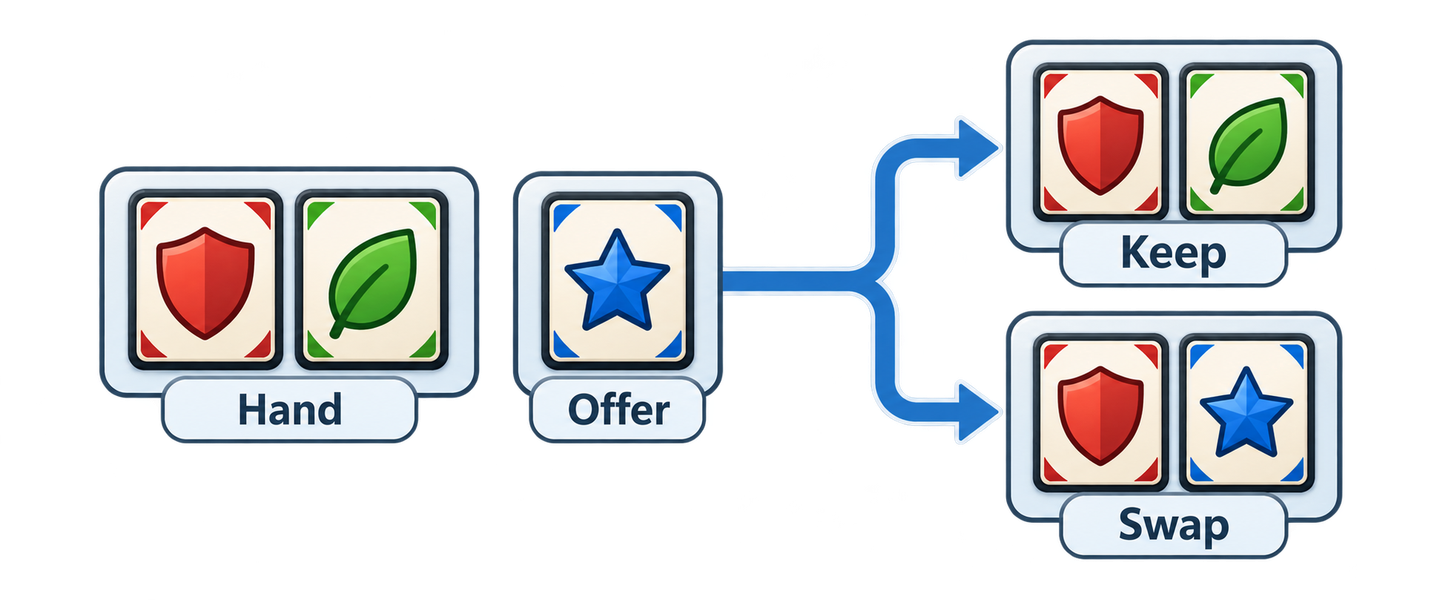
Show the card before asking for a swap
An optional replacement can preserve a card reward’s possible outcomes while changing what the player must decide.
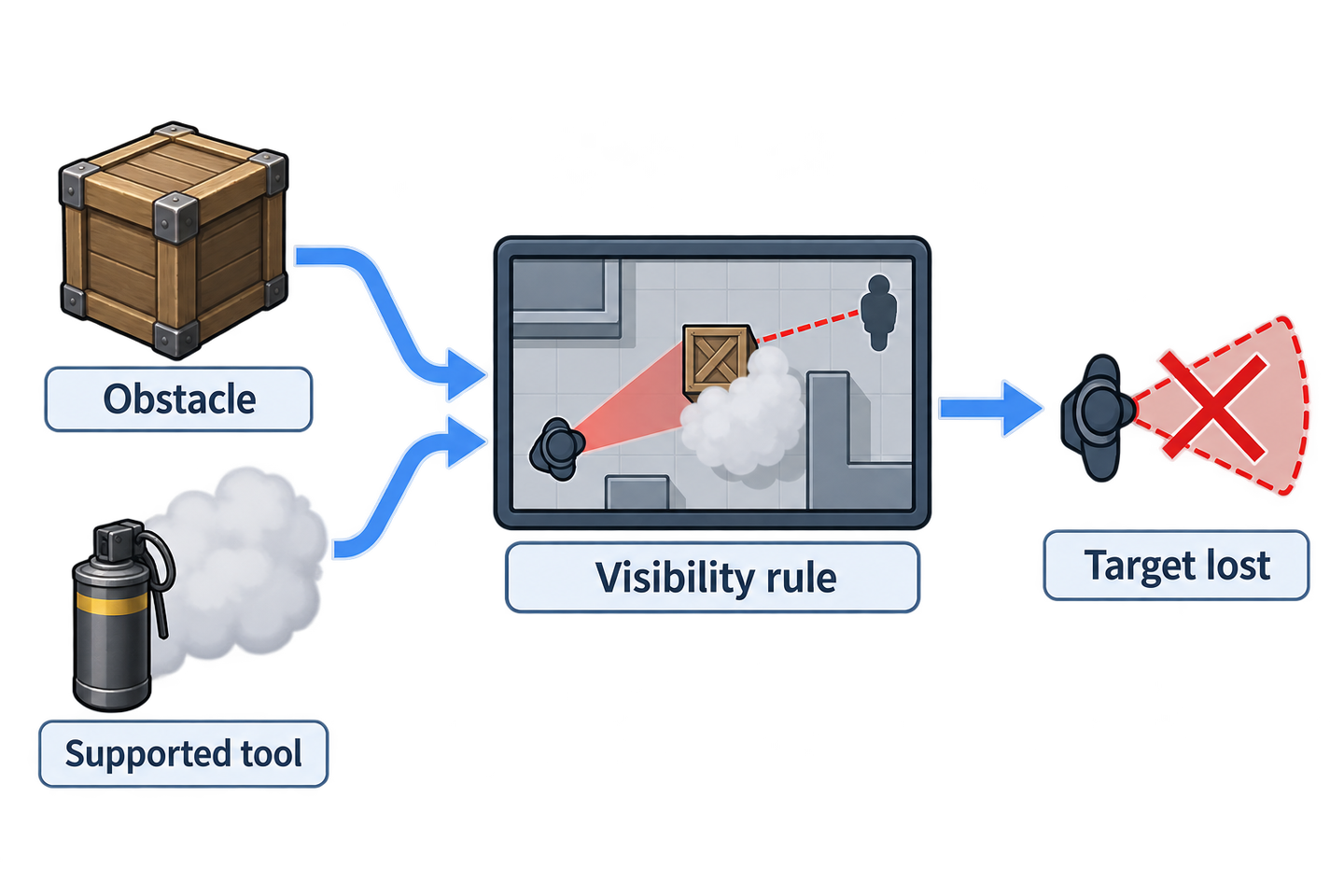
Give generated tools a rule the world already understands
Start with one shared effect and trace what it lets the player do before expanding a generated toolset.
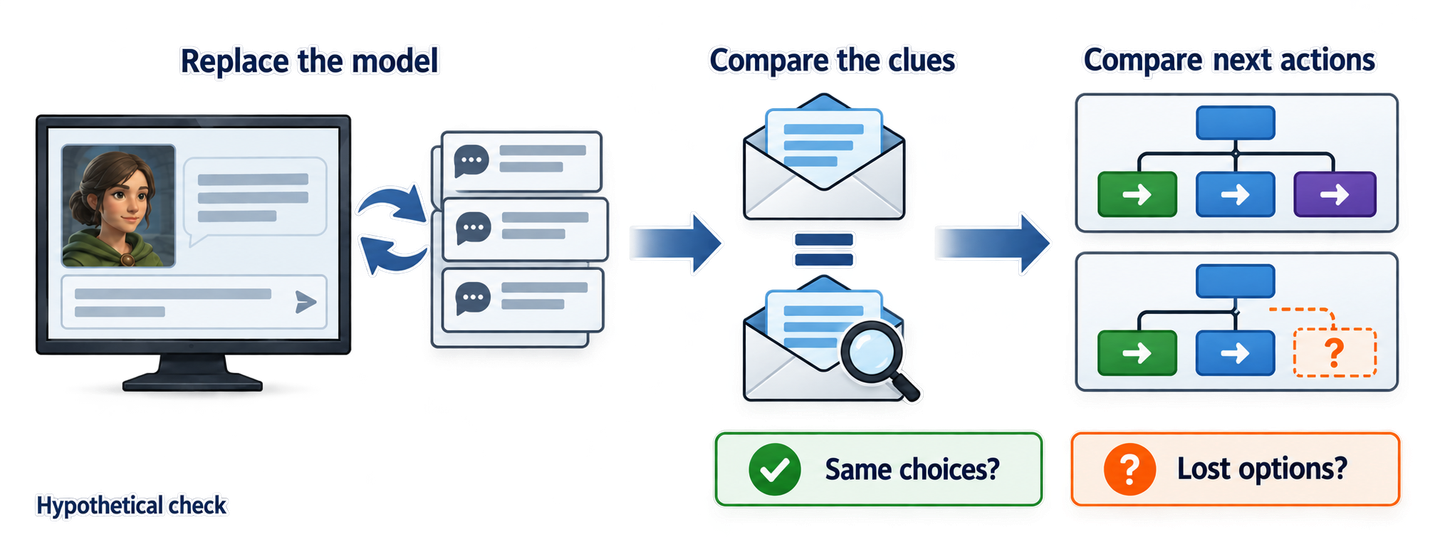
What makes a game AI-native?
Replace the model with written replies and check what changes in play.
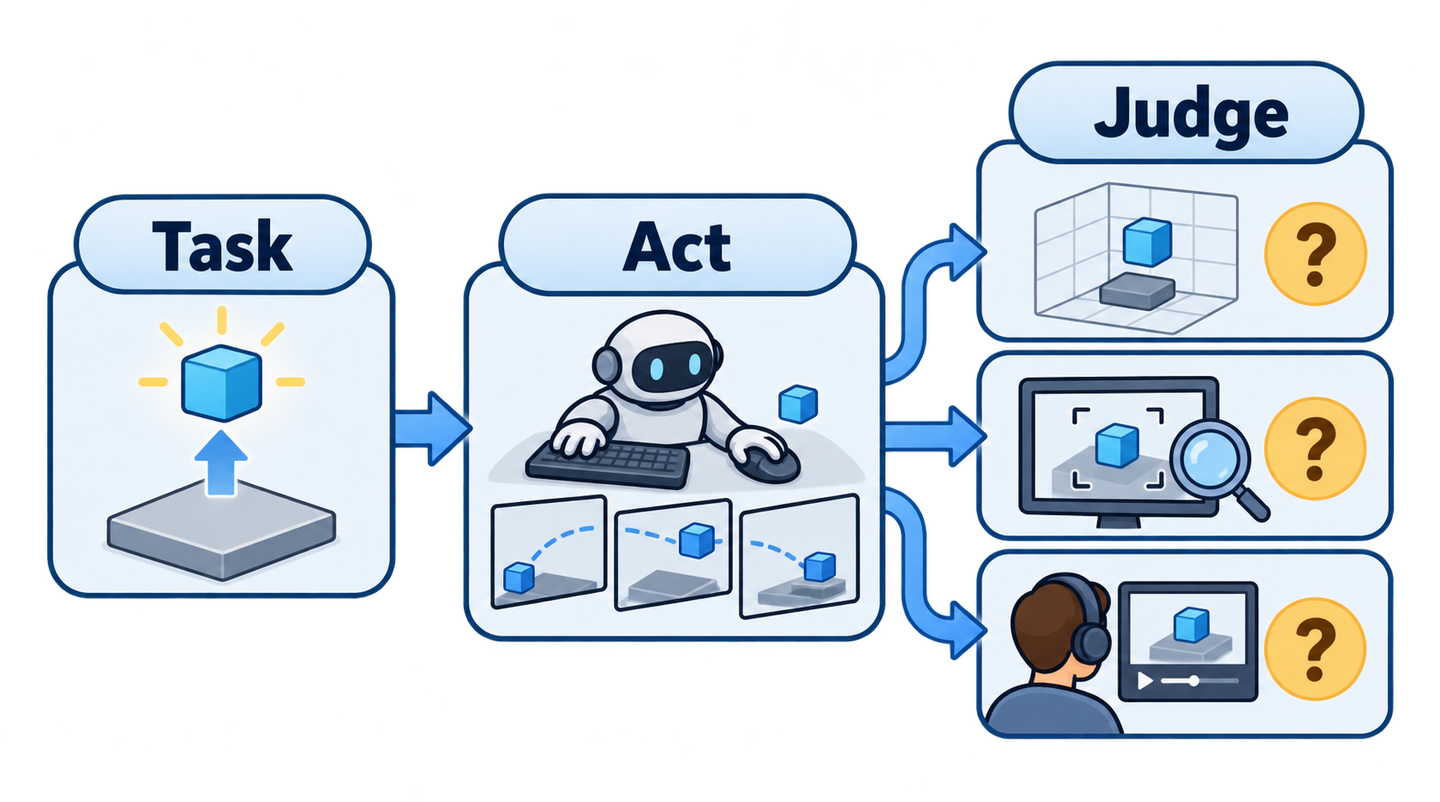
A generalist game agent still needs a definition of task success
Define task consequences and preserve how each agent outcome was judged.
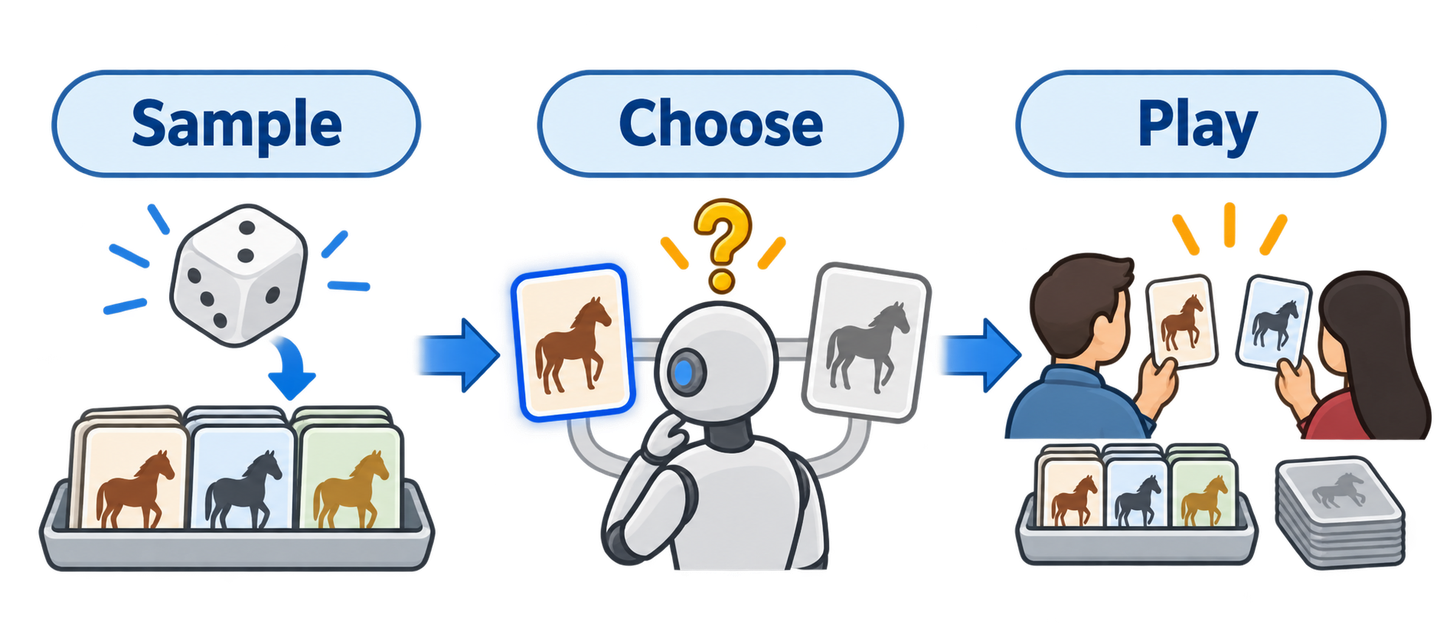
An unpredictable move needs a reason to be random
Separate access to a random sample from the decision to use it in a competitive move.
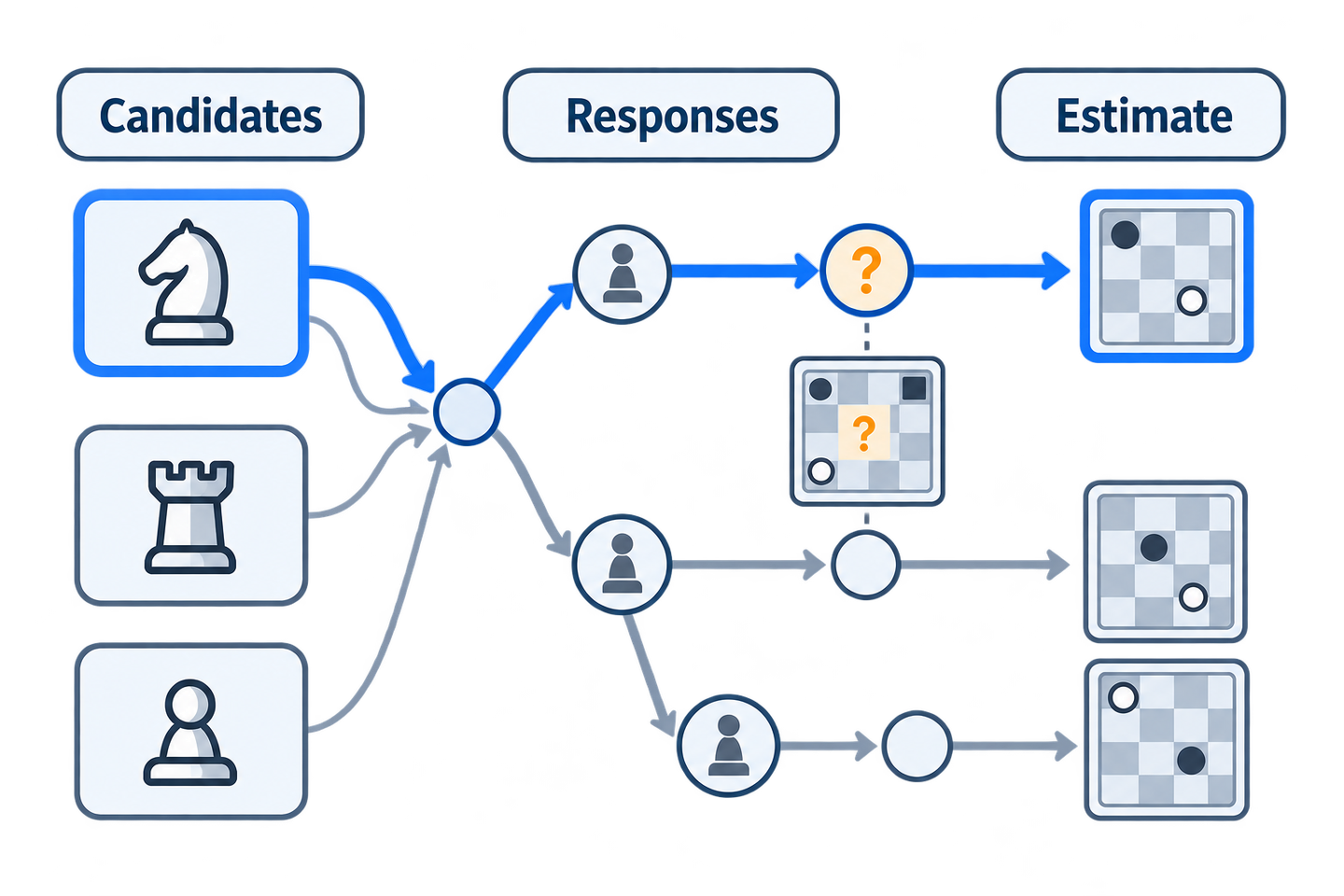
Give a competitive agent a search tree to reason through
Inspect which candidate, response or estimate changes a competitive agent’s chosen move.
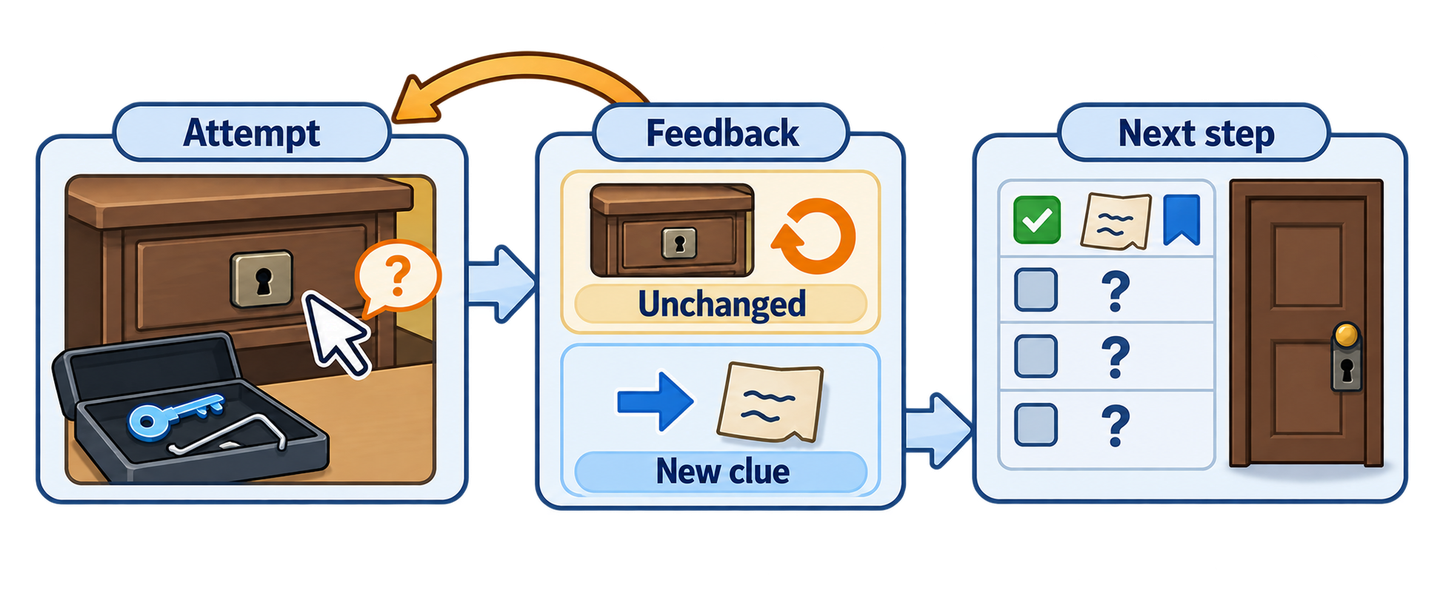
An escape-room agent can take many steps without solving the puzzle
Inspect action feedback and new usable information alongside steps and hints when evaluating puzzle-solving agents.


