Articles
Research, explanations, and practical guides in English.
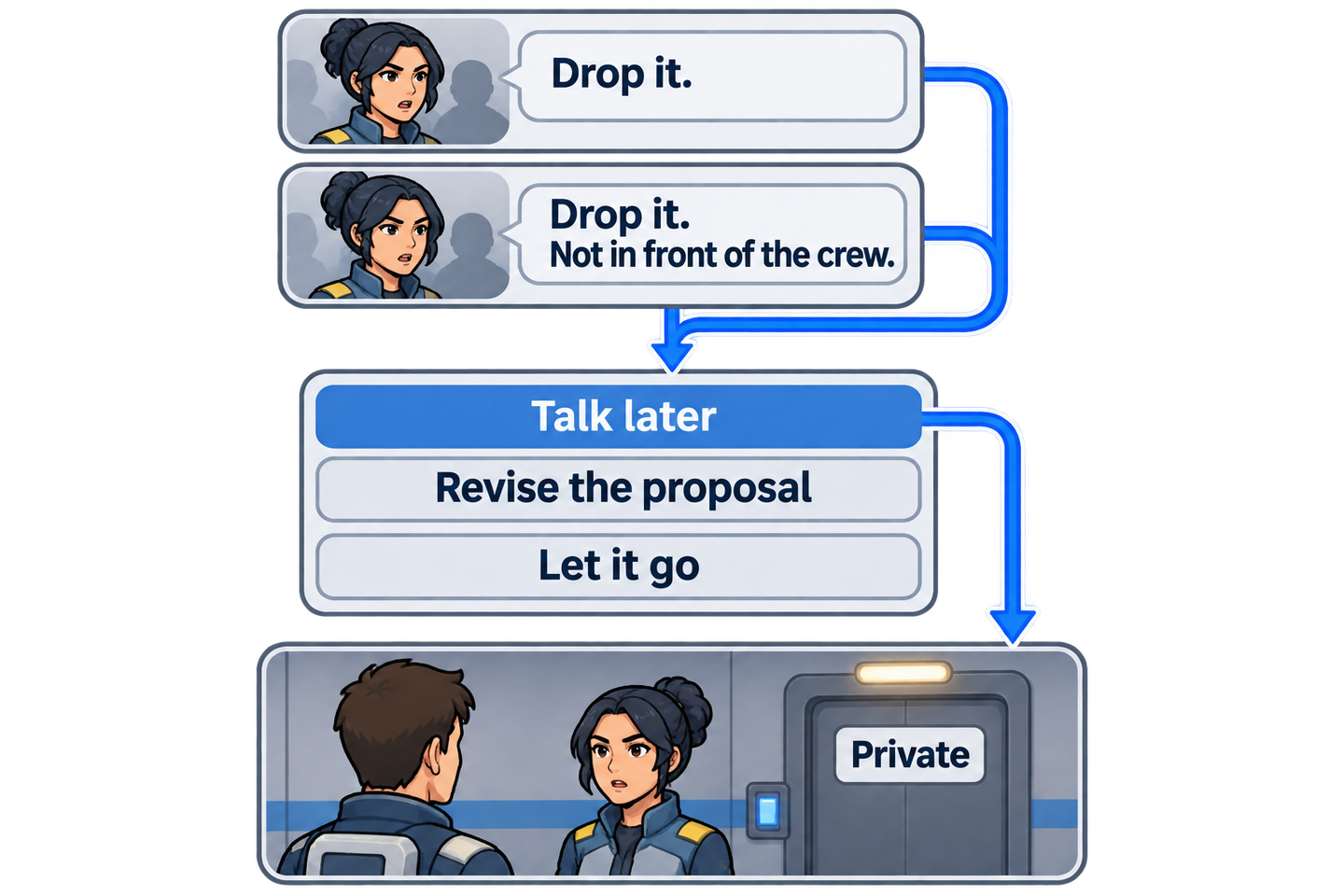
Show What the Refusal Is About
In Prom Week, a believable rejection could still leave players unsure what to do next. A short dialogue exercise asks what players think the crewmate objected to and what they expect their next choice to change.
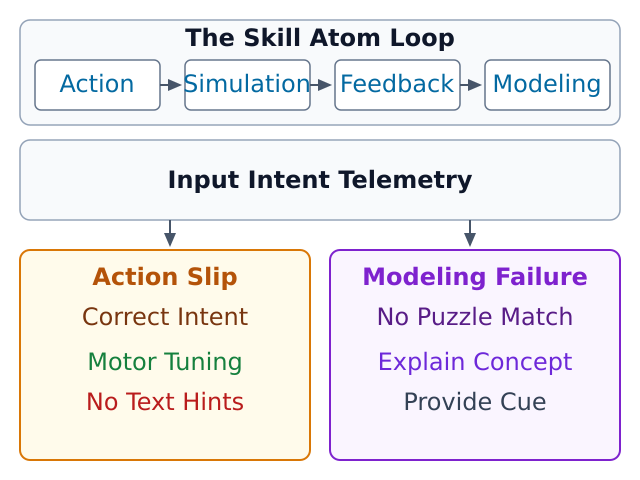
Isolating the Skill Atom Before Offering a Hint
Adaptive hints frequently misdiagnose player struggles by mistaking motor-skill execution slips for conceptual misunderstandings. Applying Daniel Cook's skill-atom feedback loop allows designers to inspect the pre-hint cycle and deliver appropriate assistance.
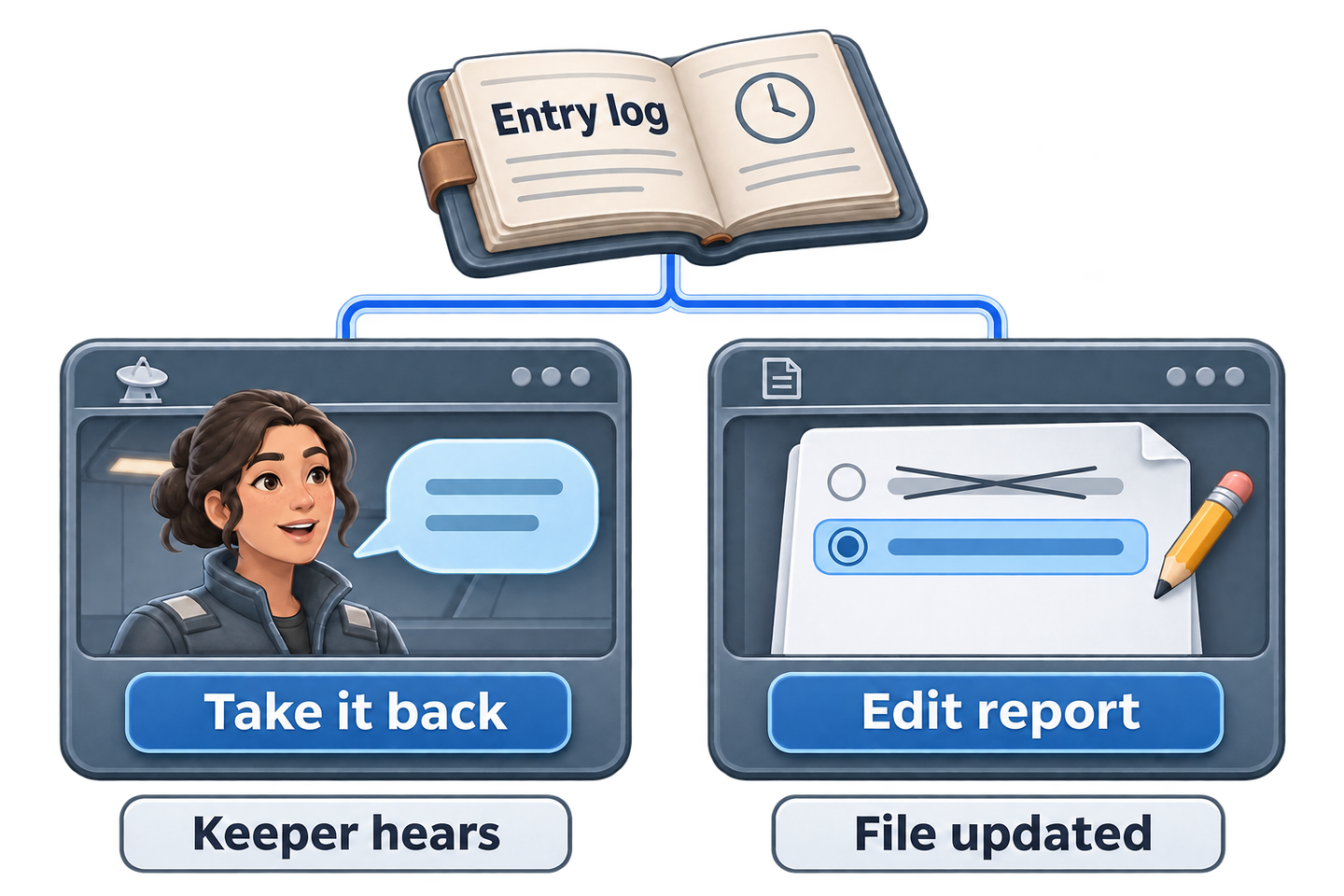
Cut the conversation, keep the retraction
A smaller suspect interview can still let the player make and withdraw a claim. Emily Short’s advice on narrowing conversations gives a team a way to decide which responses it can stop writing.
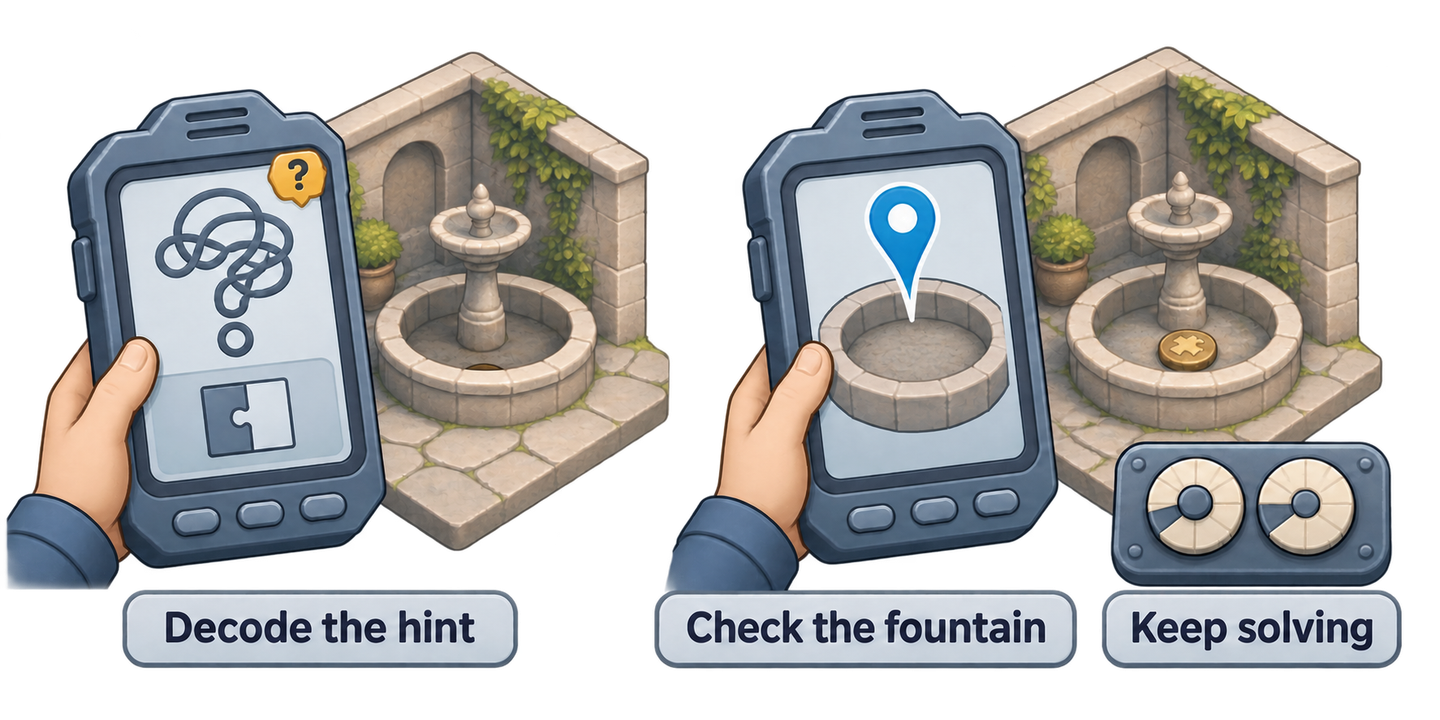
Hints Should Clarify, Not Riddle
When players ask for a hint, they have already stalled. Delivering subtle riddles or complex pedagogical ladders under the guise of immersion often adds friction instead of restoring forward momentum.
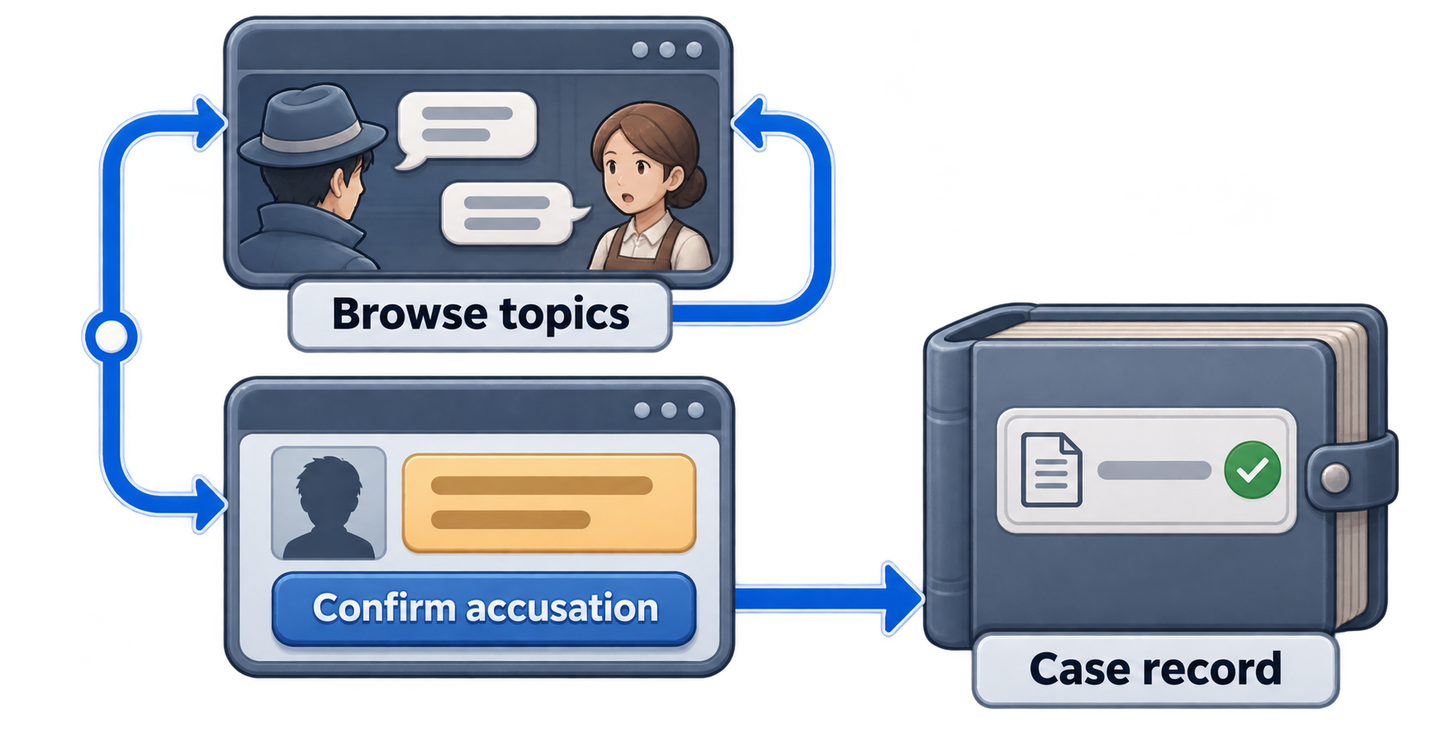
Separating Casual Dialogue Browsing from Binding Story Commitments
Recording every conversational exchange into permanent narrative state penalizes exploratory play. By combining unaddressed weave structures, stitch-scoped temporary variables, and explicit multi-valued lists, narrative designers can let players freely browse dialogue branches while reserving durable state changes for deliberate commitments.
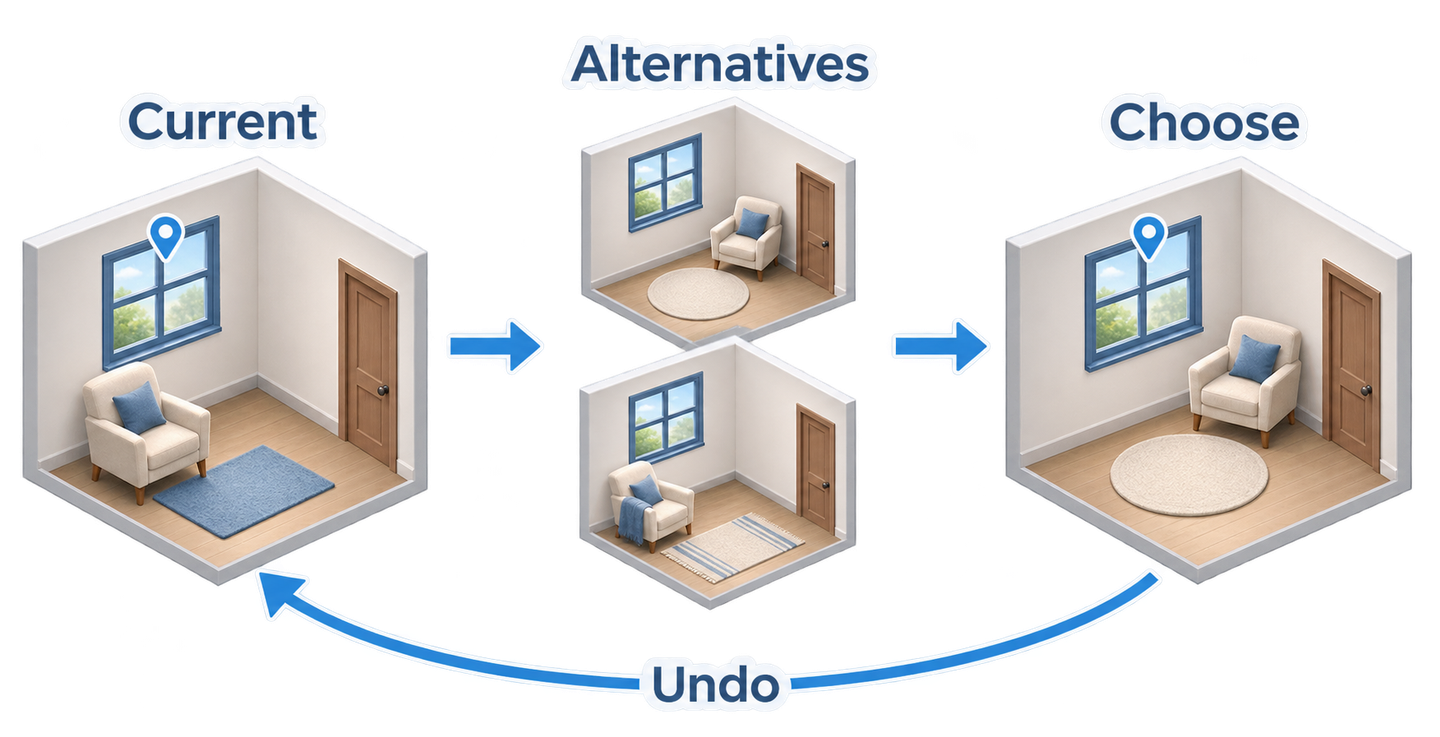
Keep a chosen room while browsing alternatives
A room editor can offer nearby generated alternatives without replacing the version a player has already shaped. The useful boundary is which parts may change.
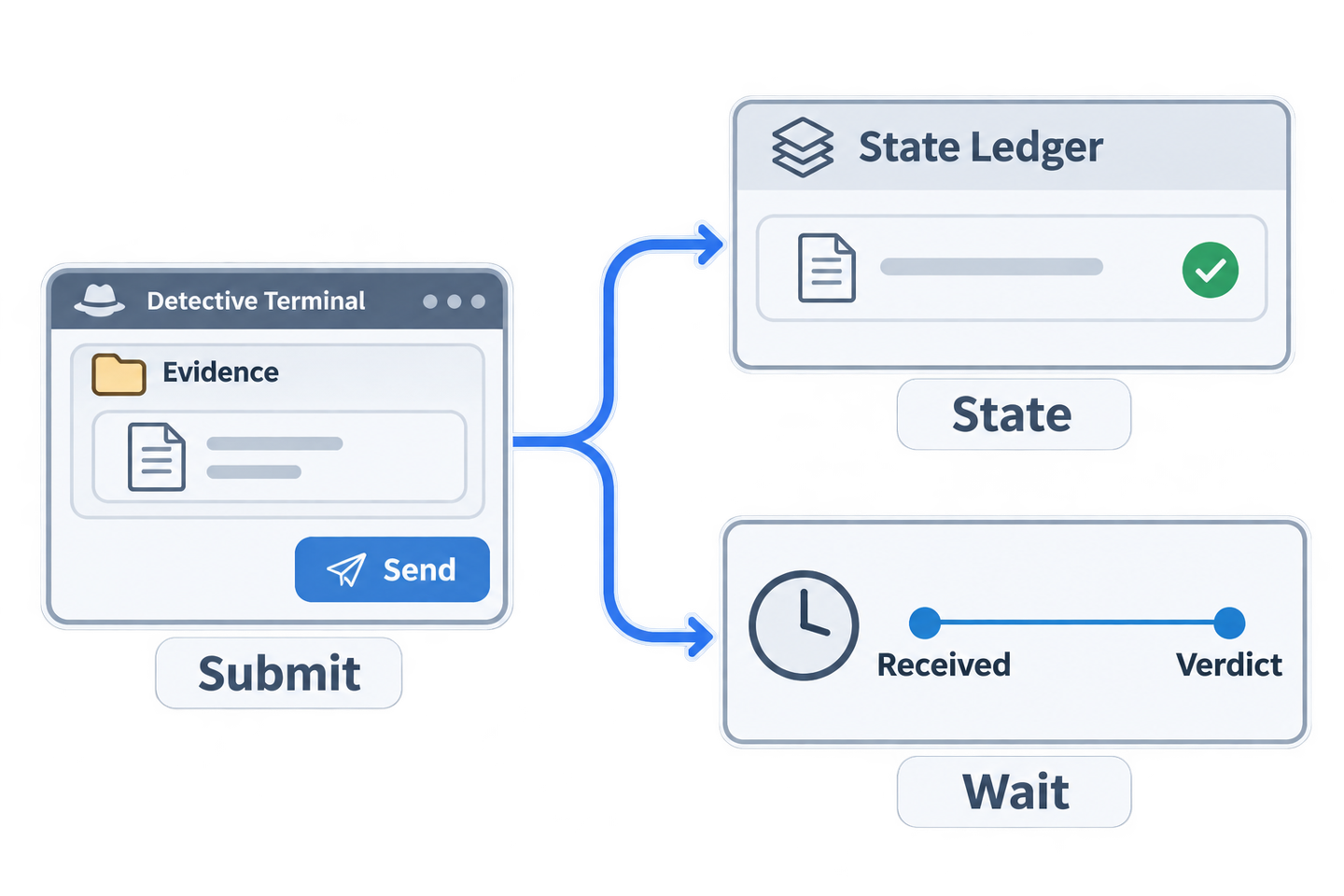
Measure the wait after checking the action
An action can preserve the right state and still leave a player waiting too long. Correctness checks and workload measurements answer different release questions.
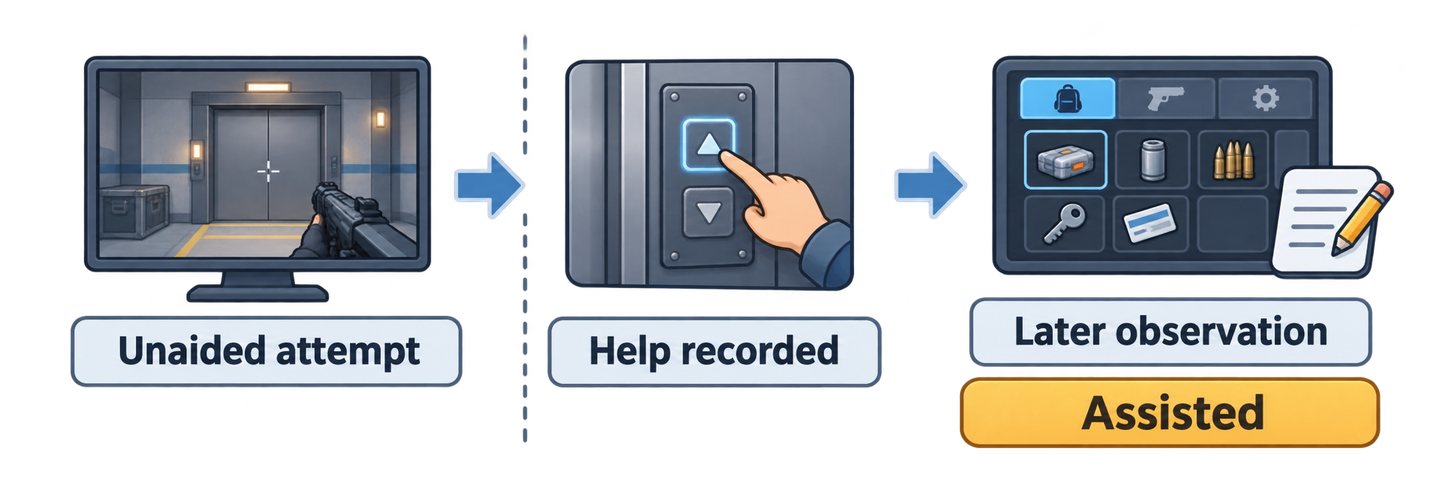
Mark where the moderator helped
Helping a participant past a known blocker can expose later issues. Preserve the intervention so later progress does not become evidence of an unaided route.
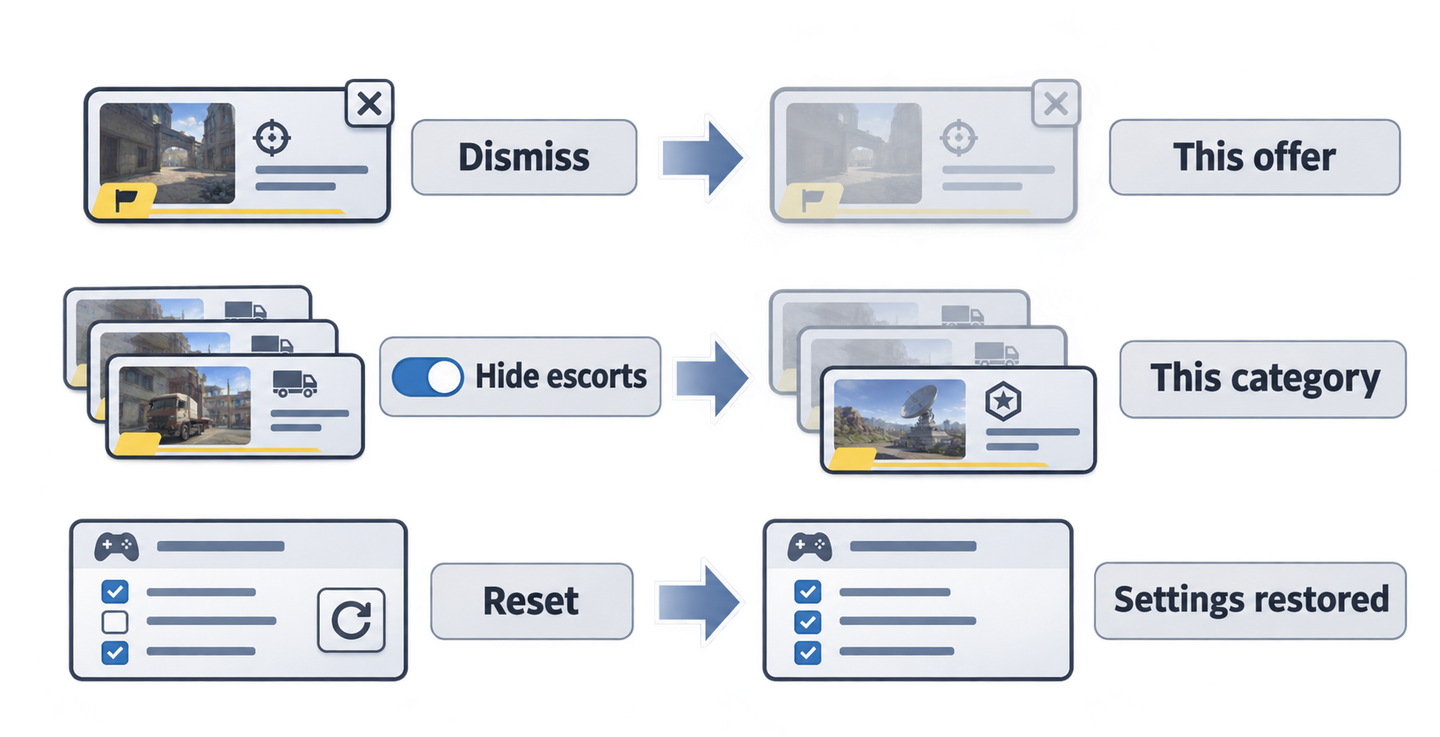
Let a rejected recommendation stay local
Rejecting one suggested mission need not rewrite a player’s preferences. Define the scope of feedback before letting it change future recommendations.
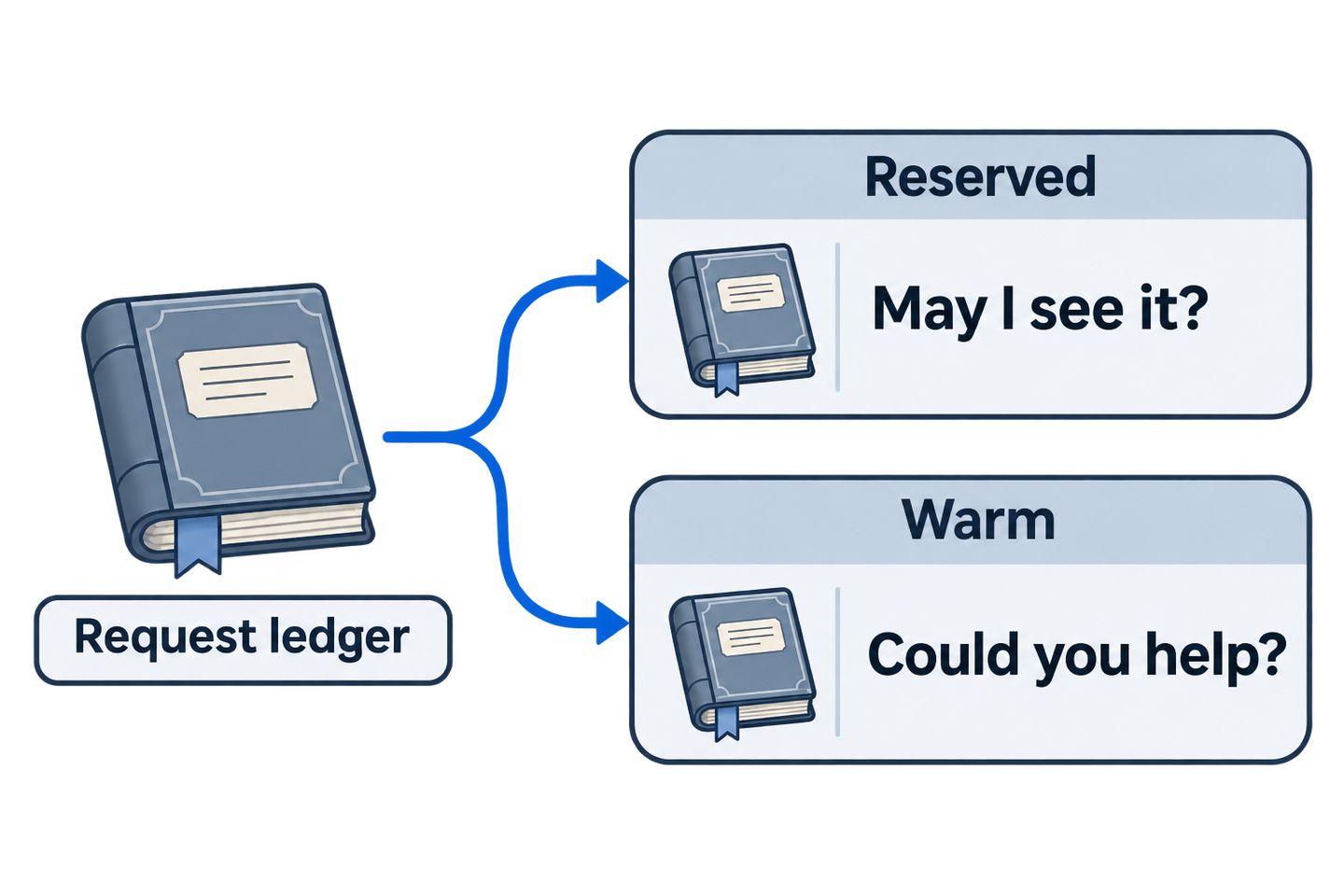
Keep the request when the dialogue style changes
Filtering dialogue for a character’s social style should preserve the acts the player needs to perform. Inspect missing intentions alongside the wording that remains.
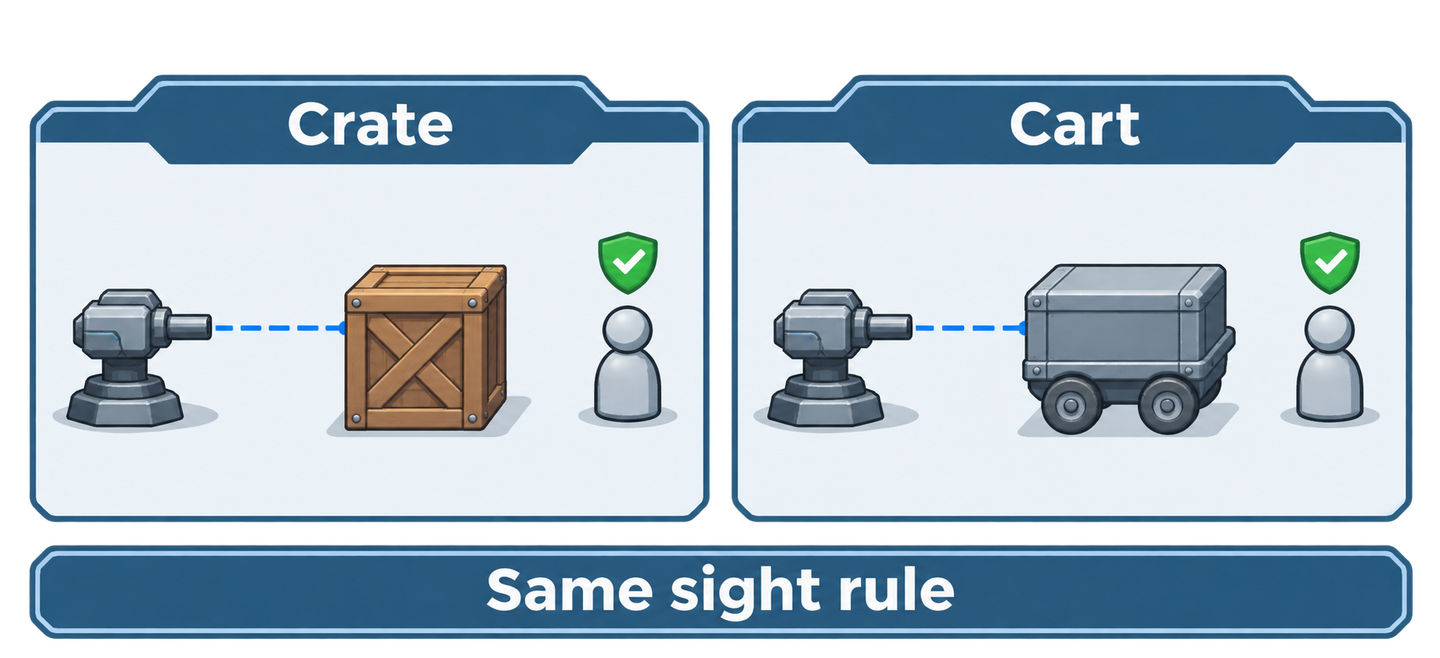
Let the cart block the same sight line
A movable prop becomes a useful tool when its visible properties predict what it can interrupt. Check that expectation before adding more special interactions.
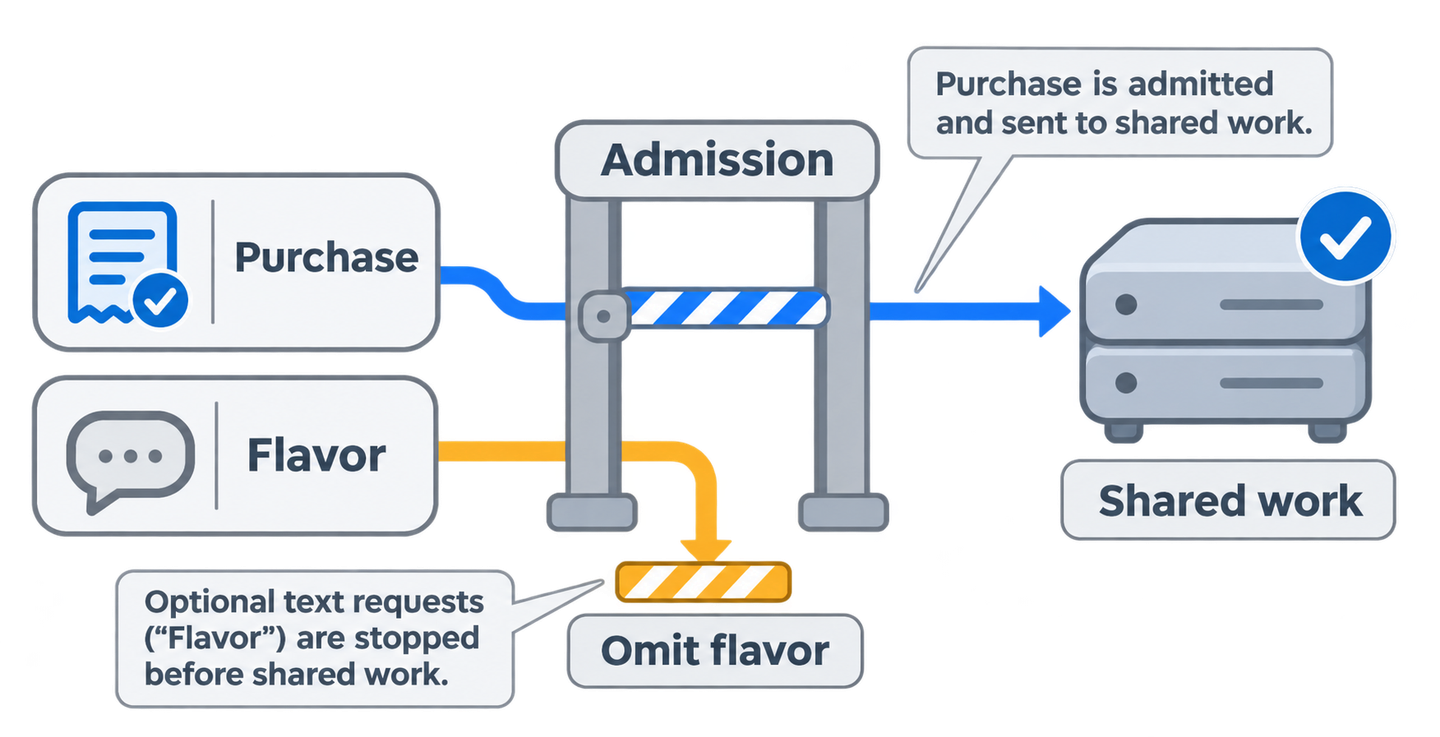
Shed optional generation before the committed action
When generated flavor and a committed player action share a dependency, define which work may be dropped and carry that decision through the service chain.
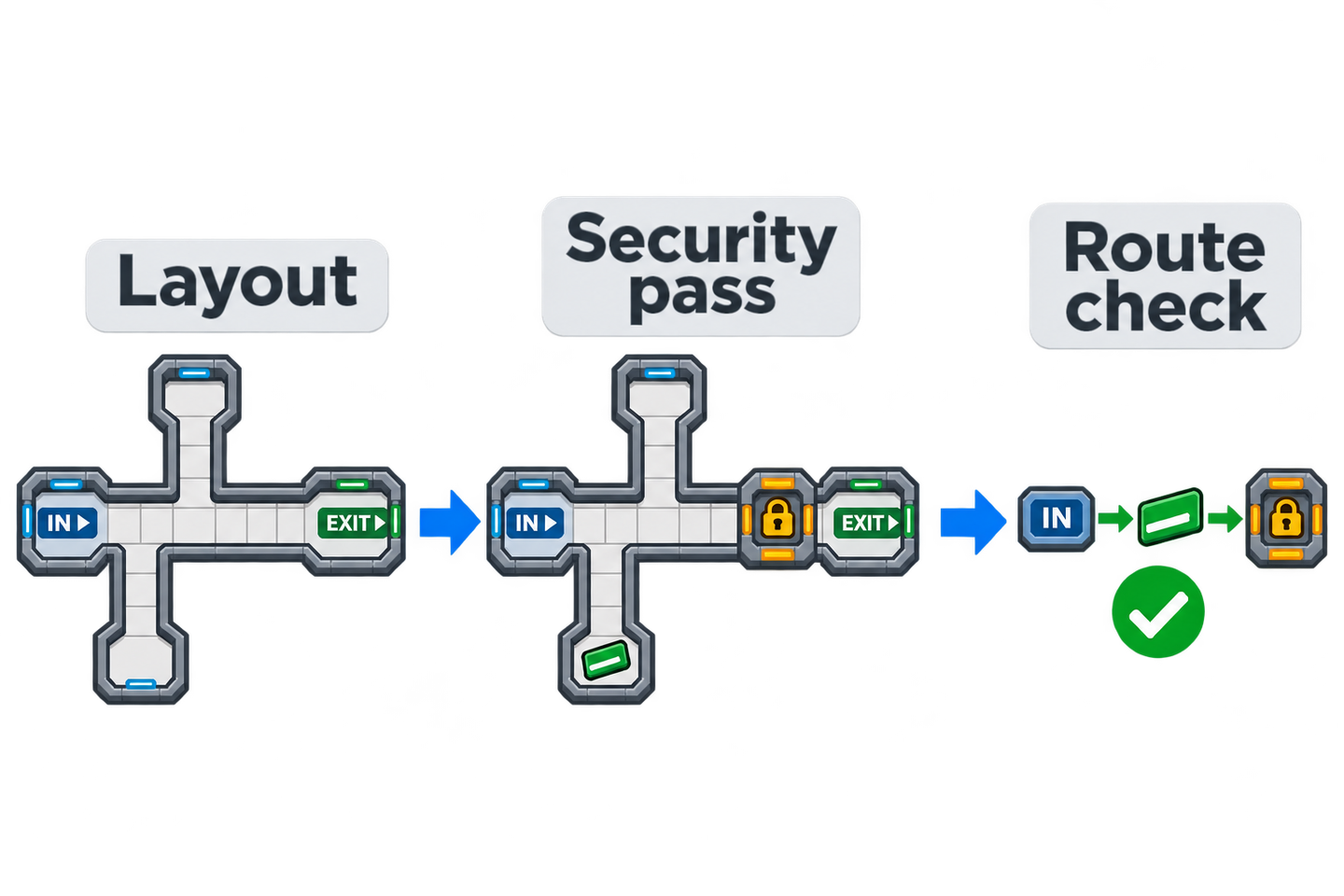
Place the key after the branches exist
A second generation pass can place security around routes the map actually contains. Reachability still leaves a design question about the choices those routes offer.
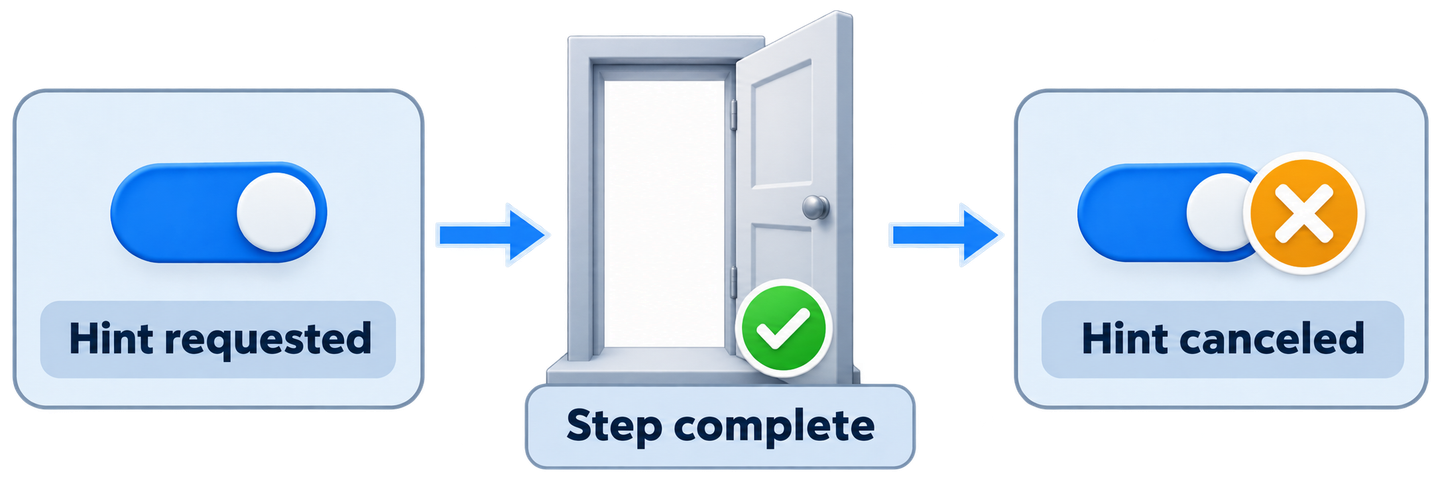
Cancel a queued hint when the puzzle changes
A hint can be relevant when requested and obsolete when delivered. Check the player’s current obstacle before displaying a delayed answer.
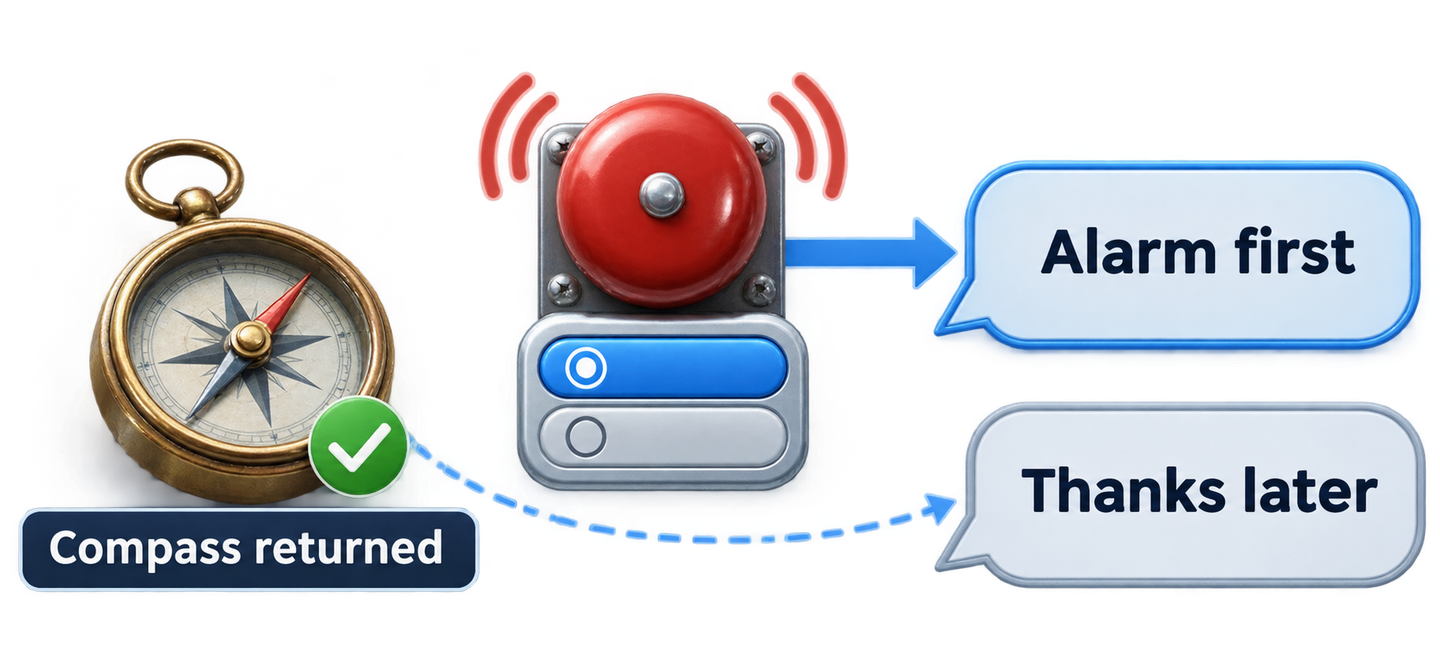
Two true memories can compete for one reply
A character may have several valid things to remember. Decide which one deserves the next line without erasing the rest.
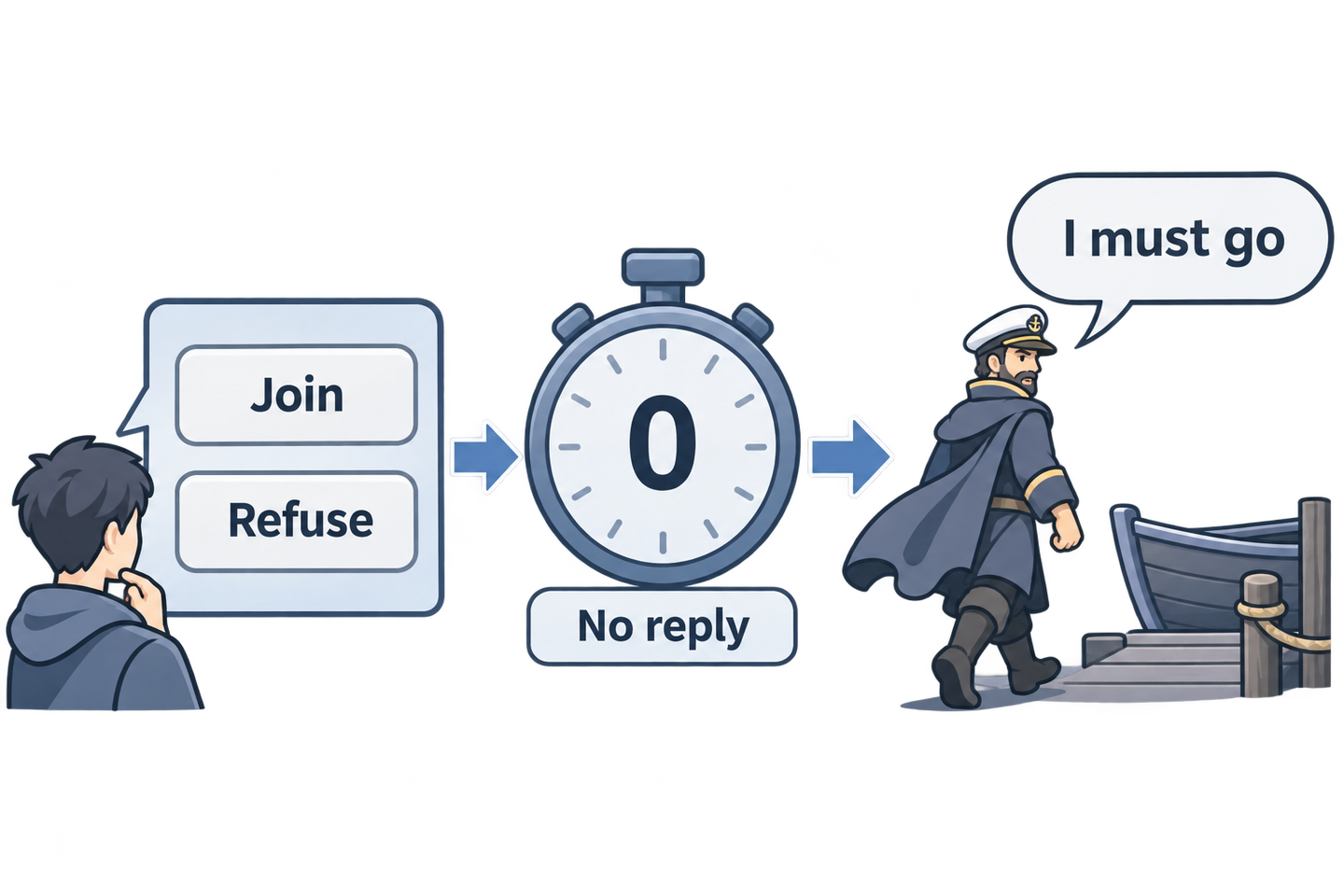
A dialogue timeout should say what silence means
When a dialogue timer expires, the game may turn unfinished reading into a social act. Define that act before using a countdown to add pressure.
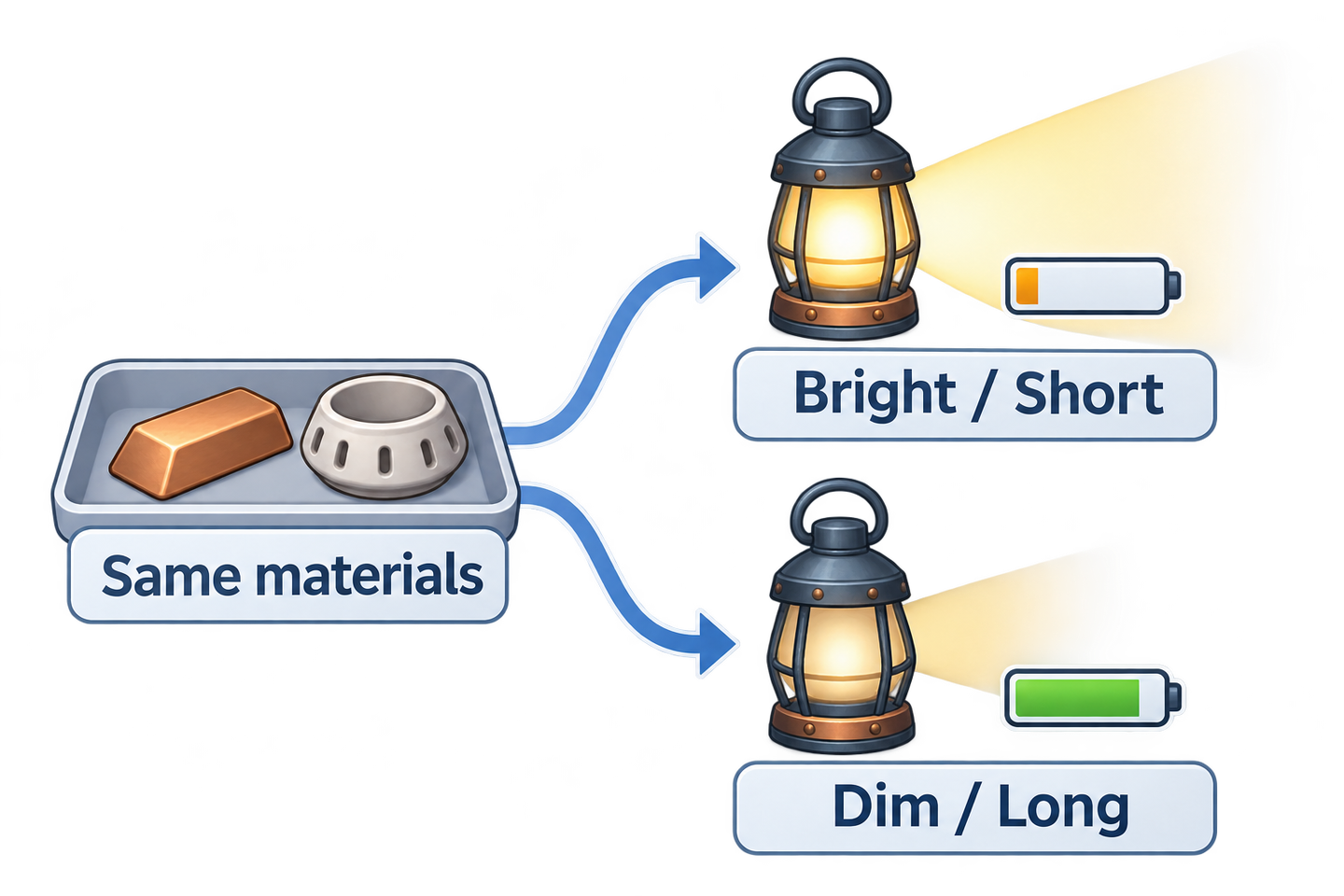
Give crafting a decision after the ingredients
Choosing a recipe can be a meaningful decision. Before adding a crafting minigame, identify what the player could still change once the materials reach the bench.
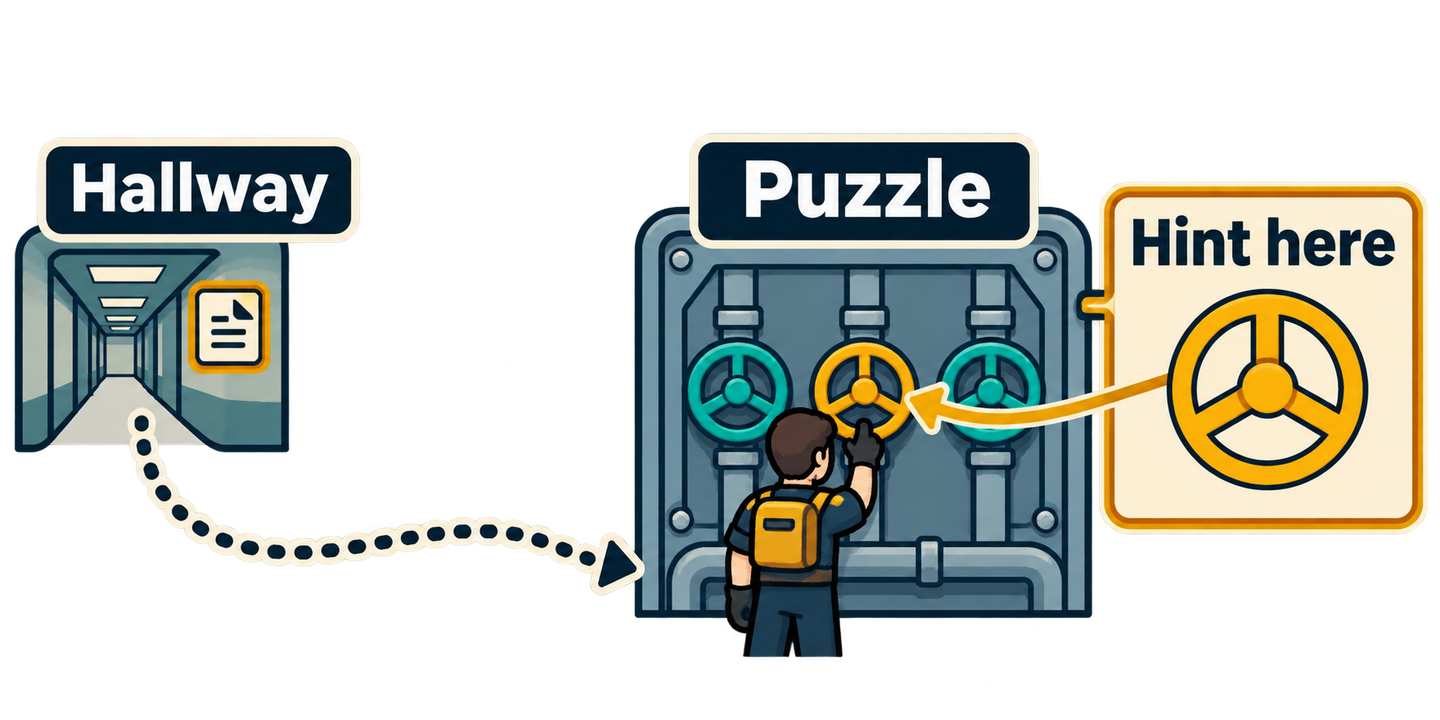
Deliver the hint beside the puzzle
A useful hint can arrive where nobody can use it. Check the trip from requesting help to applying it before adding another delivery device.
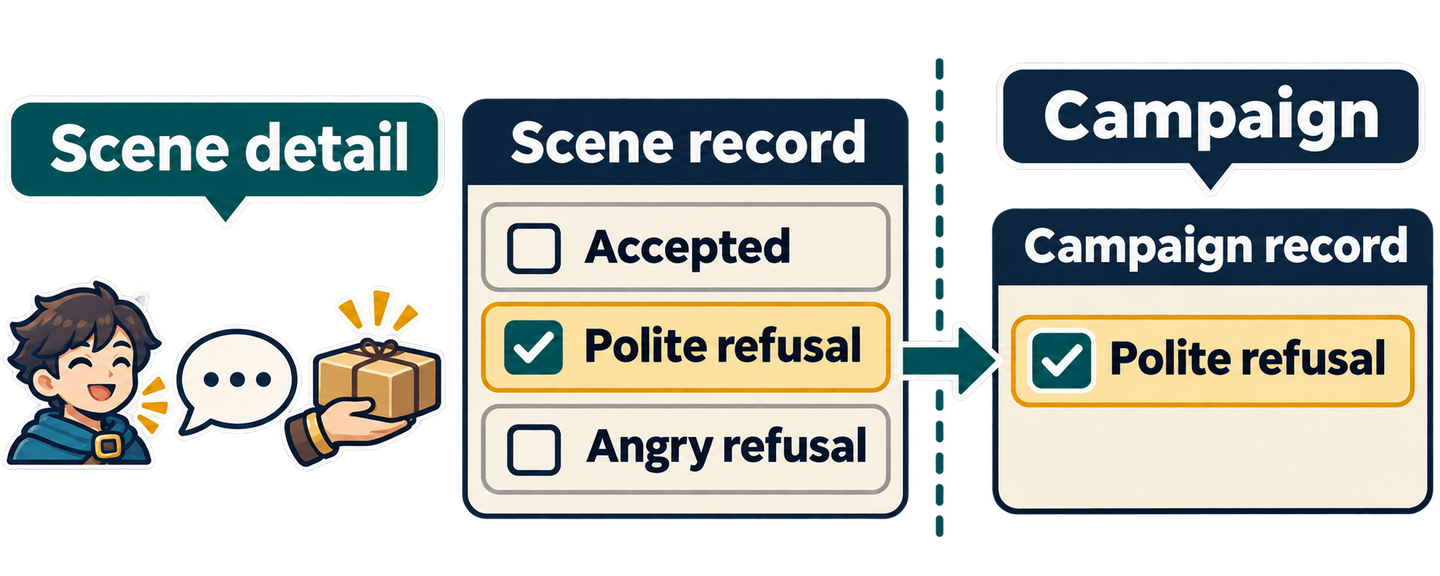
Let a scene end without carrying every gesture
A scene can track small reactions without giving each one permanent authority over a campaign. Decide what the scene commits before carrying its state forward.
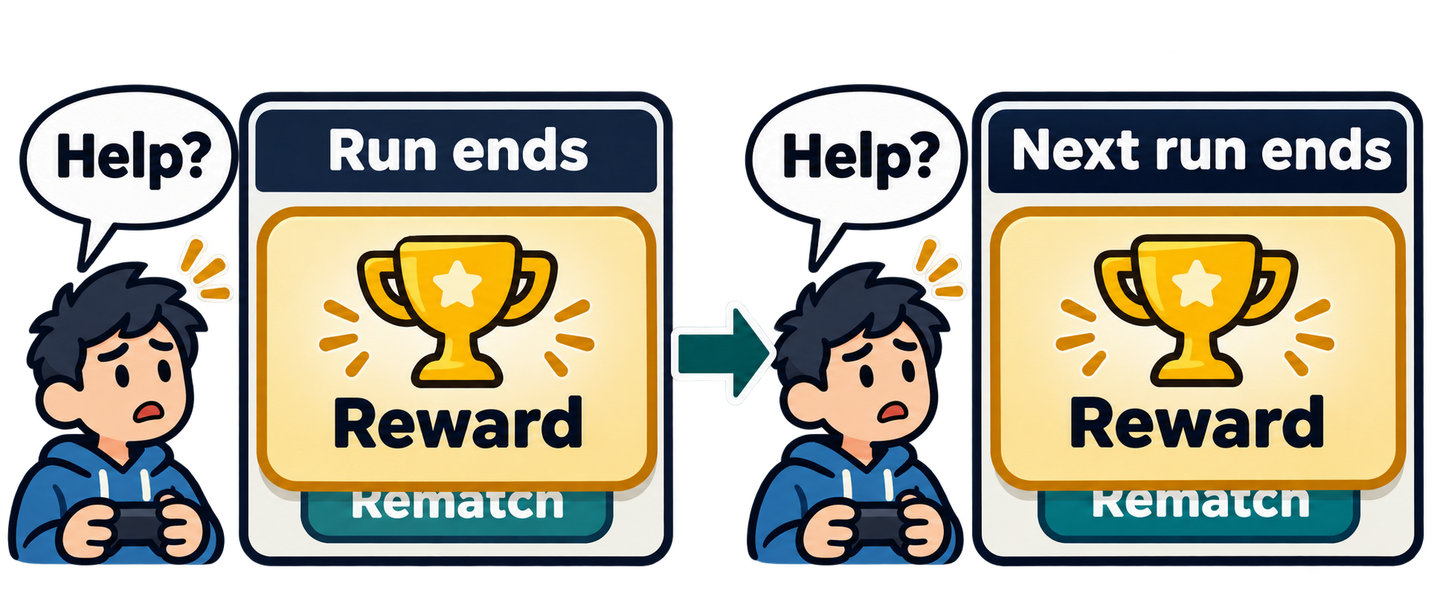
Prioritize the problem that blocks the next run
A recurring rematch barrier and a learnable icon problem call for different work. Describe their consequences before ranking a small playtest by participant counts.
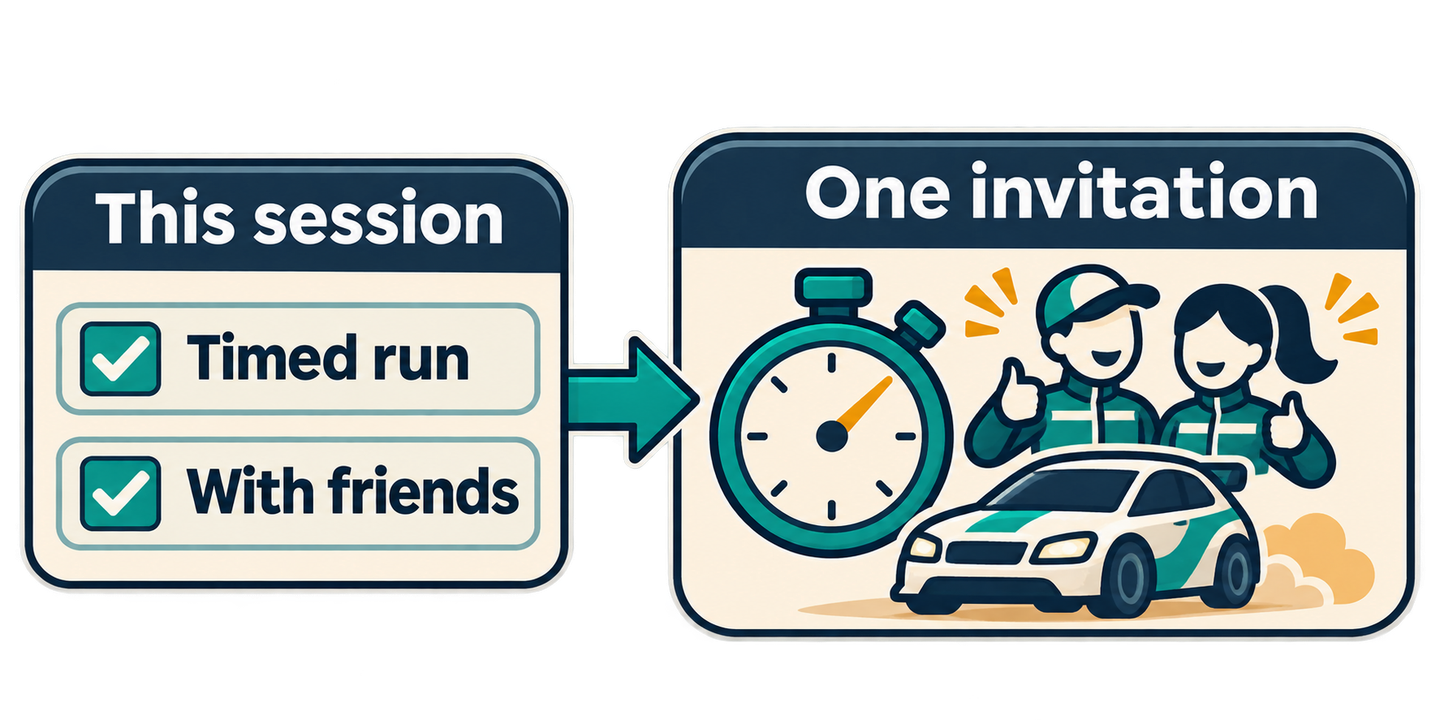
Let a session invitation include two goals
An interest in score does not cancel an interest in friends. Keep compatible session requests available before assigning players to exclusive categories.
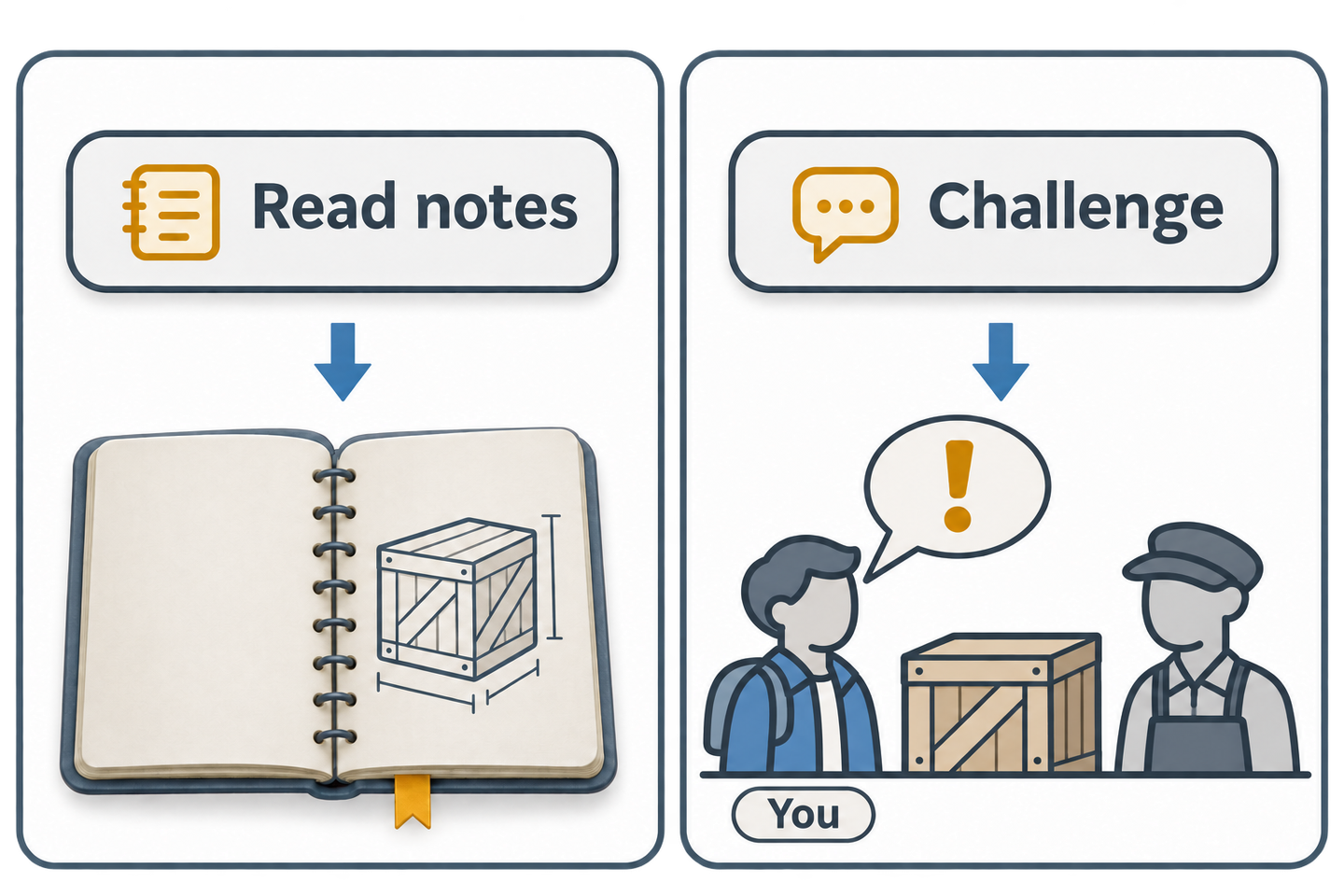
Tell the player what a dialogue choice does
A topic label can hide whether the player is reading background or making an accusation. Separate those actions when the scene depends on a deliberate commitment.
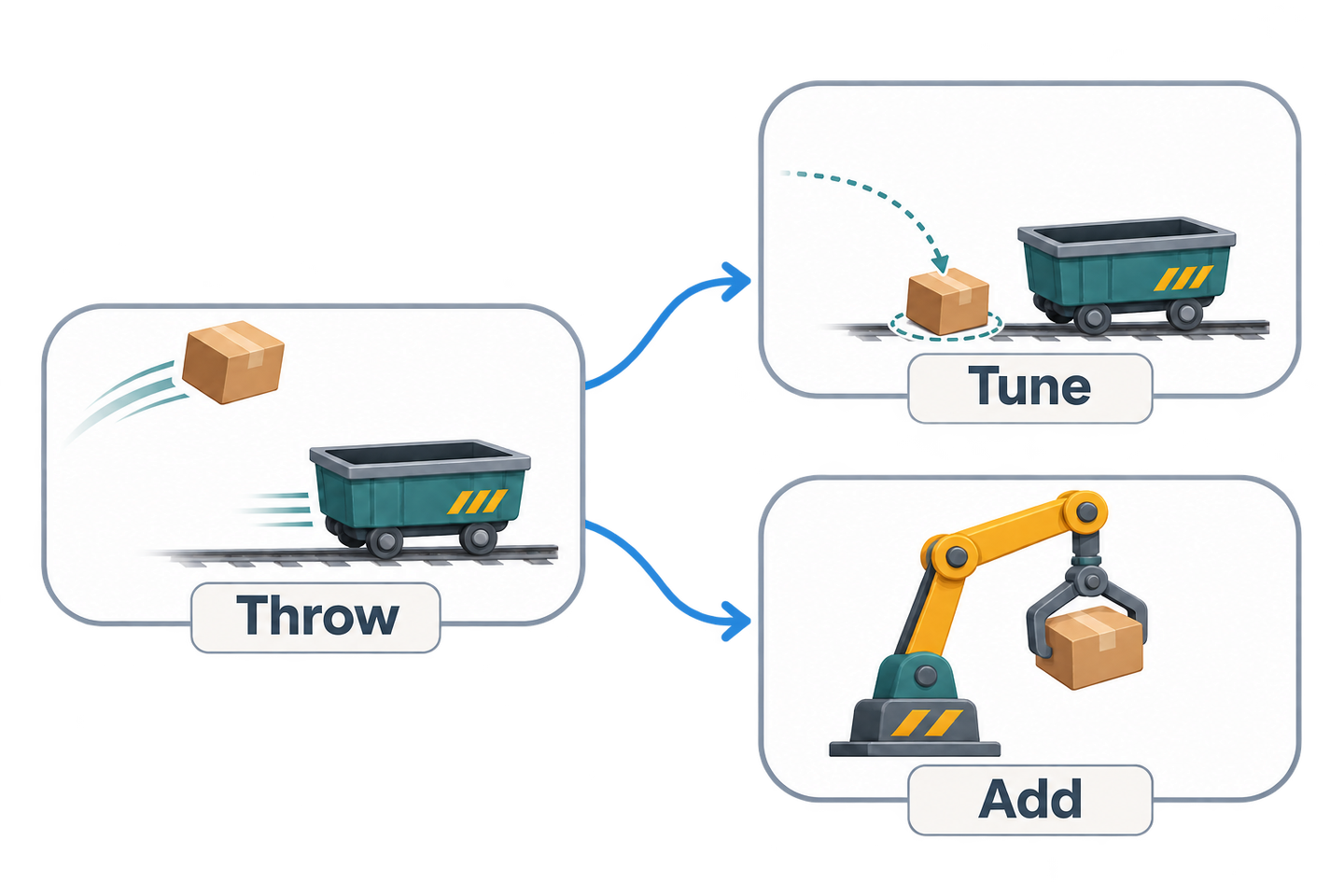
Leave time to tune the interaction
Before adding a second mechanic, identify what still prevents players from using the first one and reserve time to learn from a playable change.
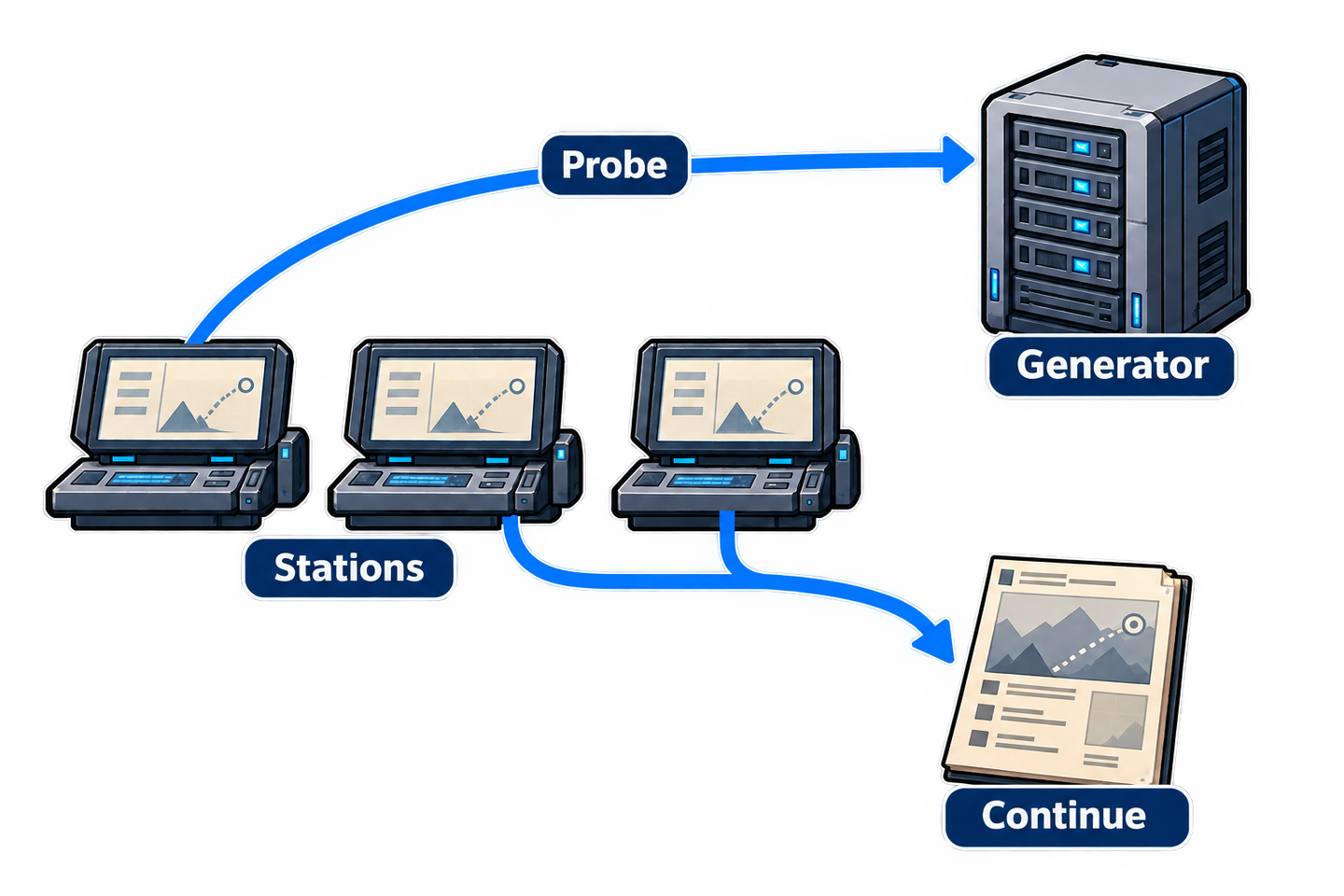
Reopen generation with a small trial
After repeated generation failures, admit a limited recovery trial while other encounters keep their supported route. A successful response still needs a game check.
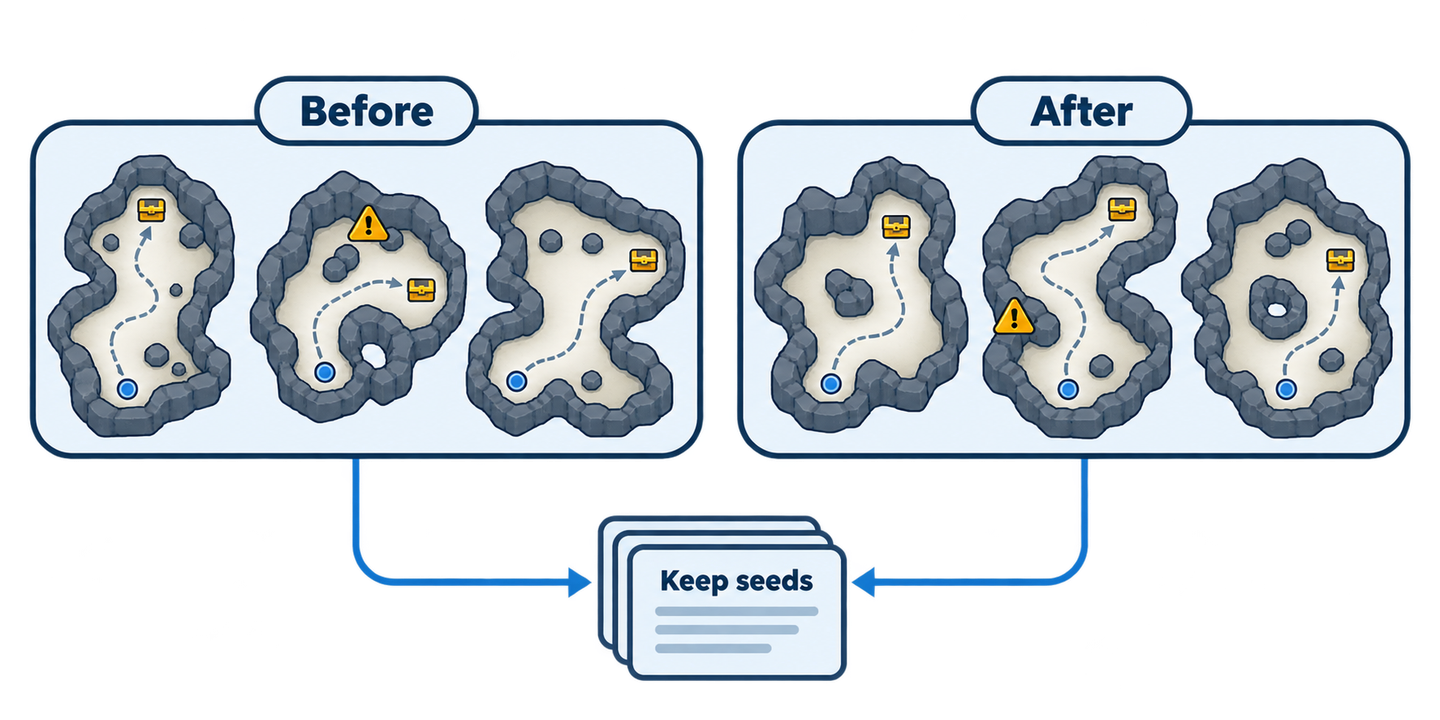
Sample the generator before tuning its best result
Keep ordinary outputs and rejected seeds visible when comparing a generator change, so a striking example does not stand in for the player’s likely experience.
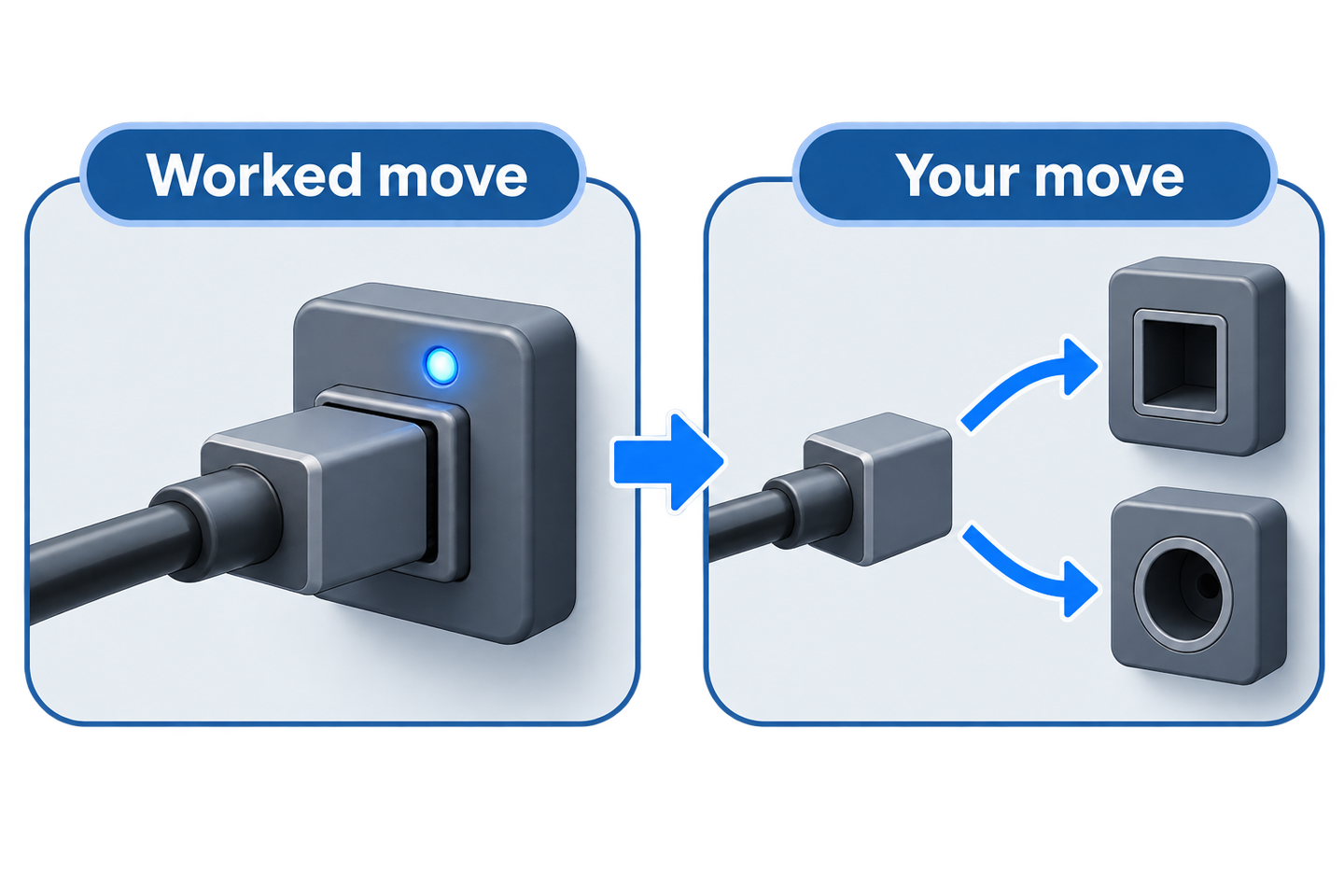
Show one worked move before the next decision
A tutorial example can explain a relation without completing the whole puzzle. Decide what the next player action should still require.
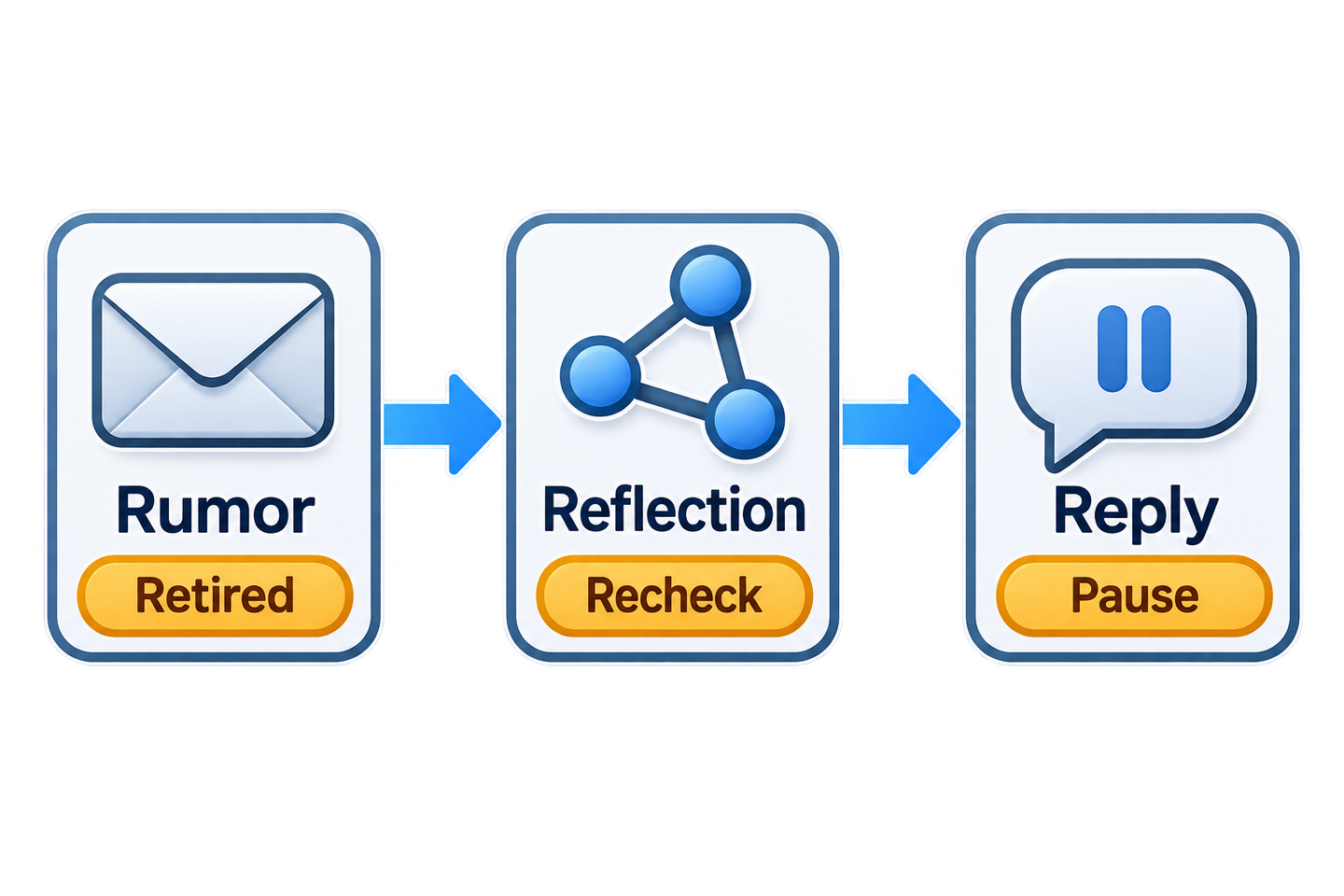
A forgotten event can survive in a reflection
When a game retires a character memory, trace the conclusions that still depend on it before promising that the character has forgotten.
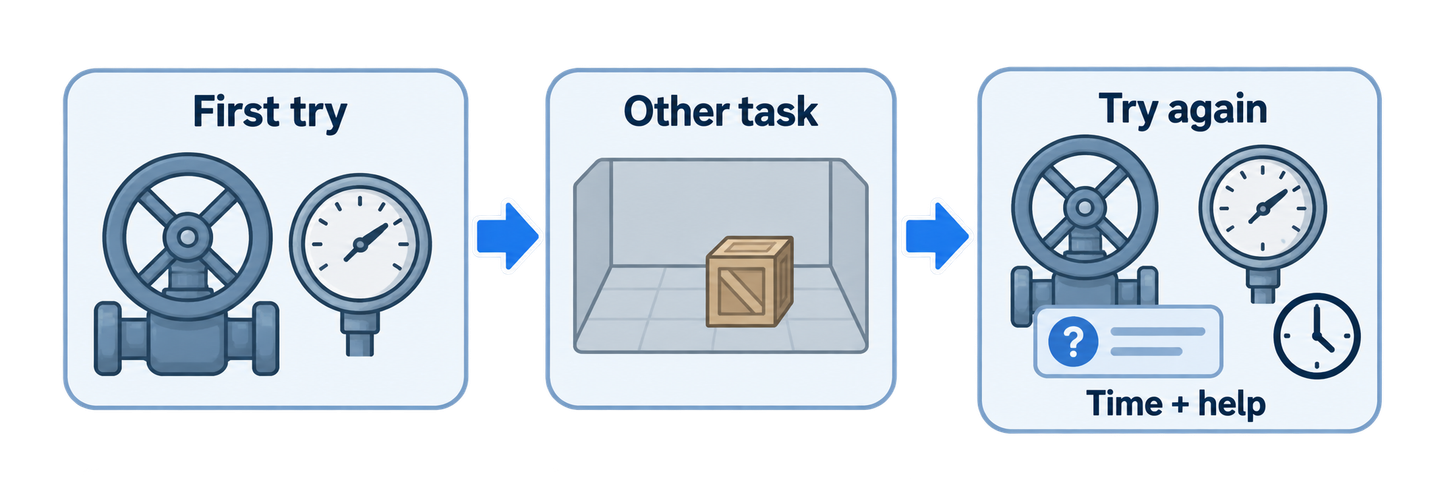
A practice gap spends the player’s time
A longer gap can change retrieval difficulty, correction work and the amount of play available. Choose a practice schedule against the game’s actual learning goal.
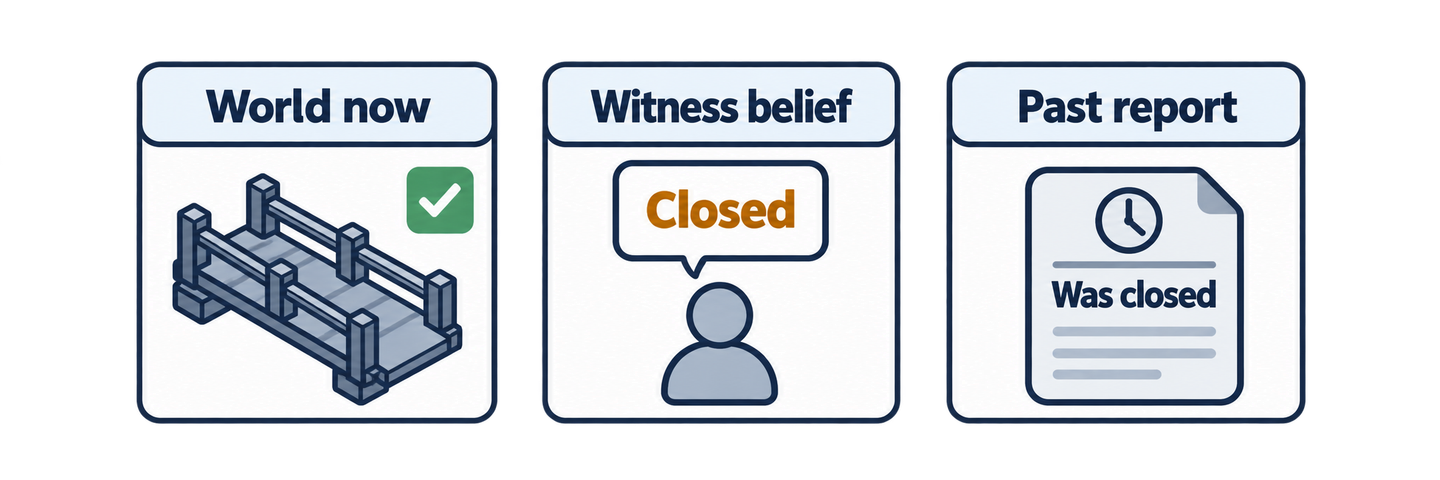
A repaired bridge can leave an outdated witness
Keep the bridge’s current condition separate from an earlier report and from what a particular character has learned.
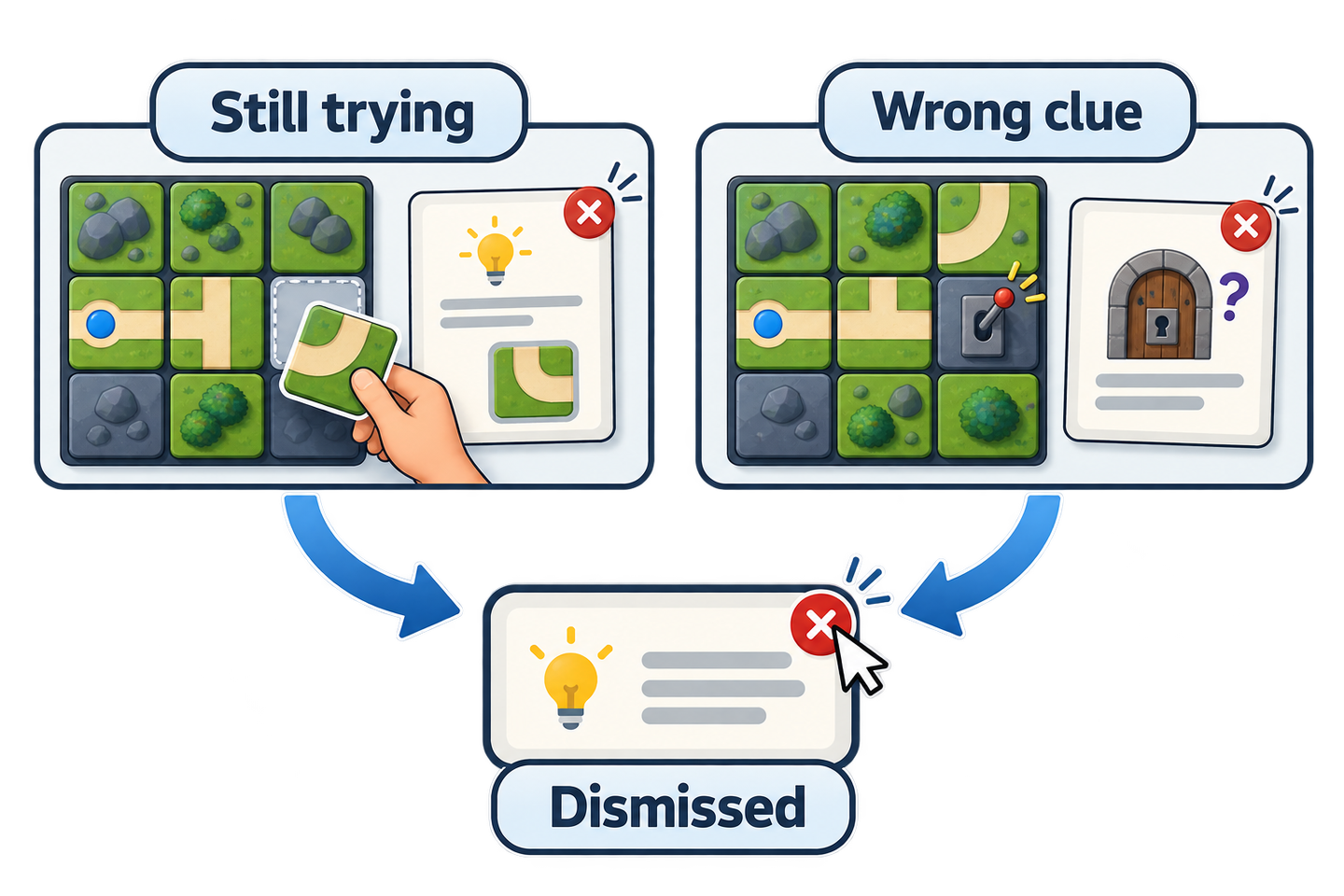
A dismissed hint does not explain itself
Closing help records an action. To decide what to change, investigate whether the player wanted more time, different information or a clearer control.
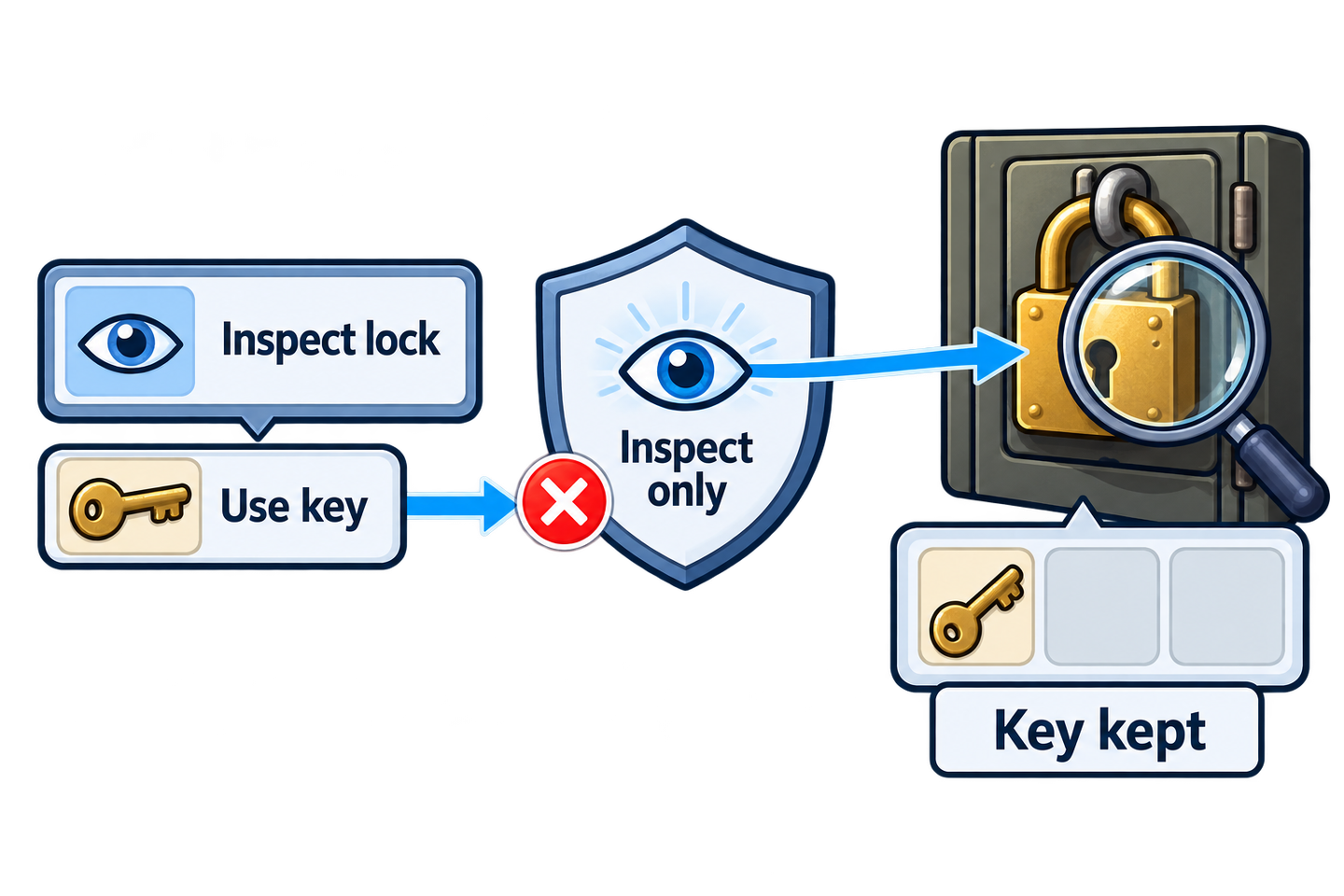
A generated command still needs permission
An NPC can produce a well-formed action that the player never authorized. Keep permission checks where the game changes state.
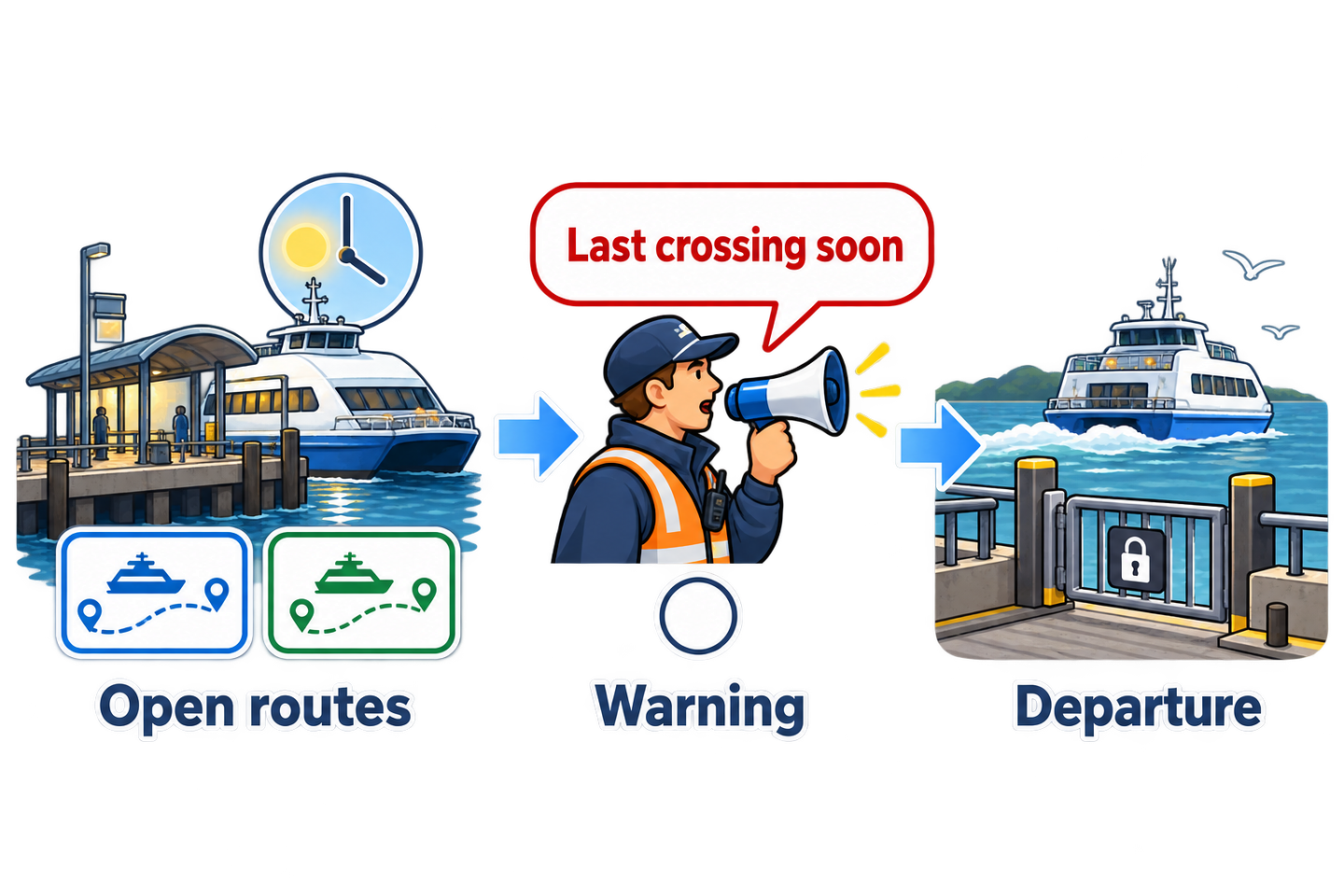
Let the player see a route is about to close
A warning can make an approaching story consequence understandable while leaving the player free to choose.
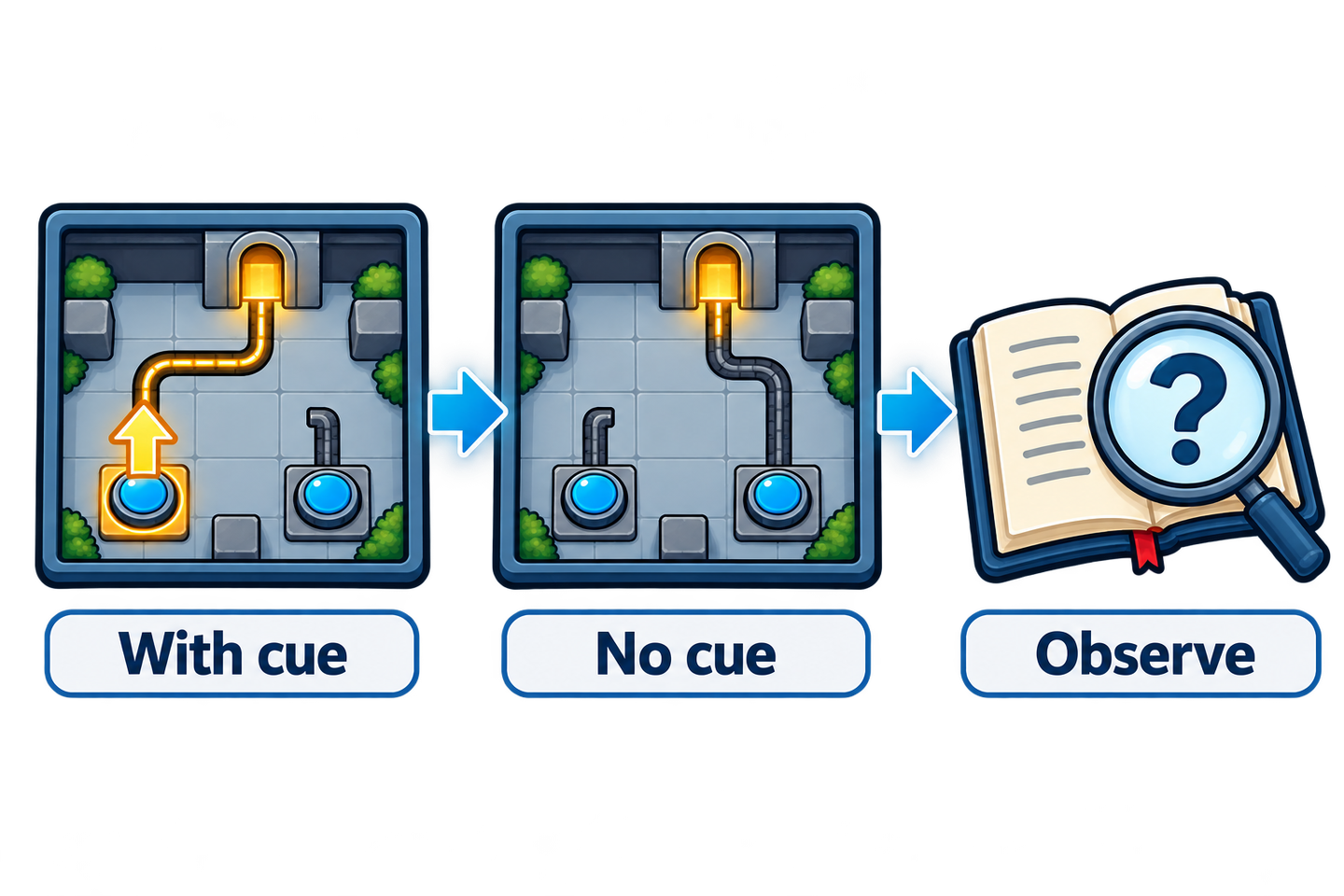
Try the task again after the cue disappears
When a tutorial promises independent performance, reserve a suitable attempt without the instructional cue before treating guided success as learning.
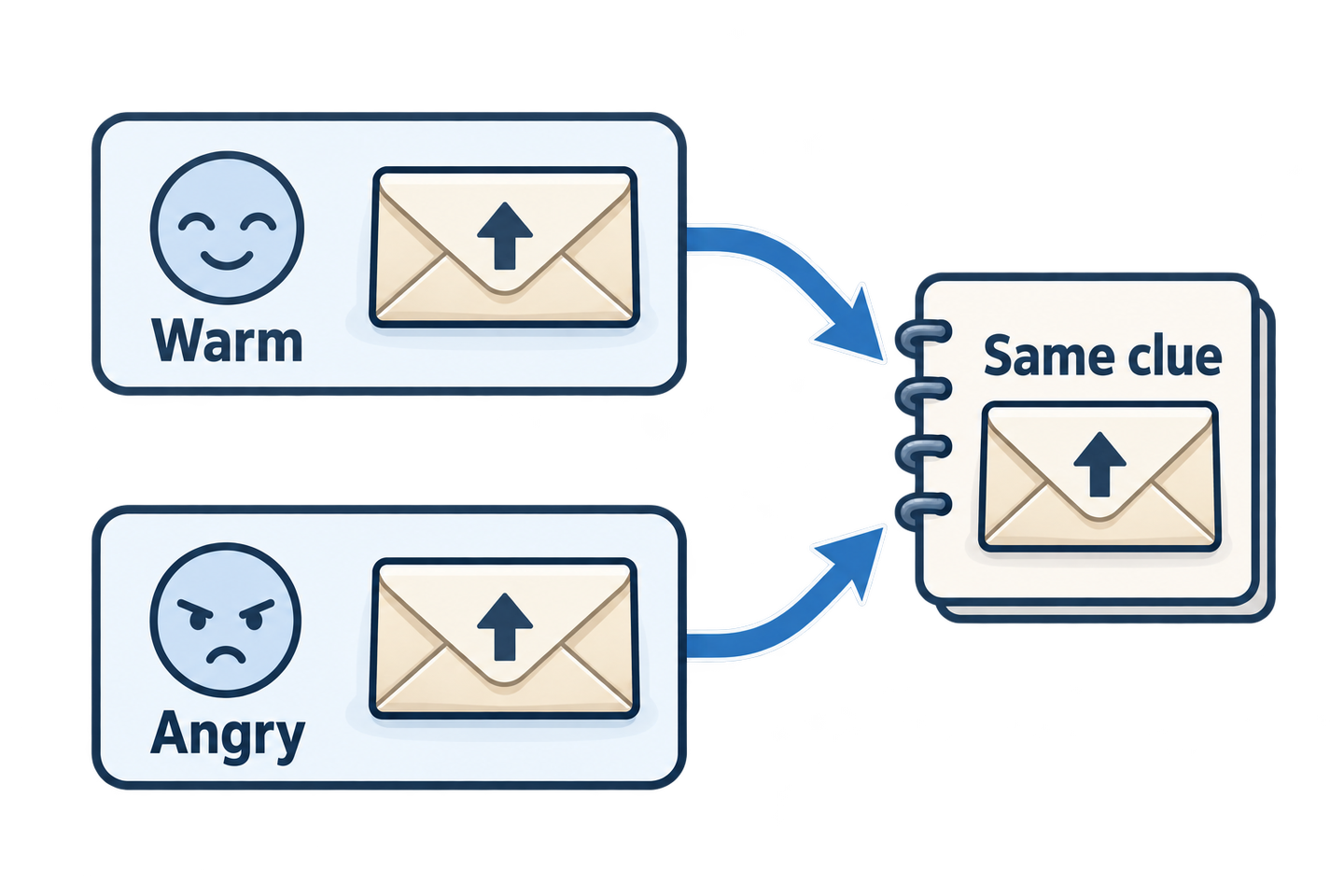
An angry witness can still give the clue
Decide whether a character’s mood changes the response or controls access to evidence, then author the conversation around that promise.
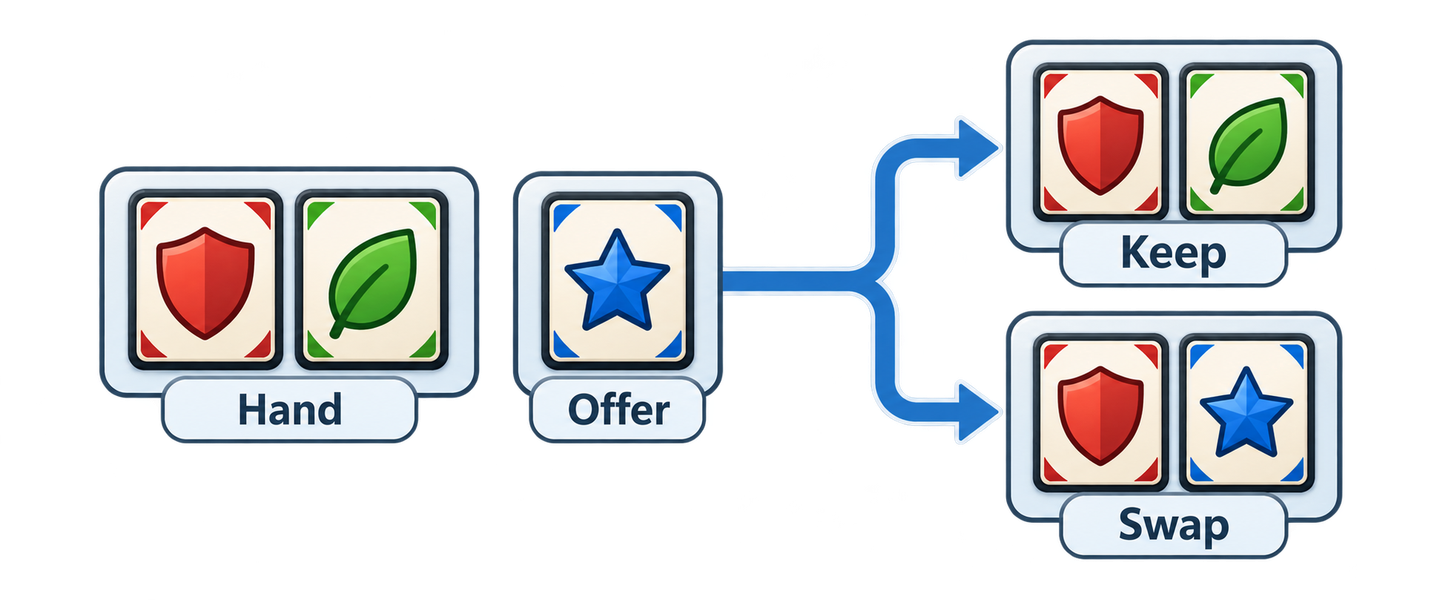
Show the card before asking for a swap
An optional replacement can preserve a card reward’s possible outcomes while changing what the player must decide.
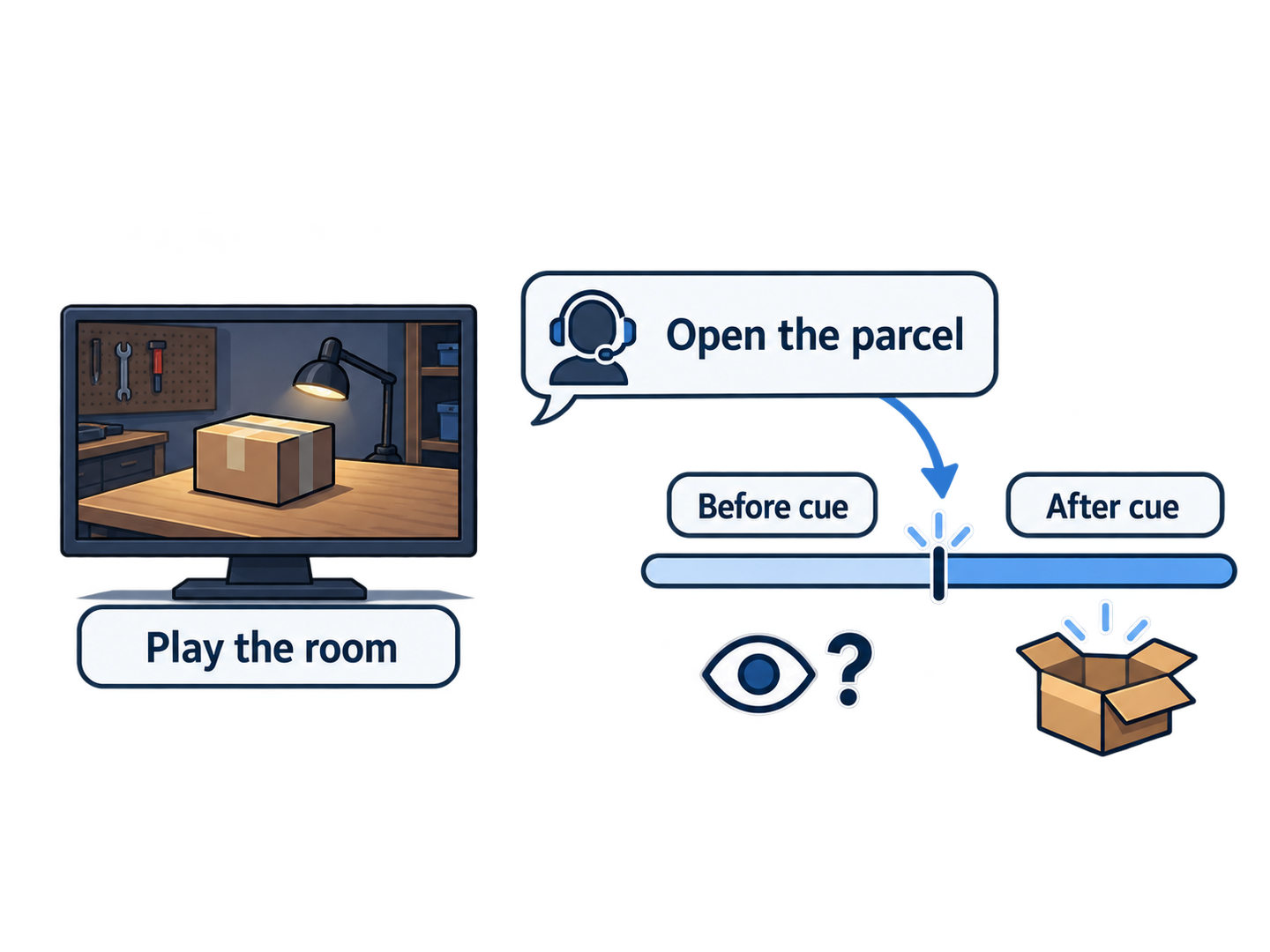
A playtest prompt can reveal the answer
Mark what a researcher tells the player before interpreting discovery, understanding or completion.
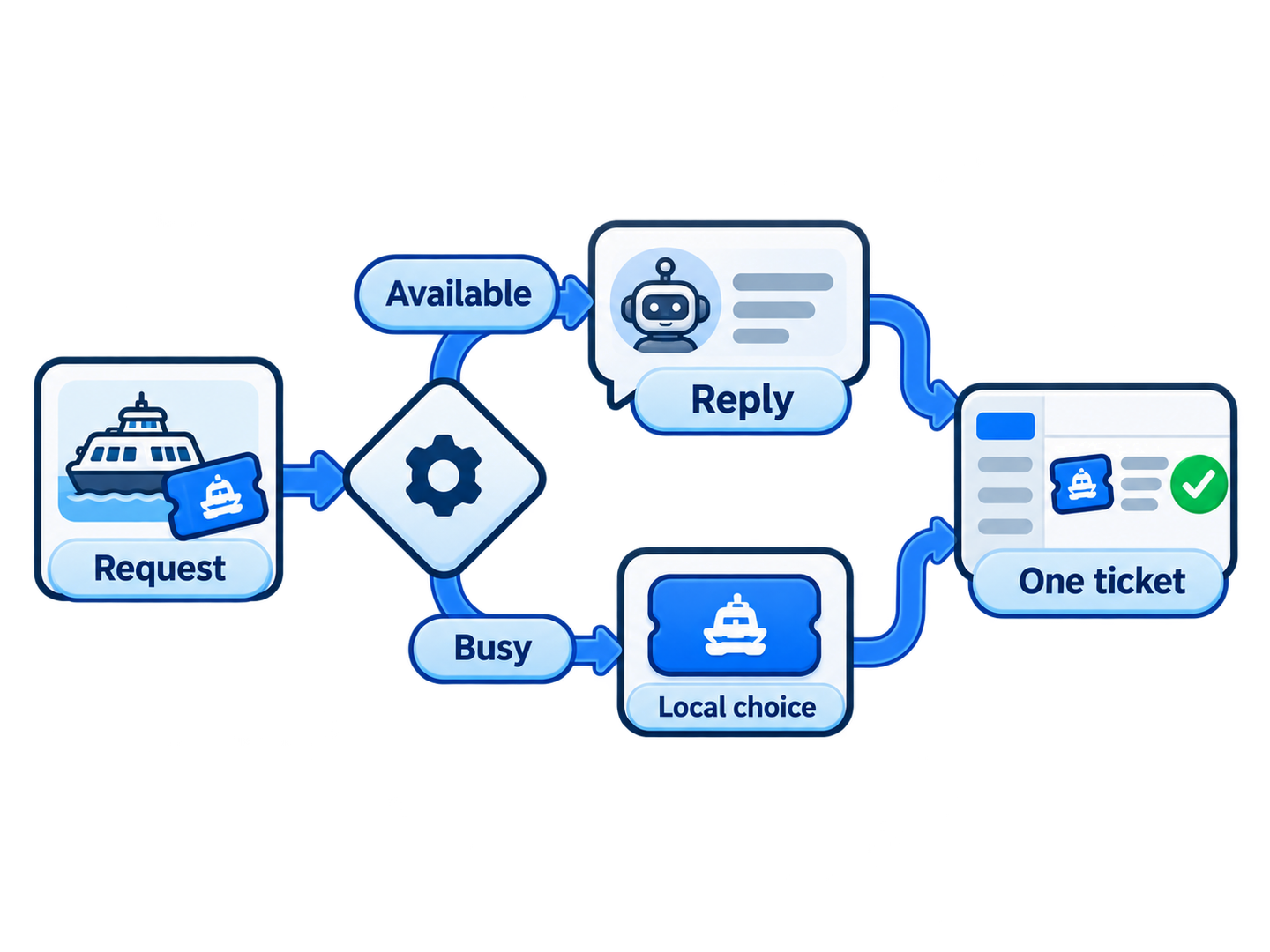
Keep a playable route when generation is busy
Choose which part of an encounter can lose generative variety, and pay for the action that must remain available.
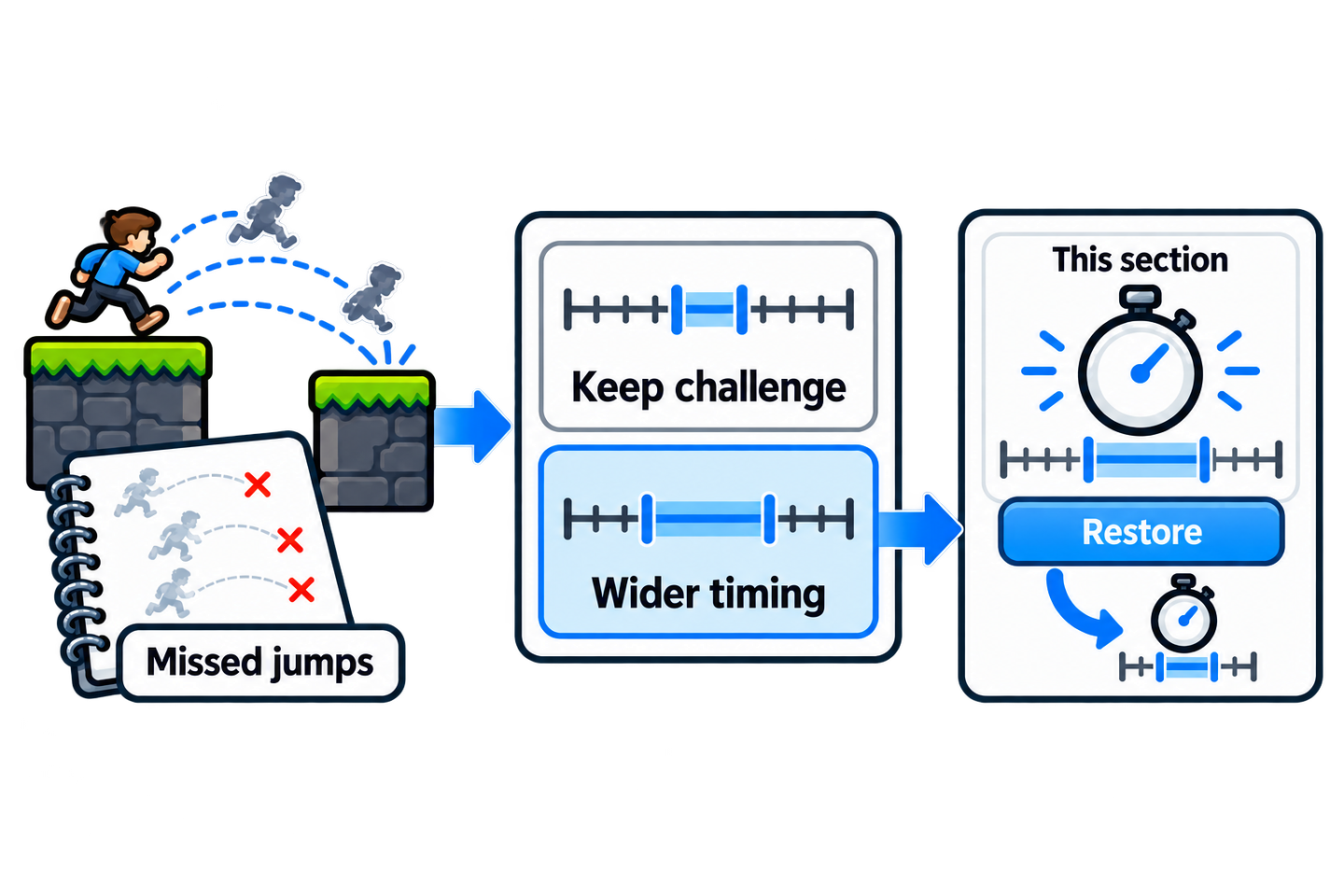
A failed jump does not choose an easier game
A missed jump records an outcome. Before a model changes the challenge, decide what evidence gives it authority to make that change.
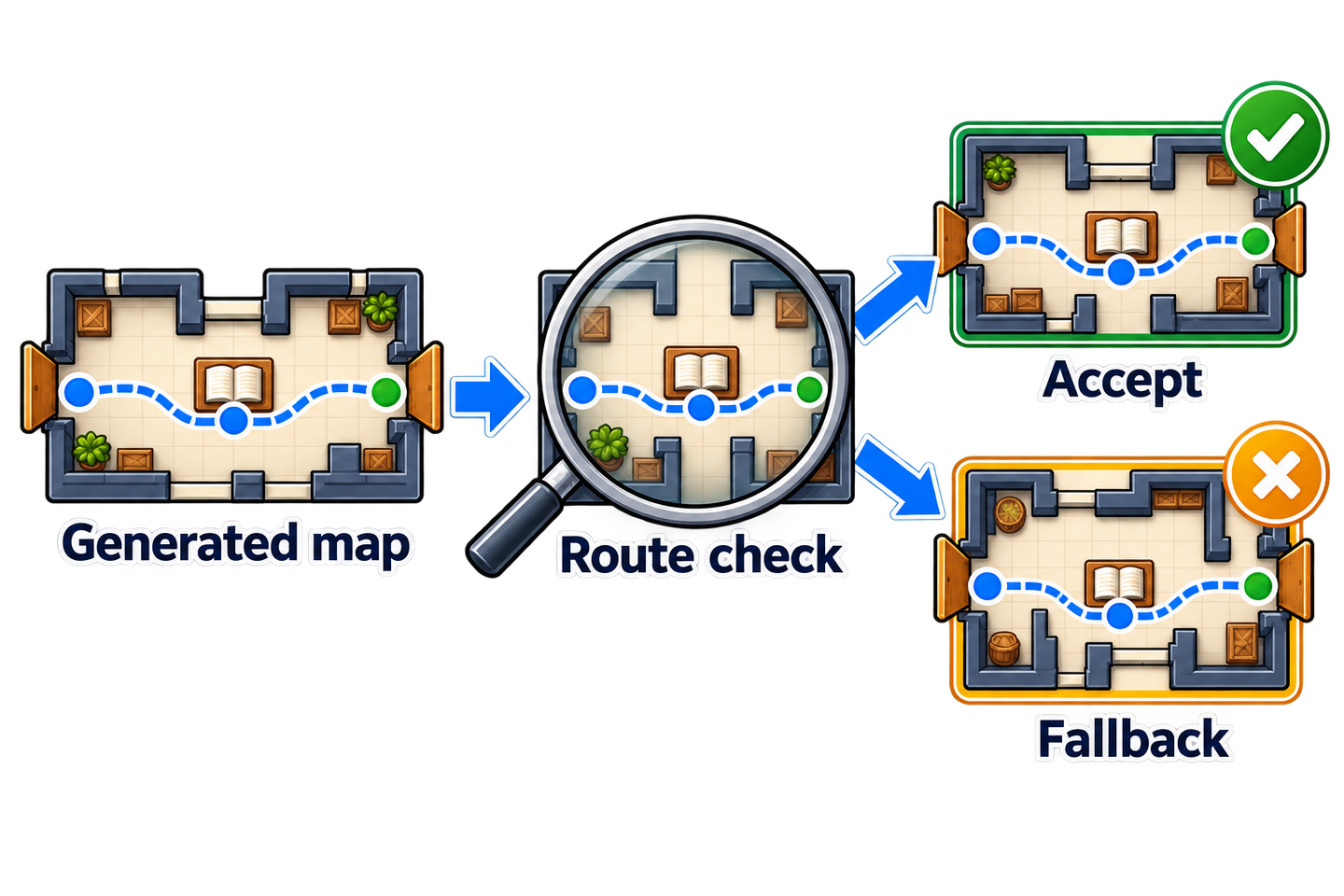
A generated map needs a route test
Define the journey a generated map must support, then check that journey before spending time dressing its rooms.
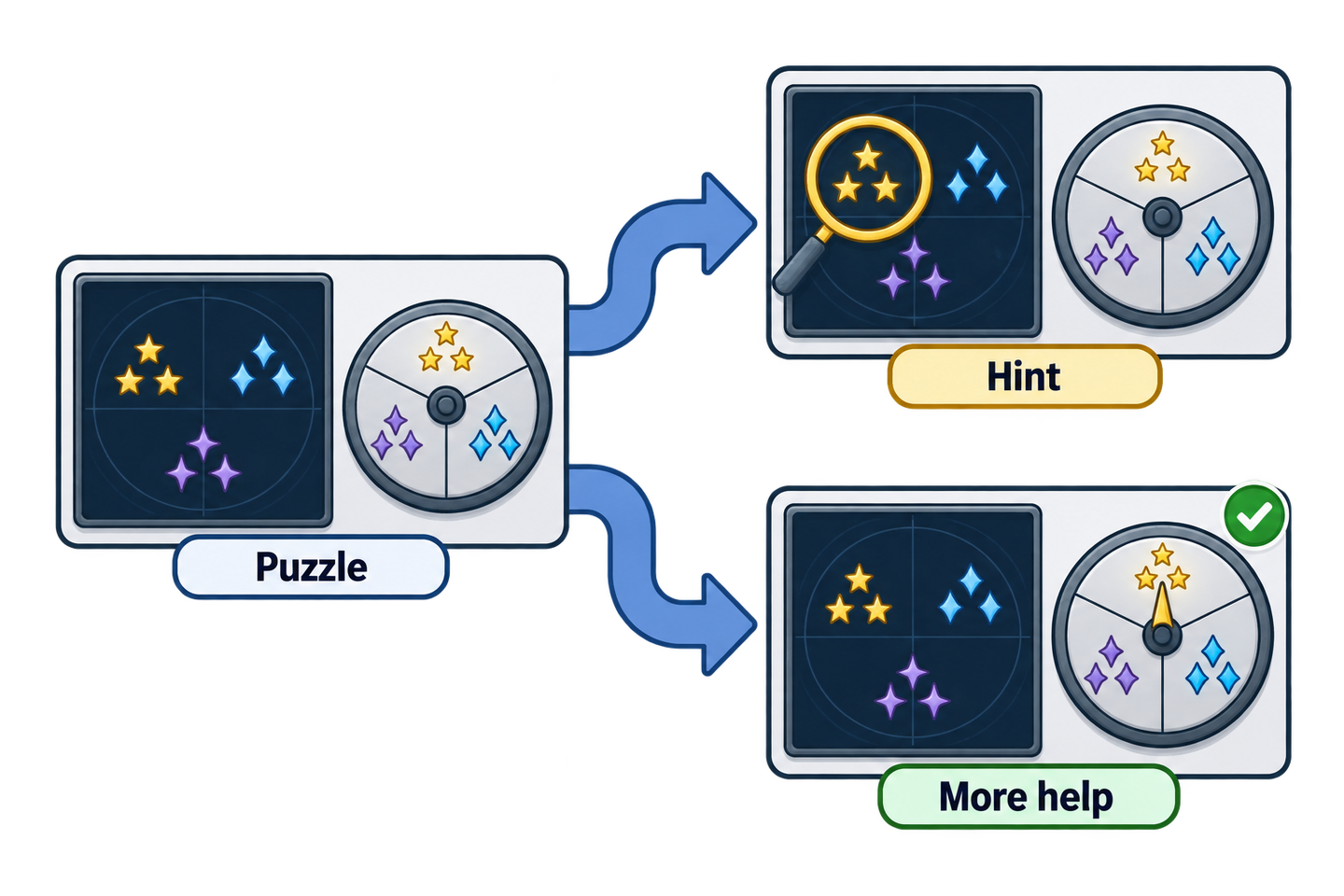
A hint should leave a usable next move
Choose what assistance reveals by the work the player still wants to do, then make stronger help easy to request.
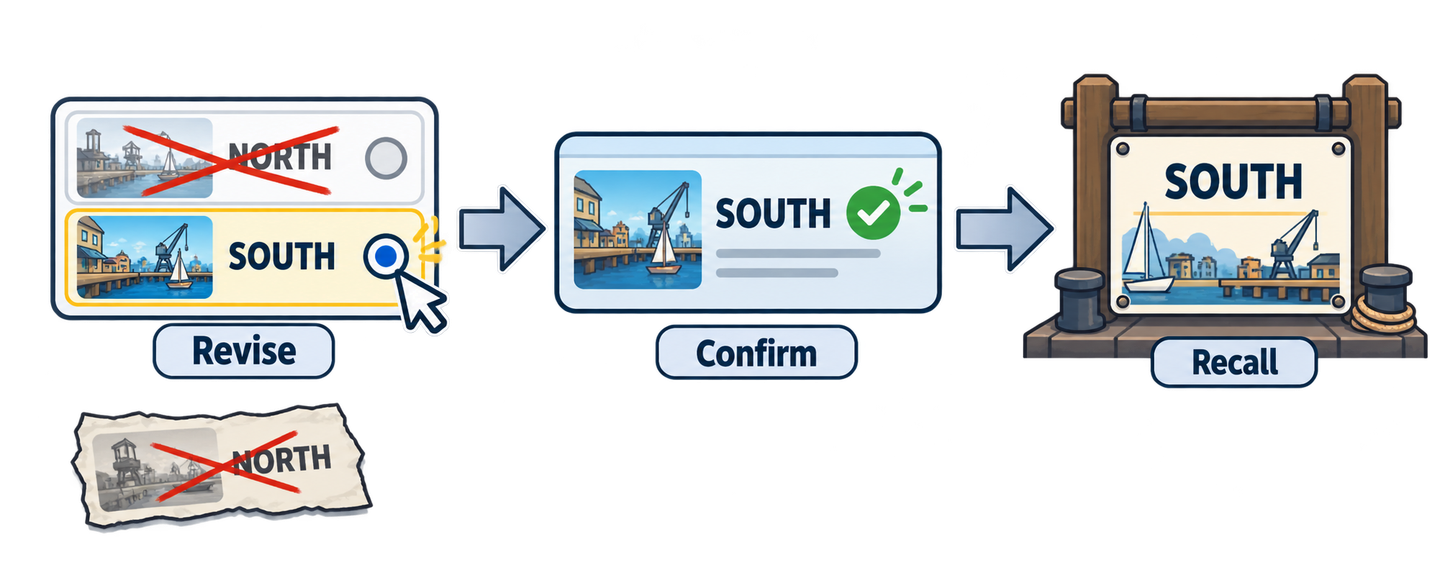
Remember the choice the player confirmed
A later callback should read the player’s current commitment, with clear rules for revising it and preserving events that already happened.
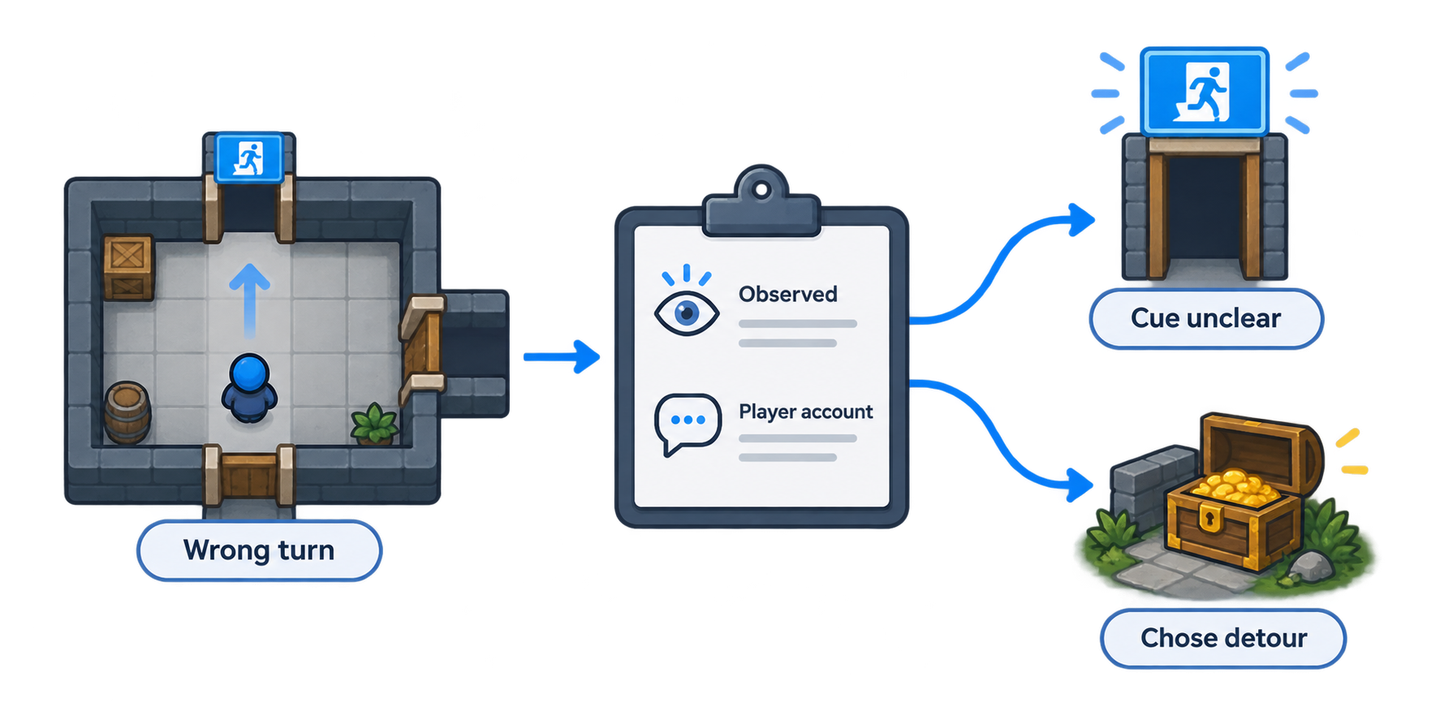
A wrong turn leaves more than one design question
Plan what you need to observe before changing a navigation cue: the player may have missed it, misunderstood it, or chosen another goal.
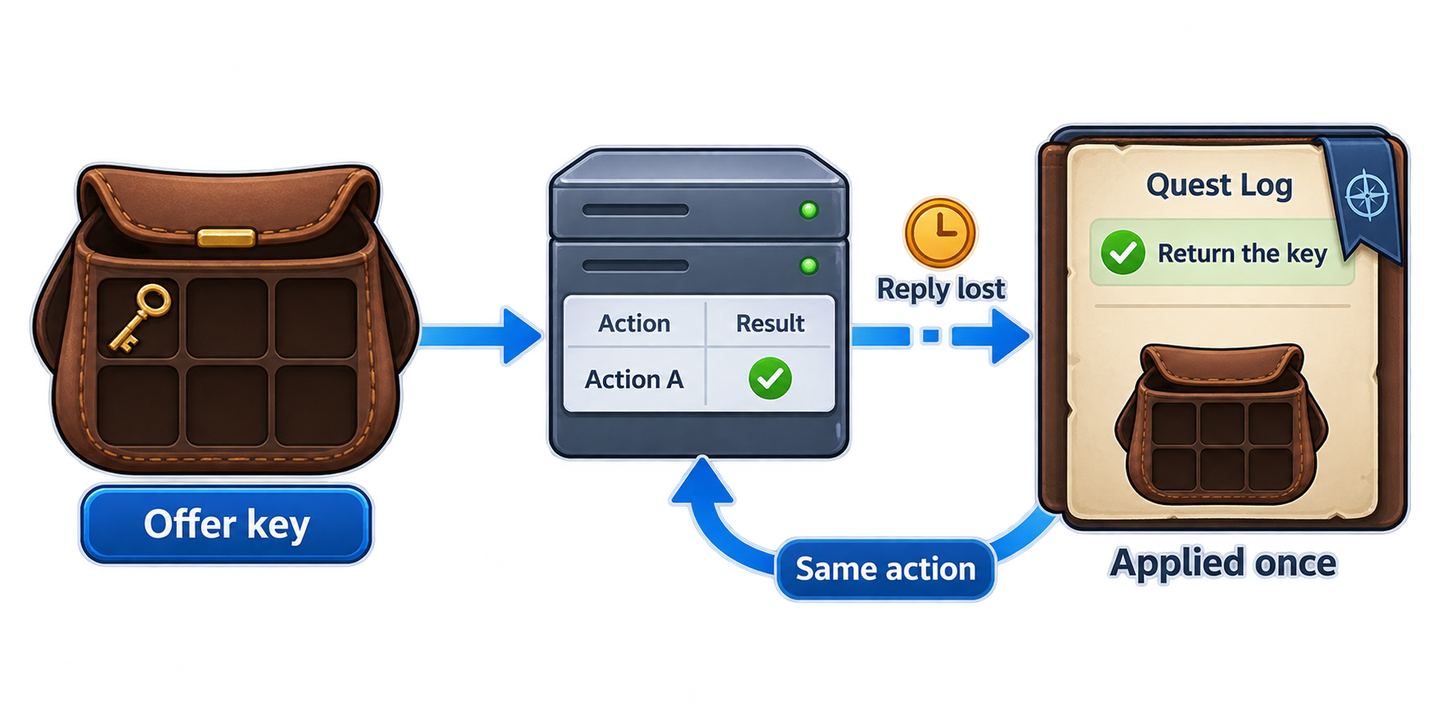
A timed-out quest action may already have happened
Before retrying an inventory-changing request, give the player a way to recover its recorded outcome without spending the item twice.
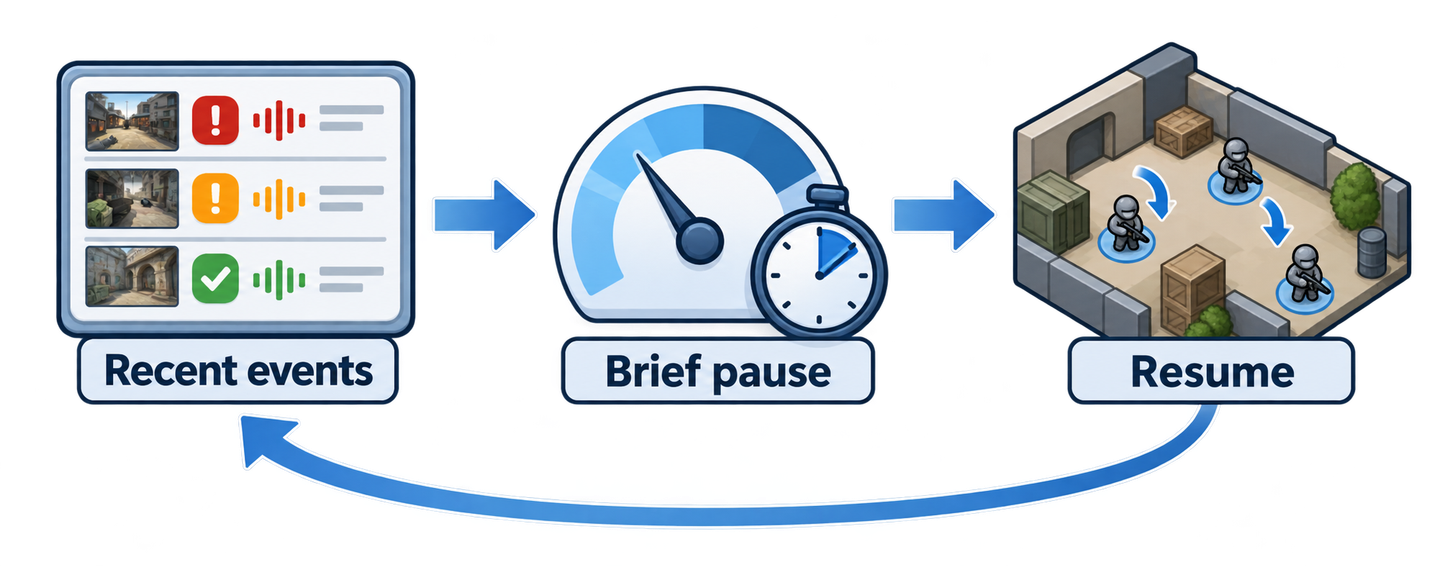
Let a temporary player signal change a temporary decision
Left 4 Dead’s pacing account offers a narrow use for a rough estimate: regulate the next encounter without claiming to know a lasting preference.
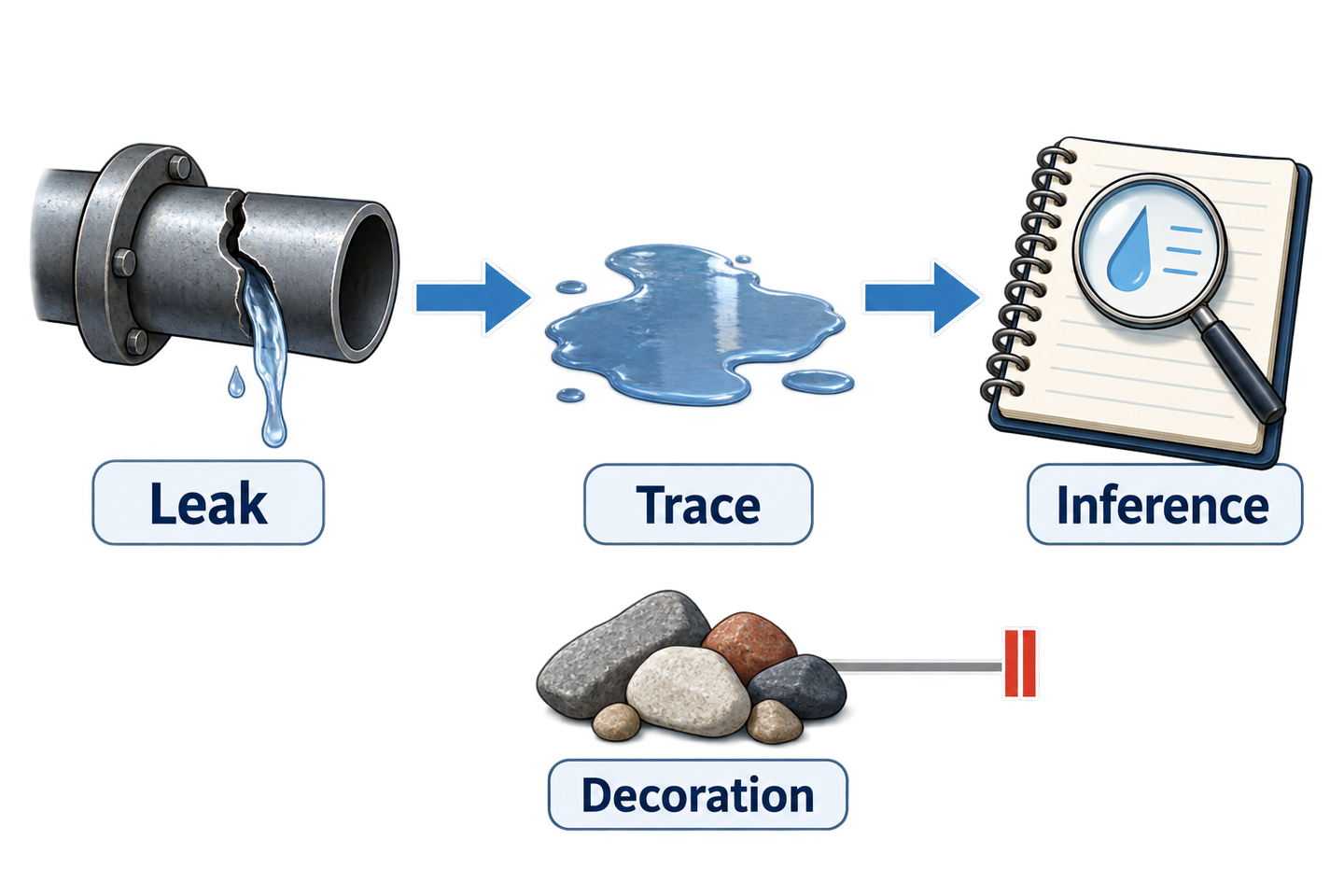
Give generated clues a cause before grading the answer
A mystery can leave room for interpretation while keeping its scored evidence tied to what the generator actually simulated.
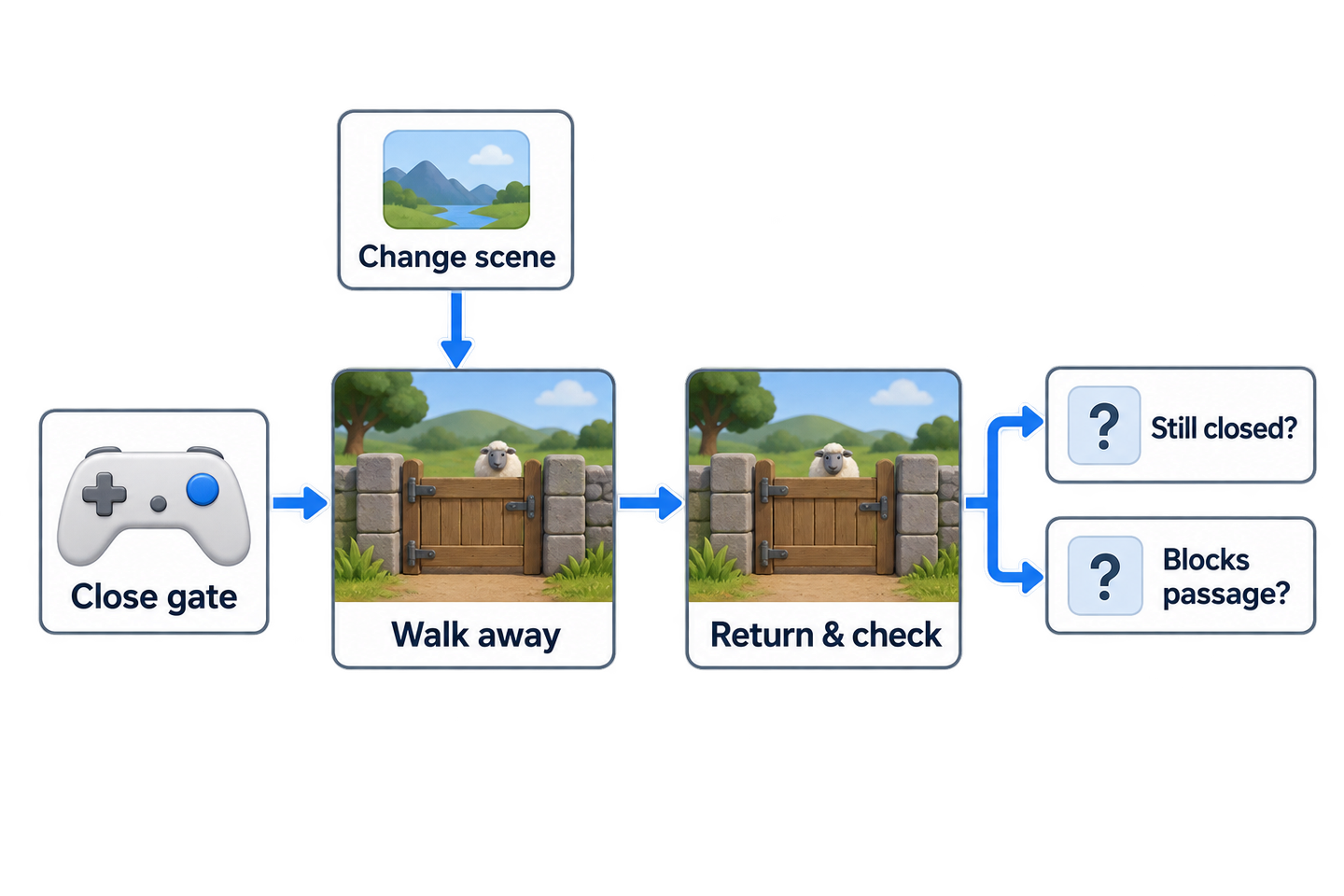
What to check when a generated world becomes interactive
Read frame rate, available actions and persistent consequences as separate claims.
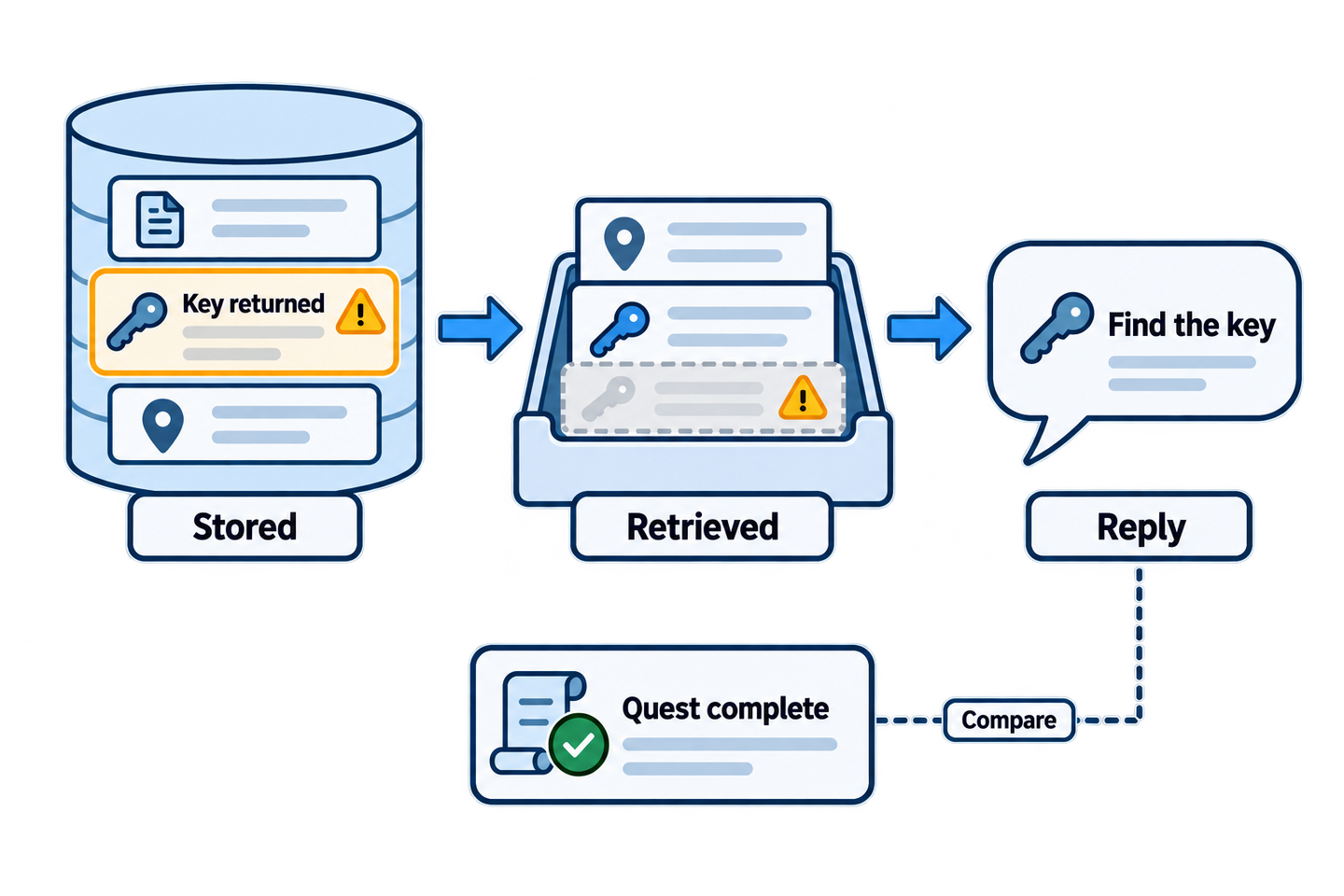
Why an NPC can remember an event and still answer incorrectly
Trace which memories reach the reply before adding more conversation history.
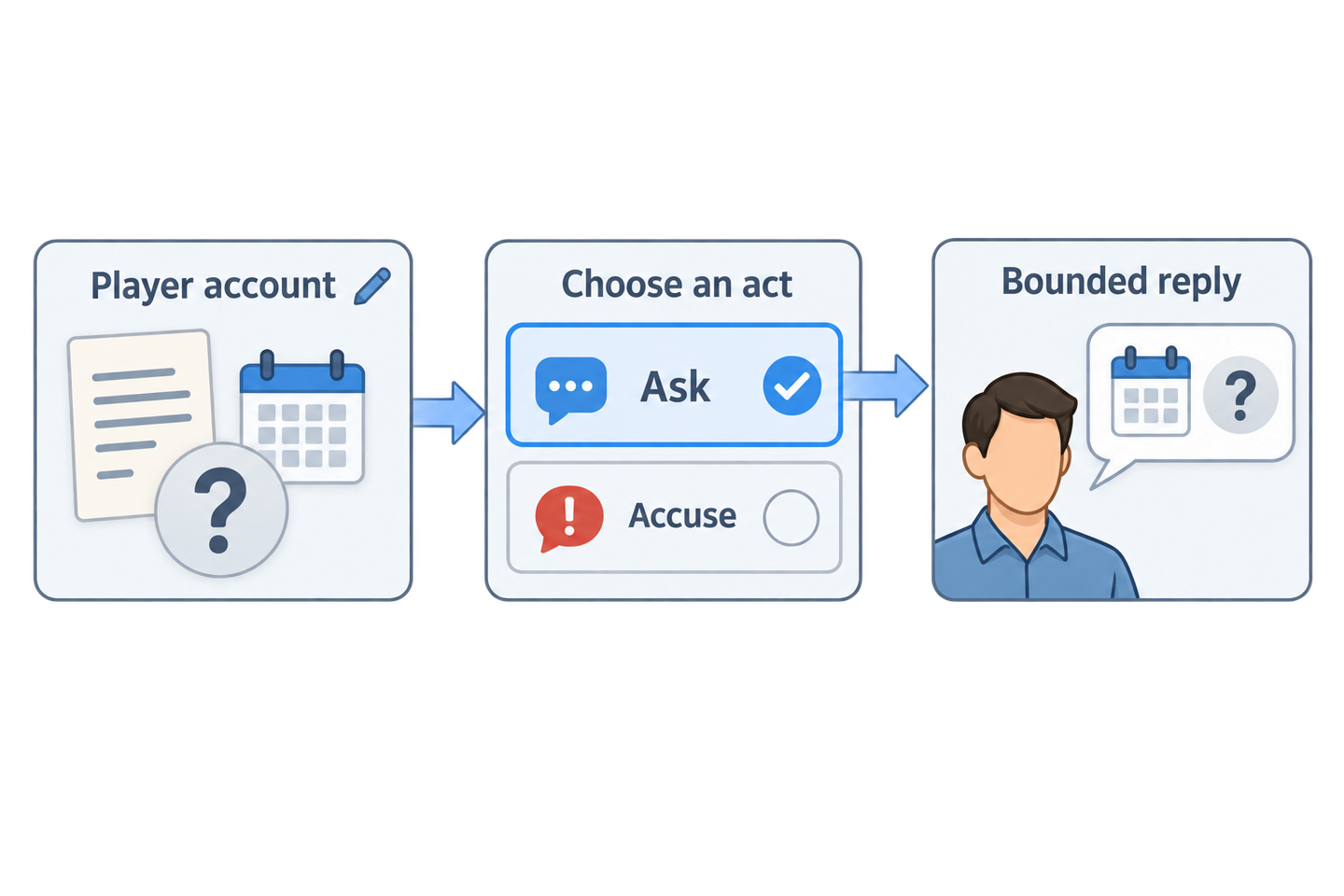
Let the player state a theory before the NPC answers
A small editable account can connect a player’s interpretation to a character response without treating that interpretation as established fact.
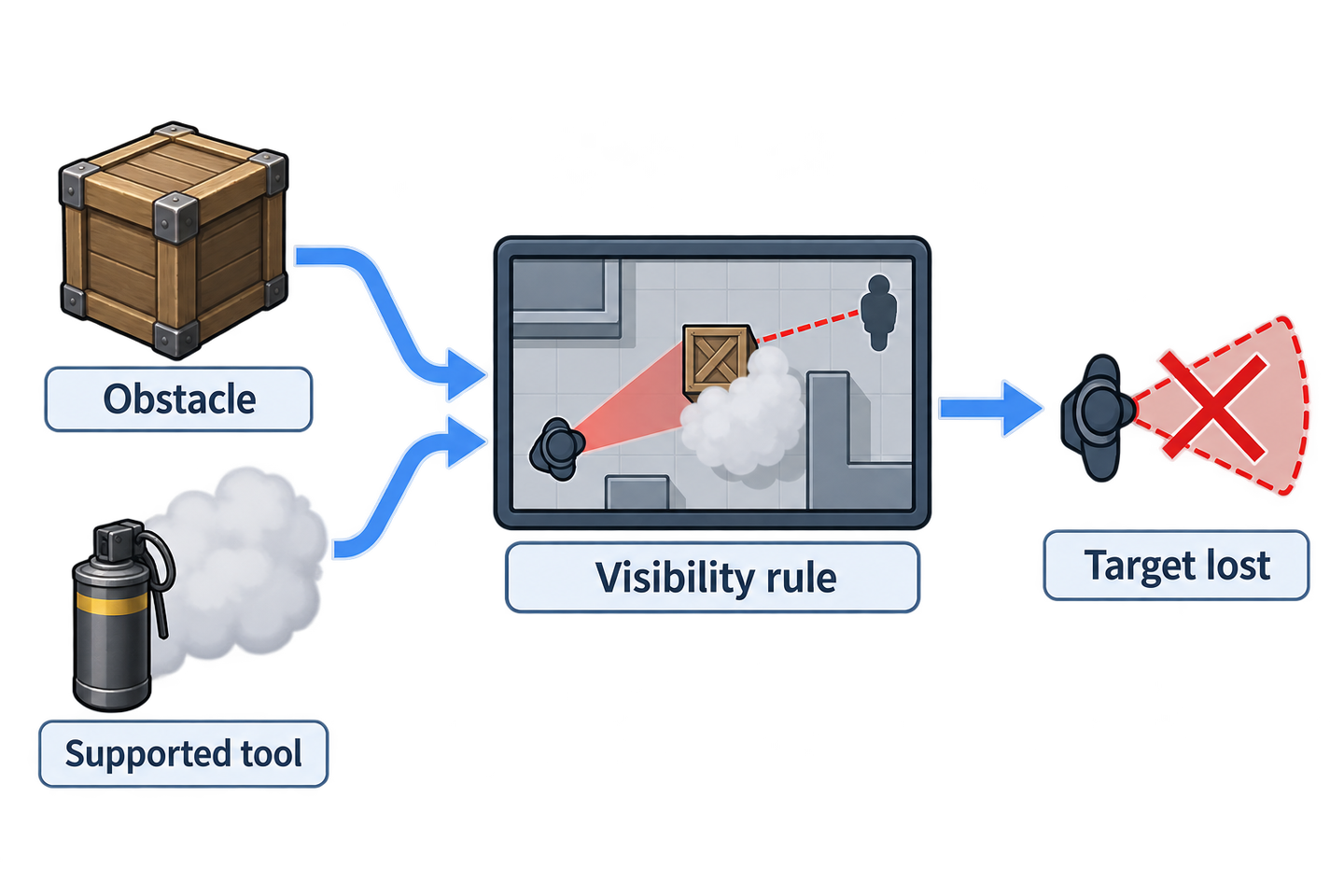
Give generated tools a rule the world already understands
Start with one shared effect and trace what it lets the player do before expanding a generated toolset.
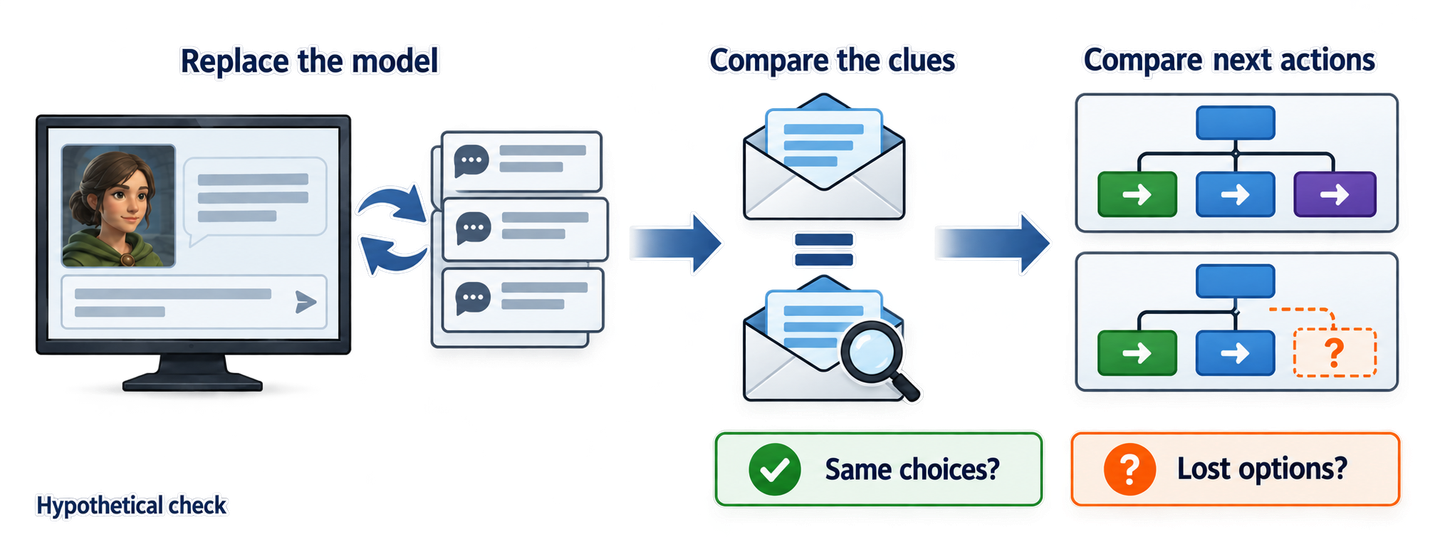
What makes a game AI-native?
Replace the model with written replies and check what changes in play.
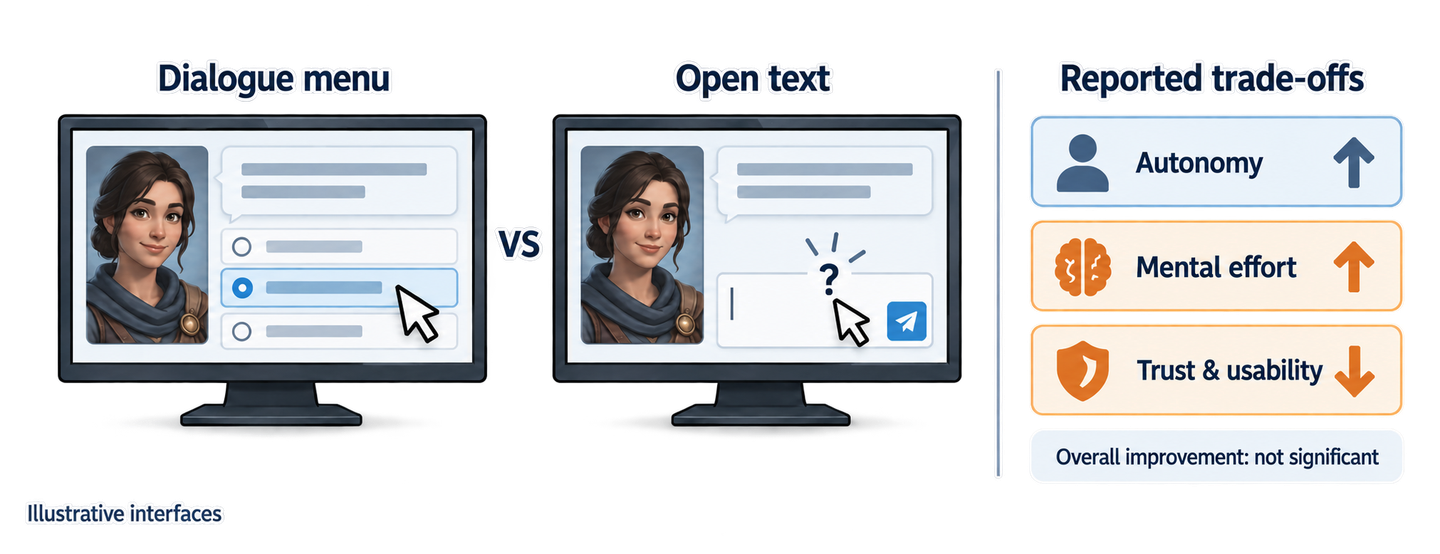
What changes when players can ask an NPC anything?
An LLM-NPC study reports more autonomy alongside more effort and lower trust.
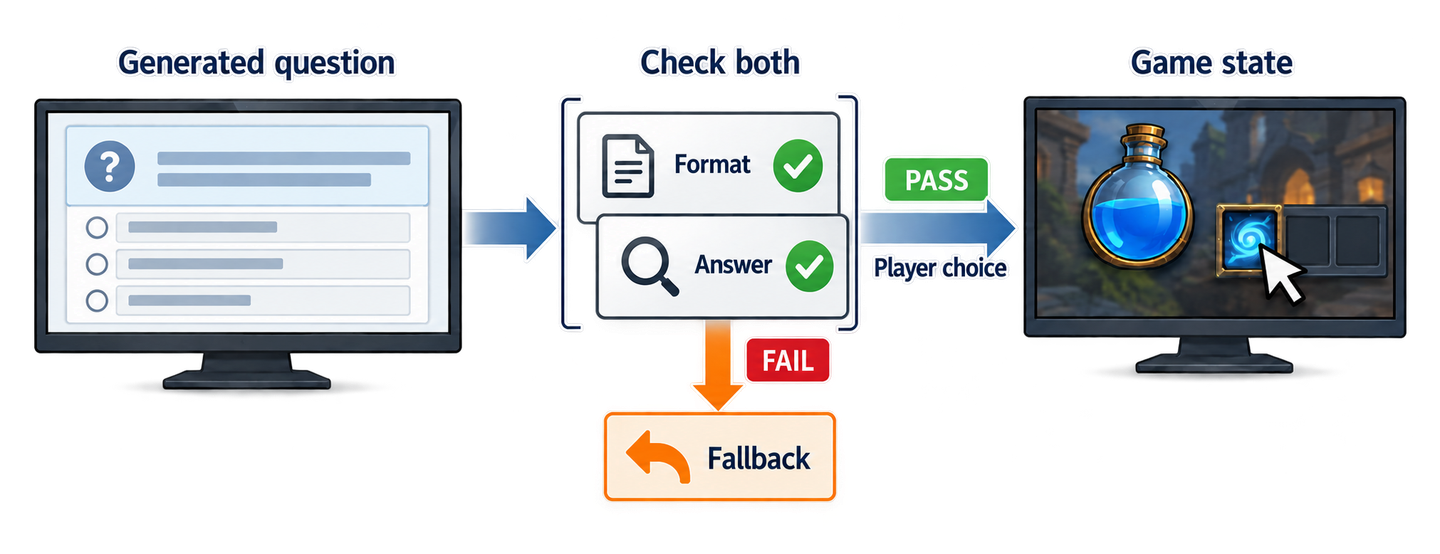
How to test LLM-generated questions before they affect gameplay
Check the answer and the resulting game state before a generated question can change a player’s resources.
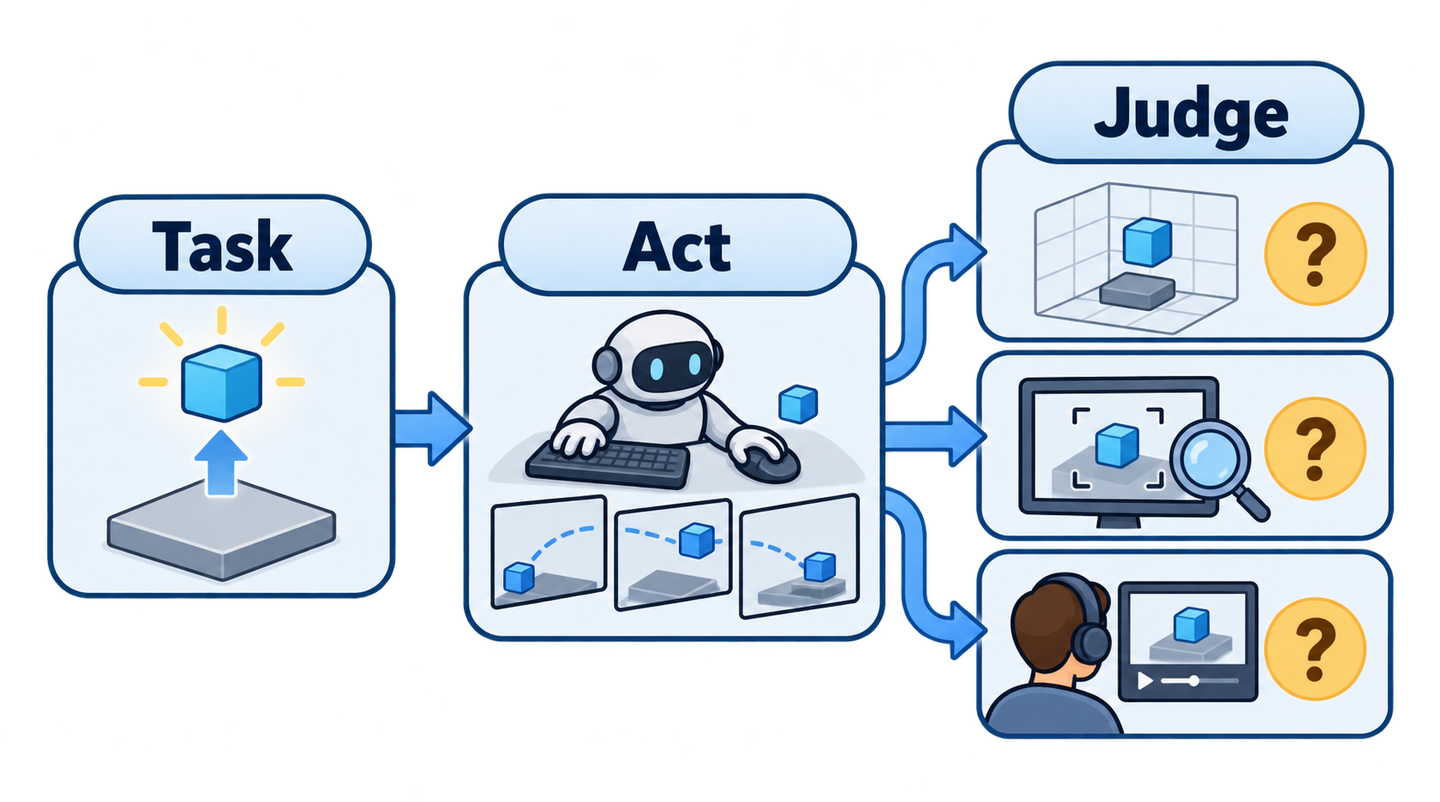
A generalist game agent still needs a definition of task success
Define task consequences and preserve how each agent outcome was judged.
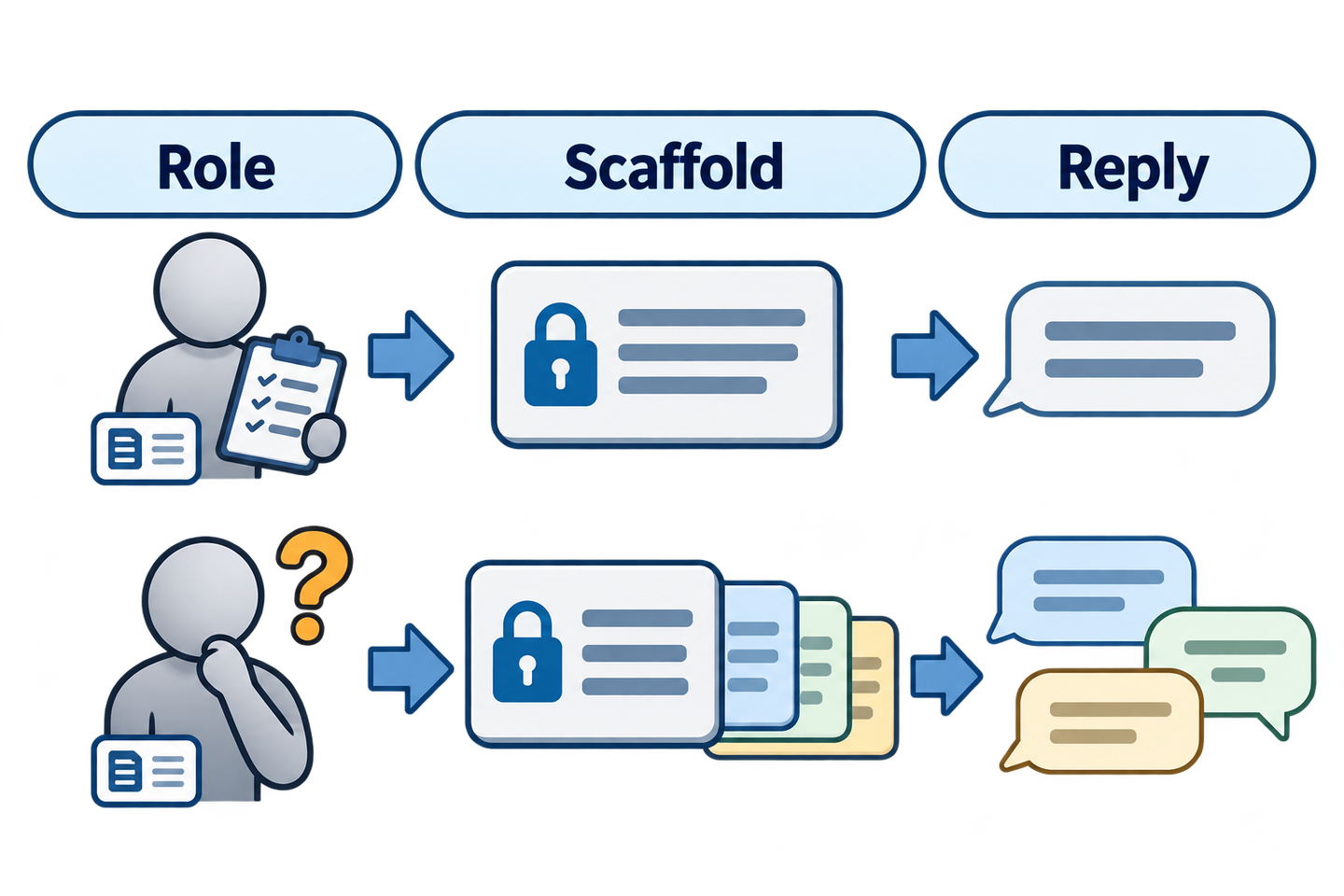
A quest giver and a suspect may need different dialogue constraints
Choose dialogue constraints around the social act each character needs to support.
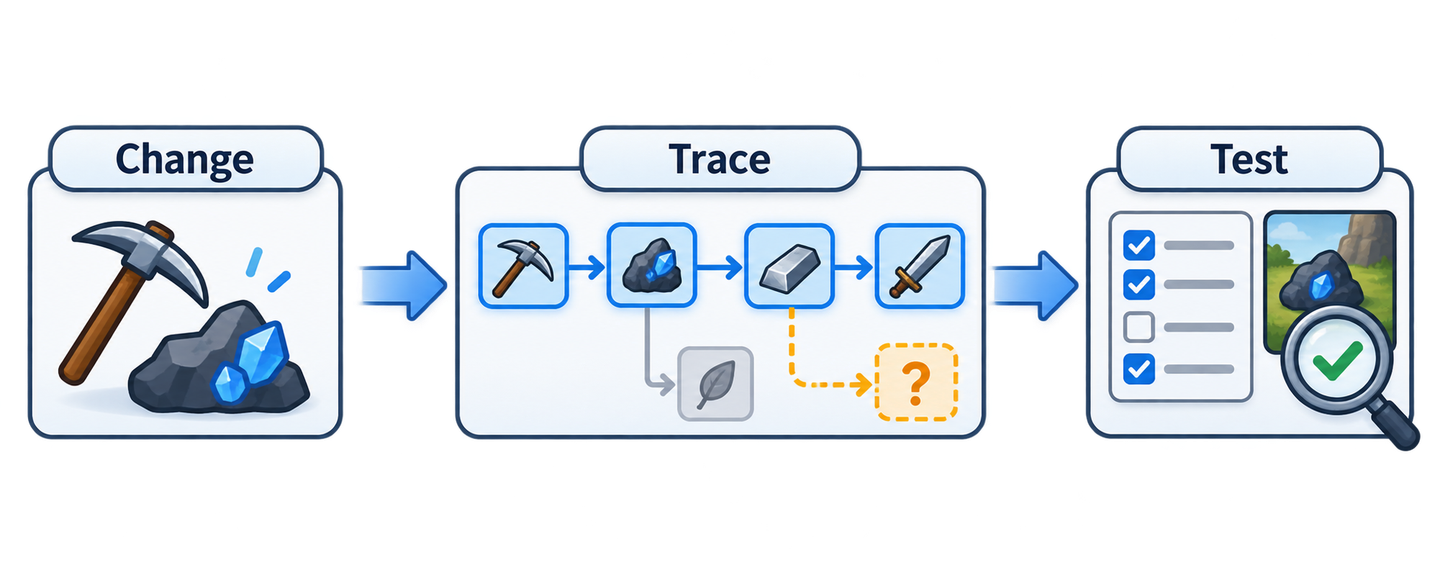
Test the rules that a game update actually touched
Keep an update’s dependency path and observed test consequence together, including missing knowledge.
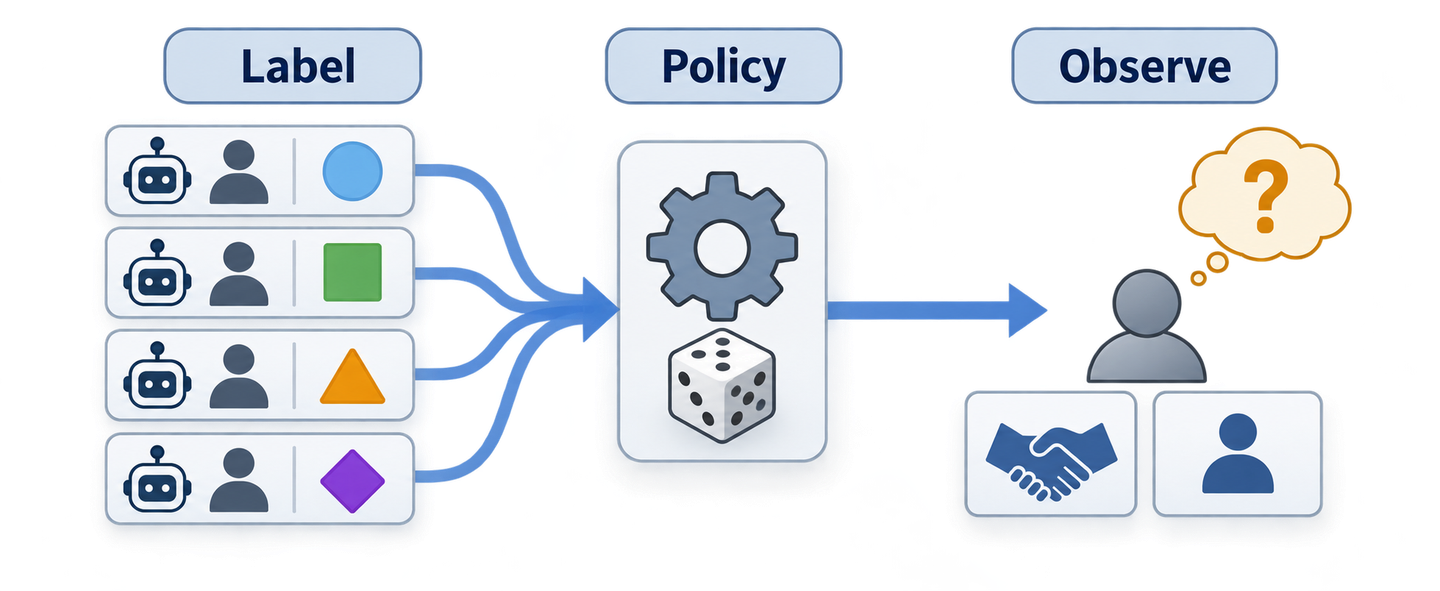
An AI character's identity label can change what a study measures
Record identity presentation alongside behavior before interpreting cooperation with an AI character.
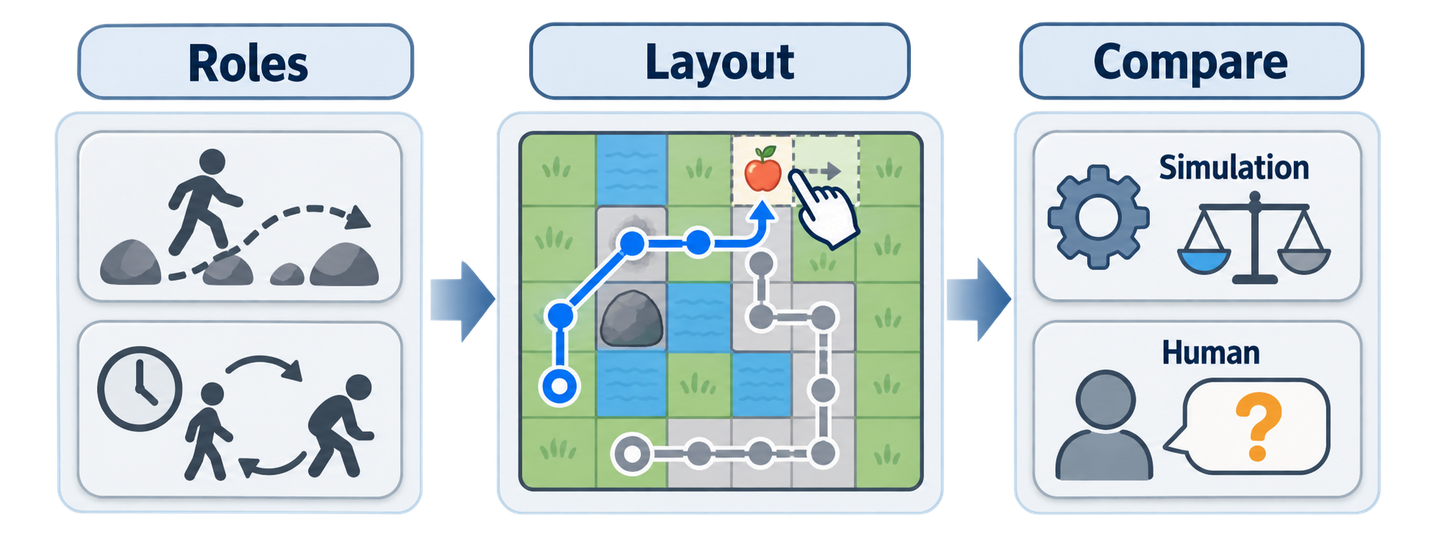
Different action capabilities may need a different level layout
Inspect layout balance under explicit action policies while preserving the separate question of human fairness.
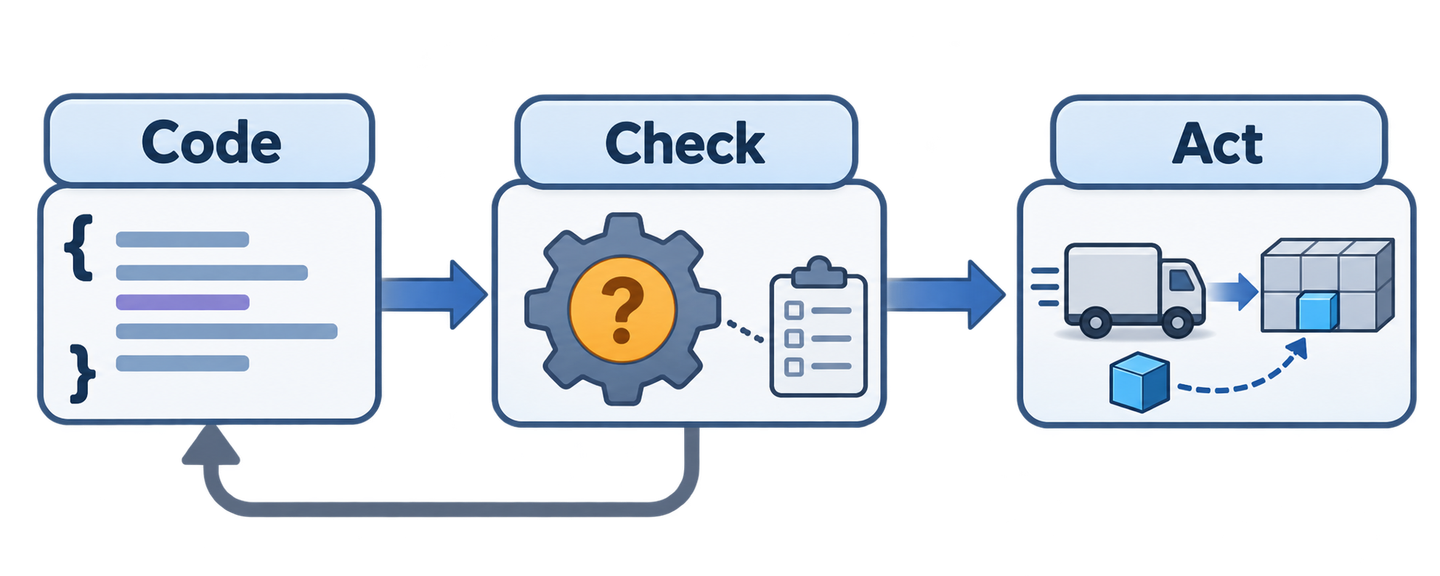
Make a code hint's consequence visible in the game
Inspect code evaluation, explanation and animation separately when designing programming-game feedback.
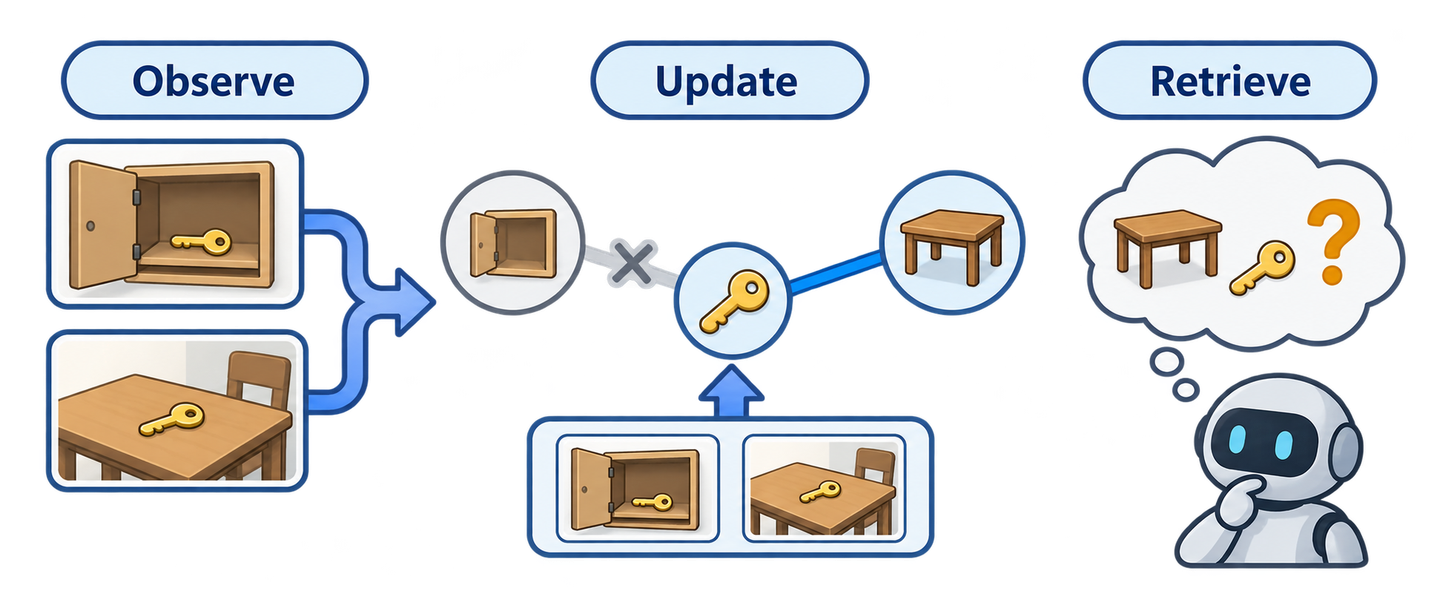
Keep a remembered fact connected to the observation behind it
Trace a remembered relation to its observation and correction before letting it guide a later action.
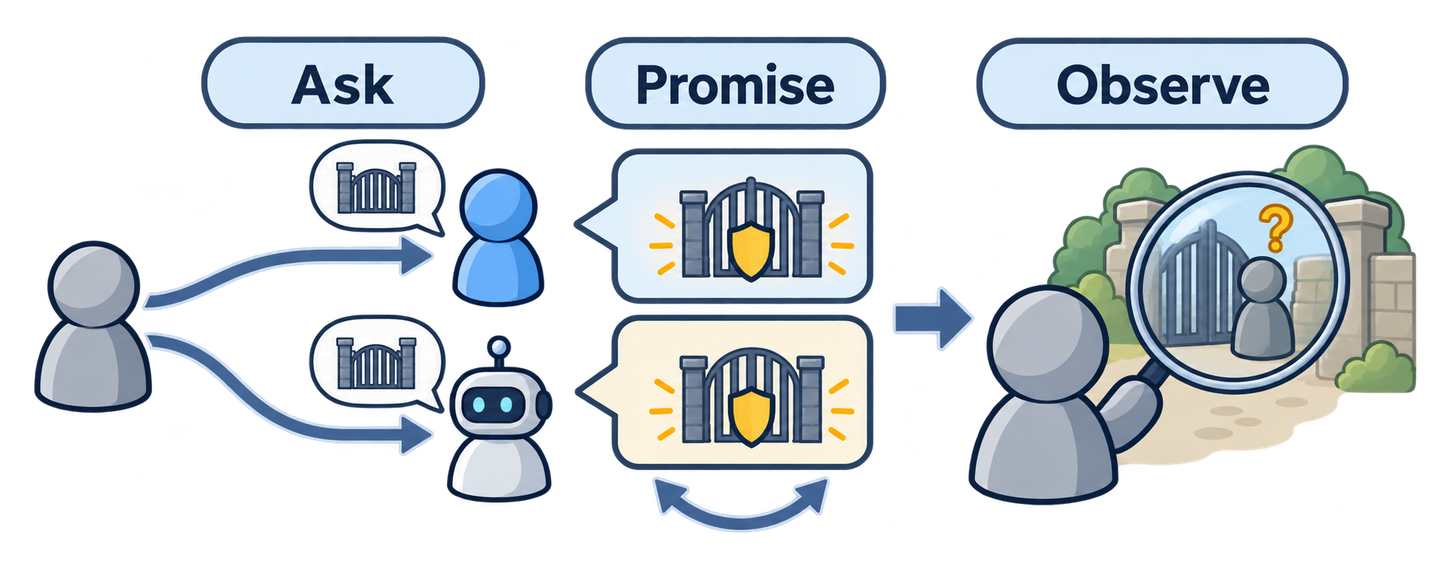
A partner's promises and behavior shape whom players trust
Keep a companion’s identity, promise and follow-through distinguishable when designing a social choice.
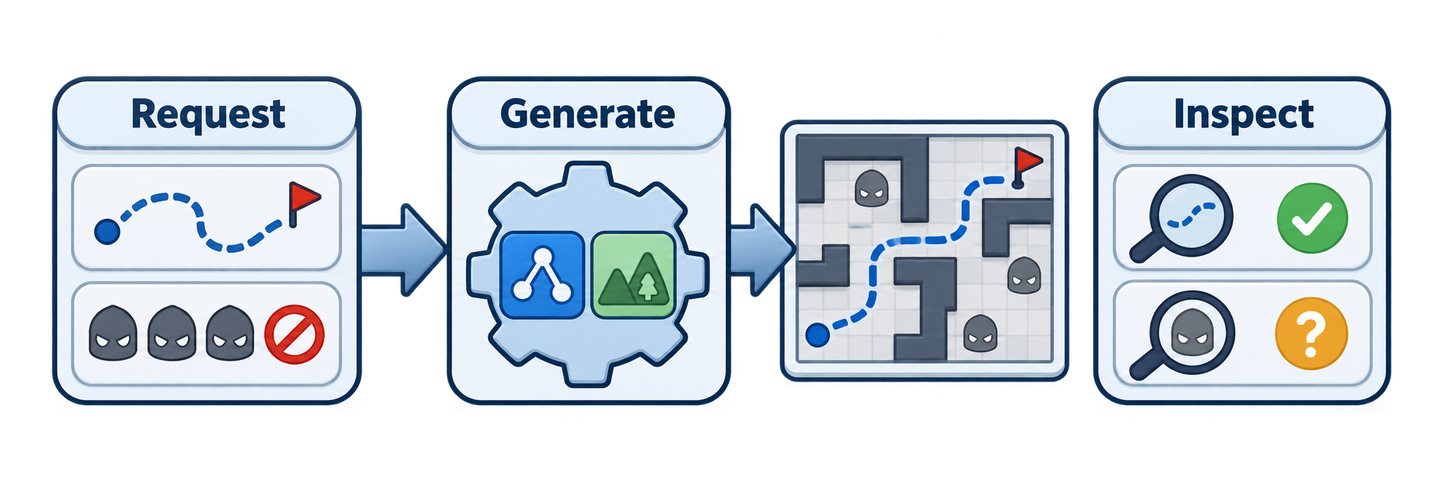
A level request can contain several constraints at once
Retain separately inspectable objectives when a level request combines several properties.
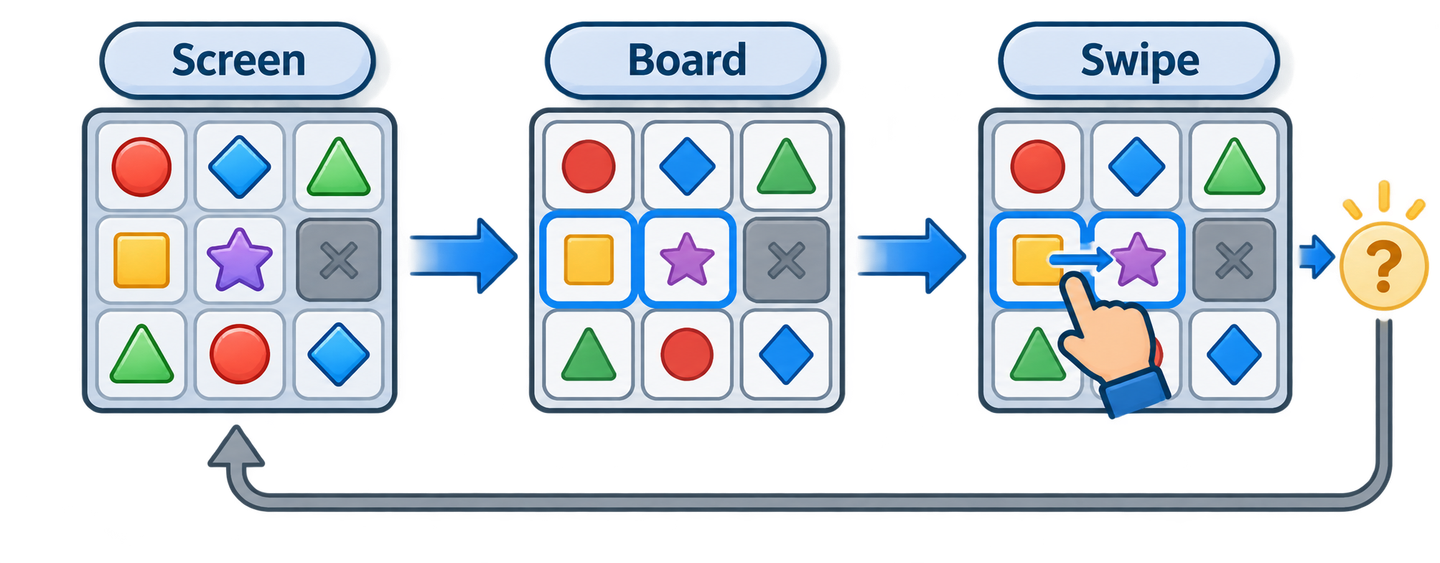
Turn a match-3 board into something a test agent can act on
Keep screenshots, structured boards, chosen moves and actual inputs together when evaluating test agents.
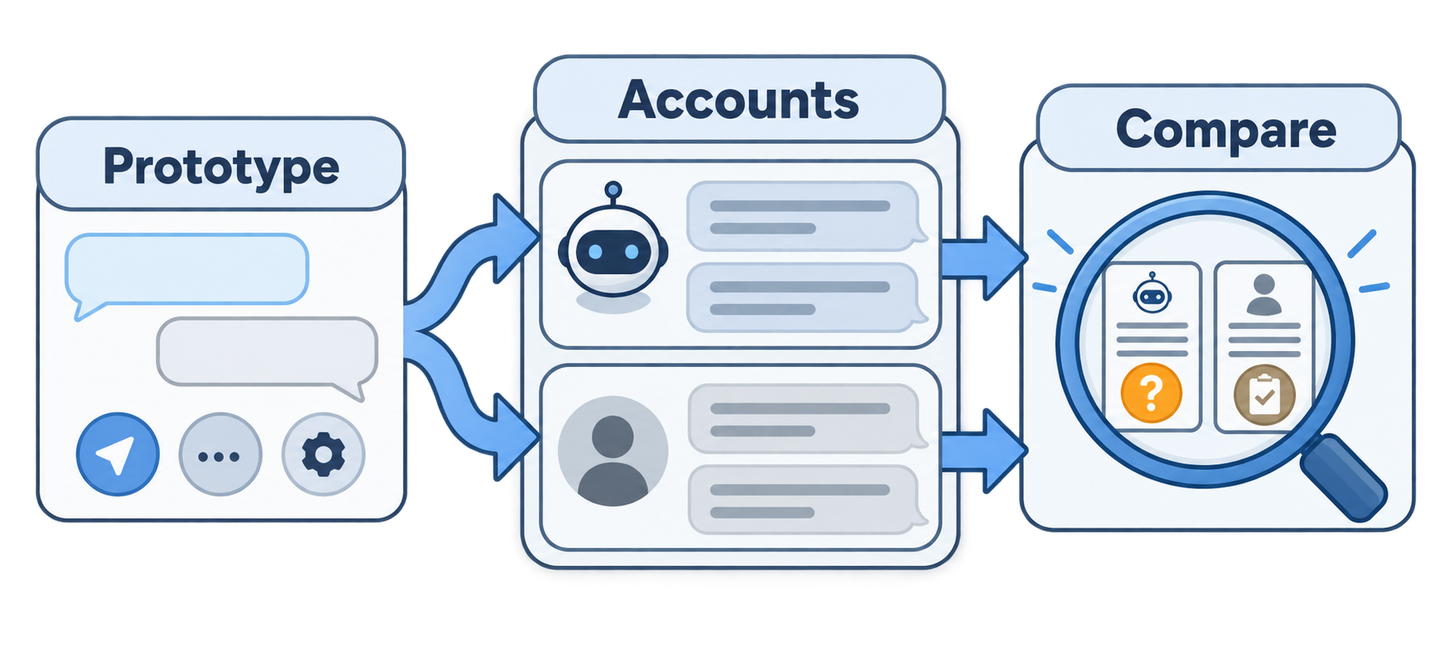
What simulated player feedback can contribute to a prototype
Use simulated critiques as inspectable research aids while preserving the origin of every account.
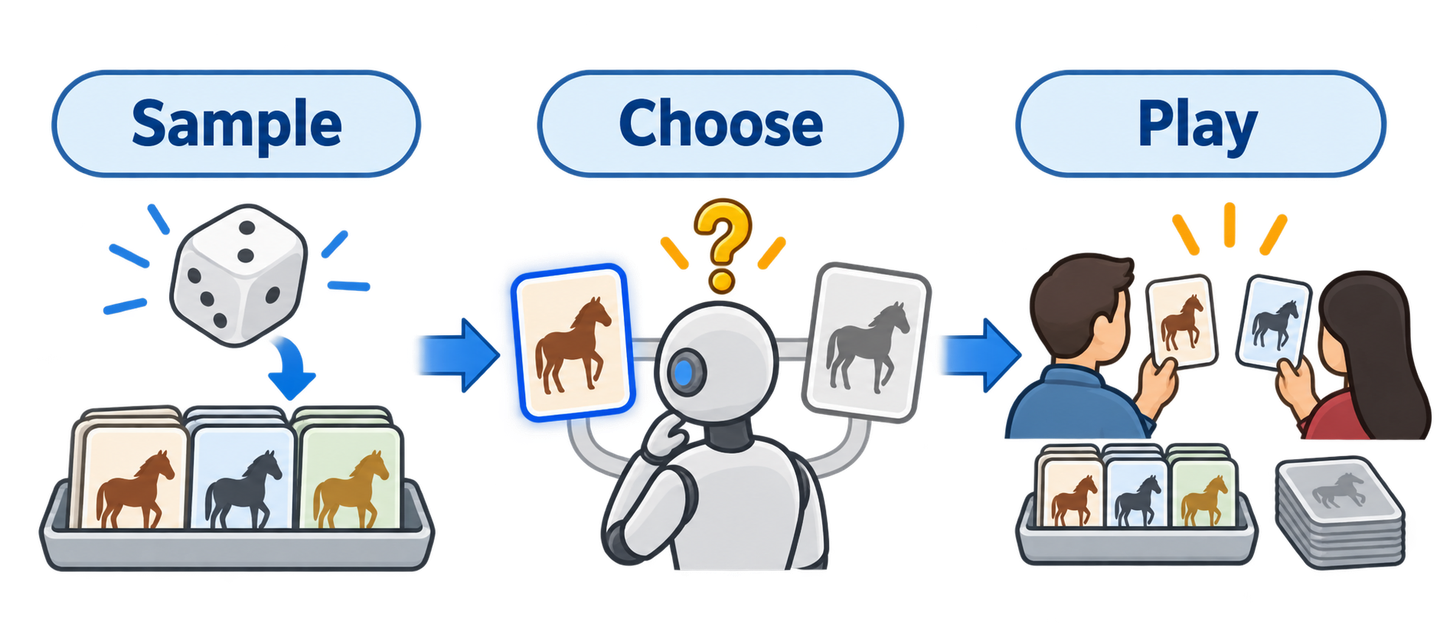
An unpredictable move needs a reason to be random
Separate access to a random sample from the decision to use it in a competitive move.
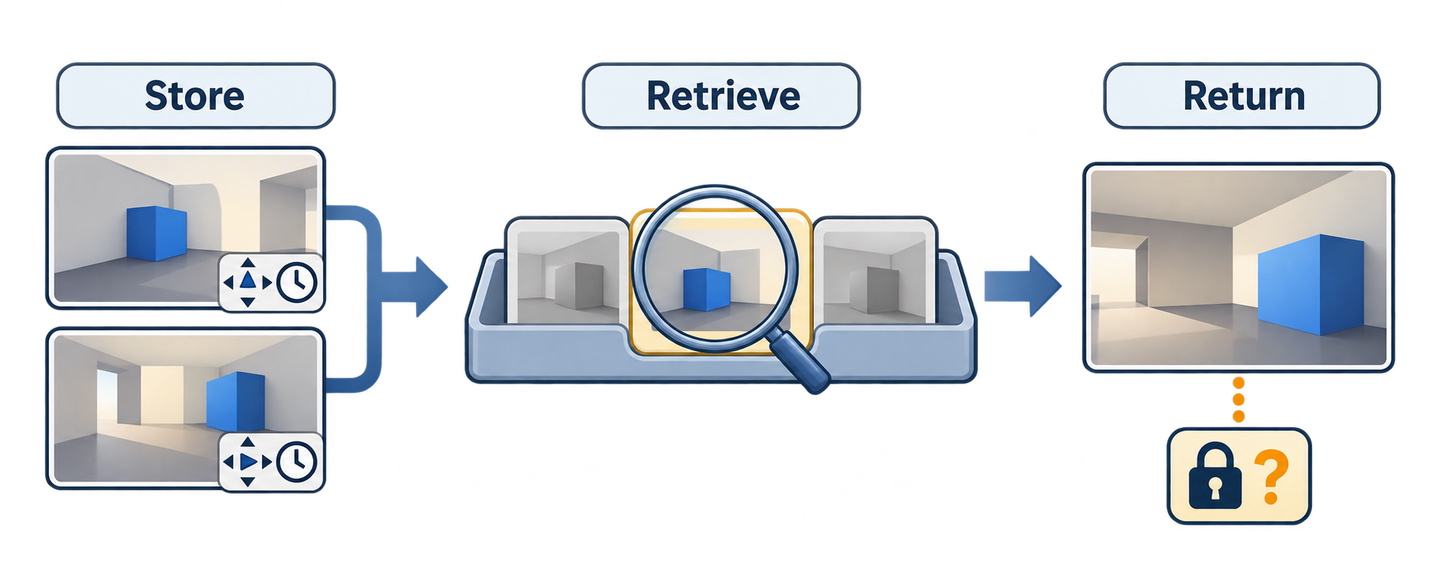
Remember a generated place across a change of view
Inspect which remembered views preserve a revisit and which consequences need authoritative game state.
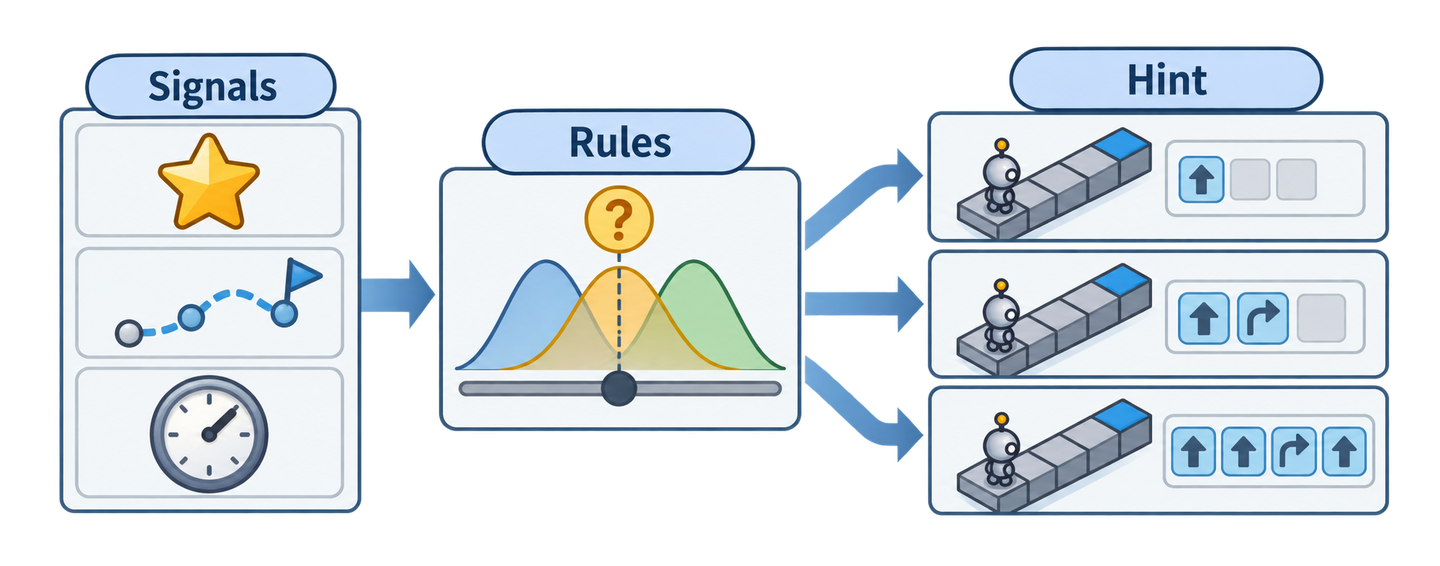
Vary a hint without deciding who the player is
Inspect how performance signals select assistance without treating an inferred expertise label as a person’s identity.
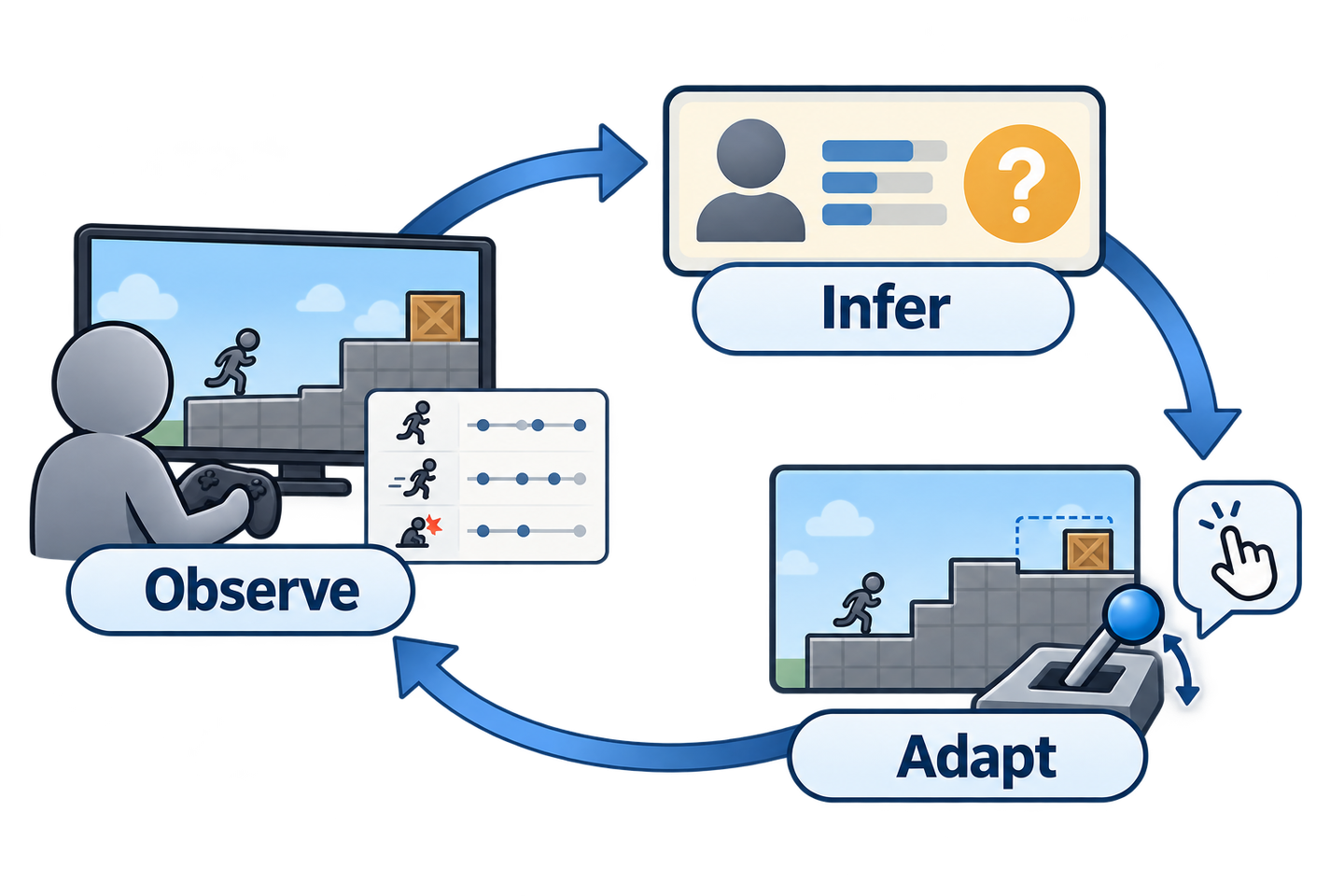
Close the loop between player evidence and game adaptation
Trace observations into an adaptation and inspect the consequences before expanding a player model.
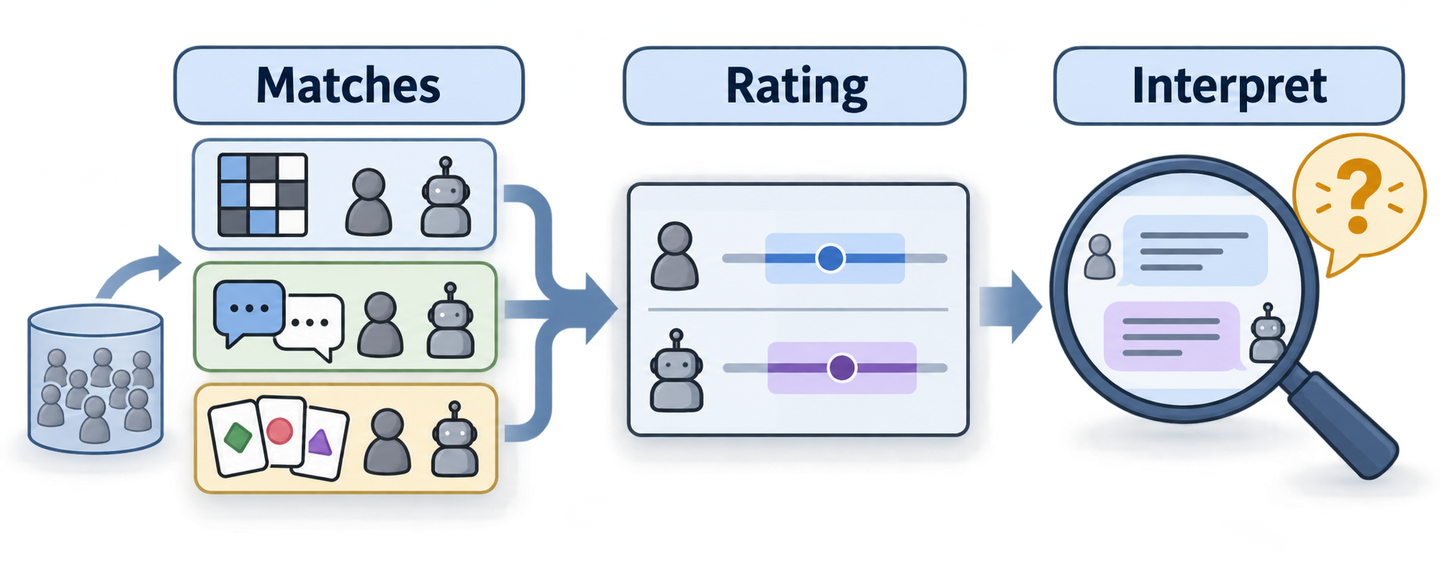
Reading a game-agent leaderboard
Read the games, opponents and uncertainty behind a rating before choosing a game agent.
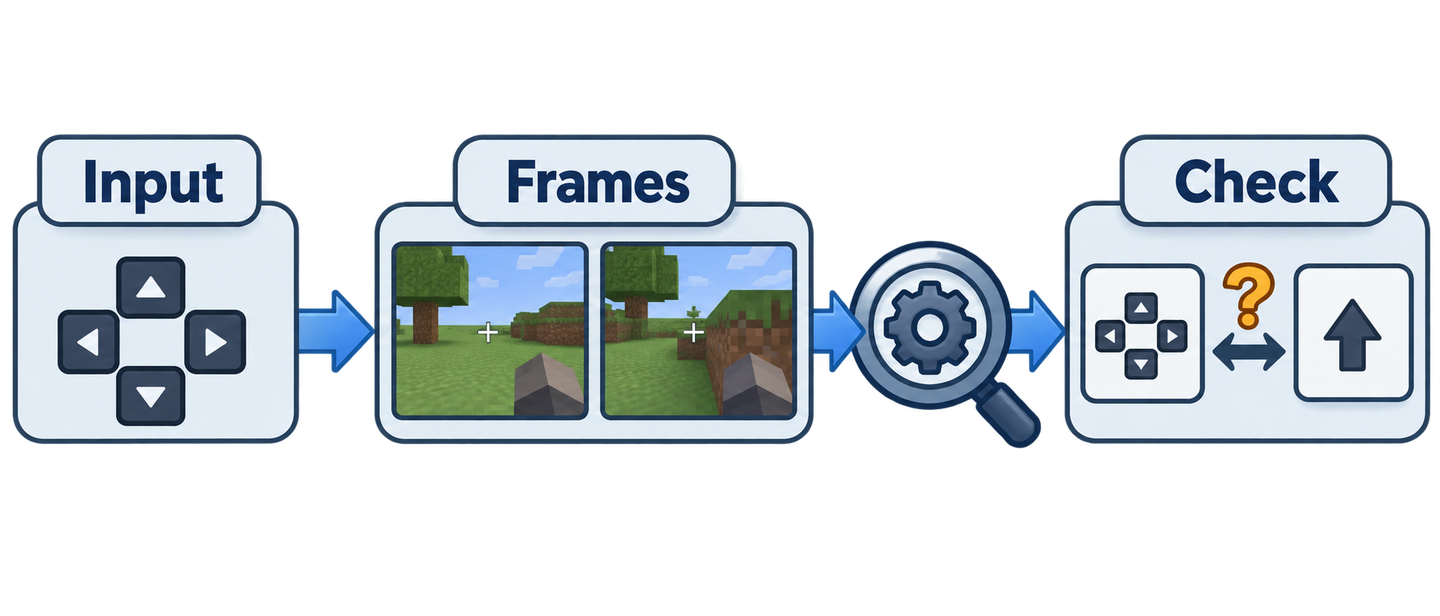
Check whether a generated world follows the action it receives
Evaluate action alignment, image quality and response time as separate promises.
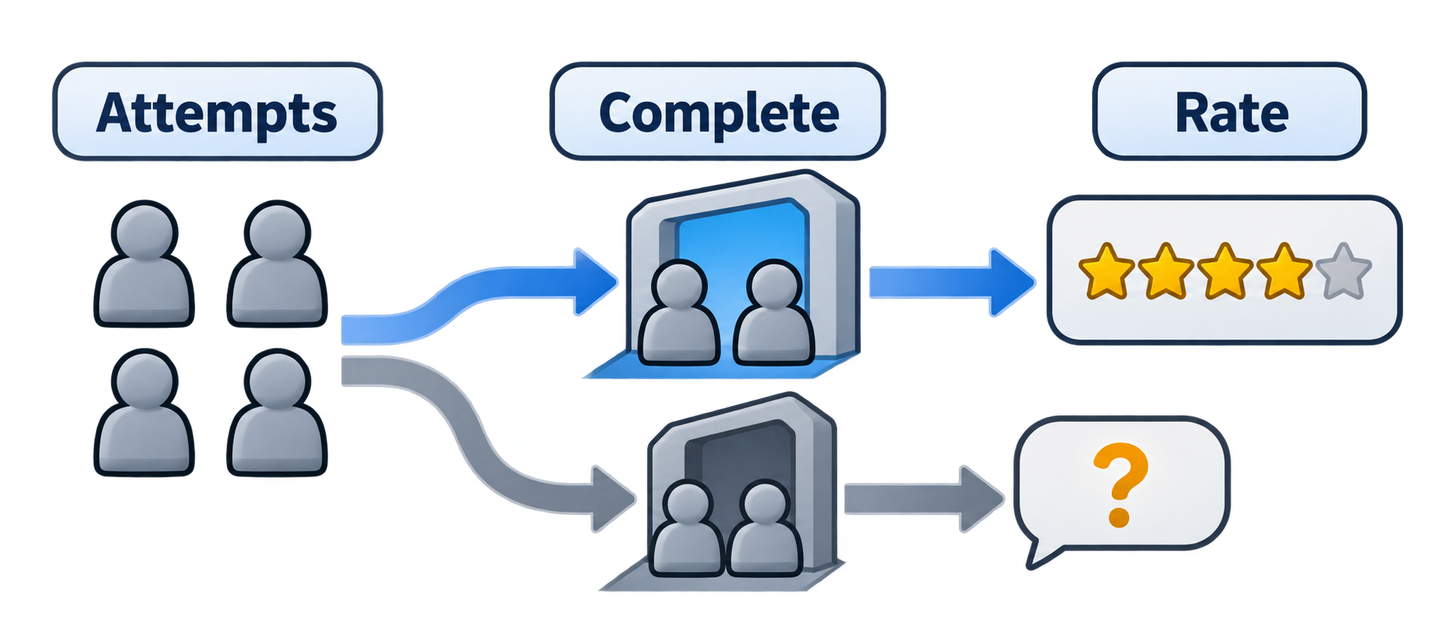
More completed levels can come with lower player ratings
Keep completion and reported experience separate when evaluating personalized levels.
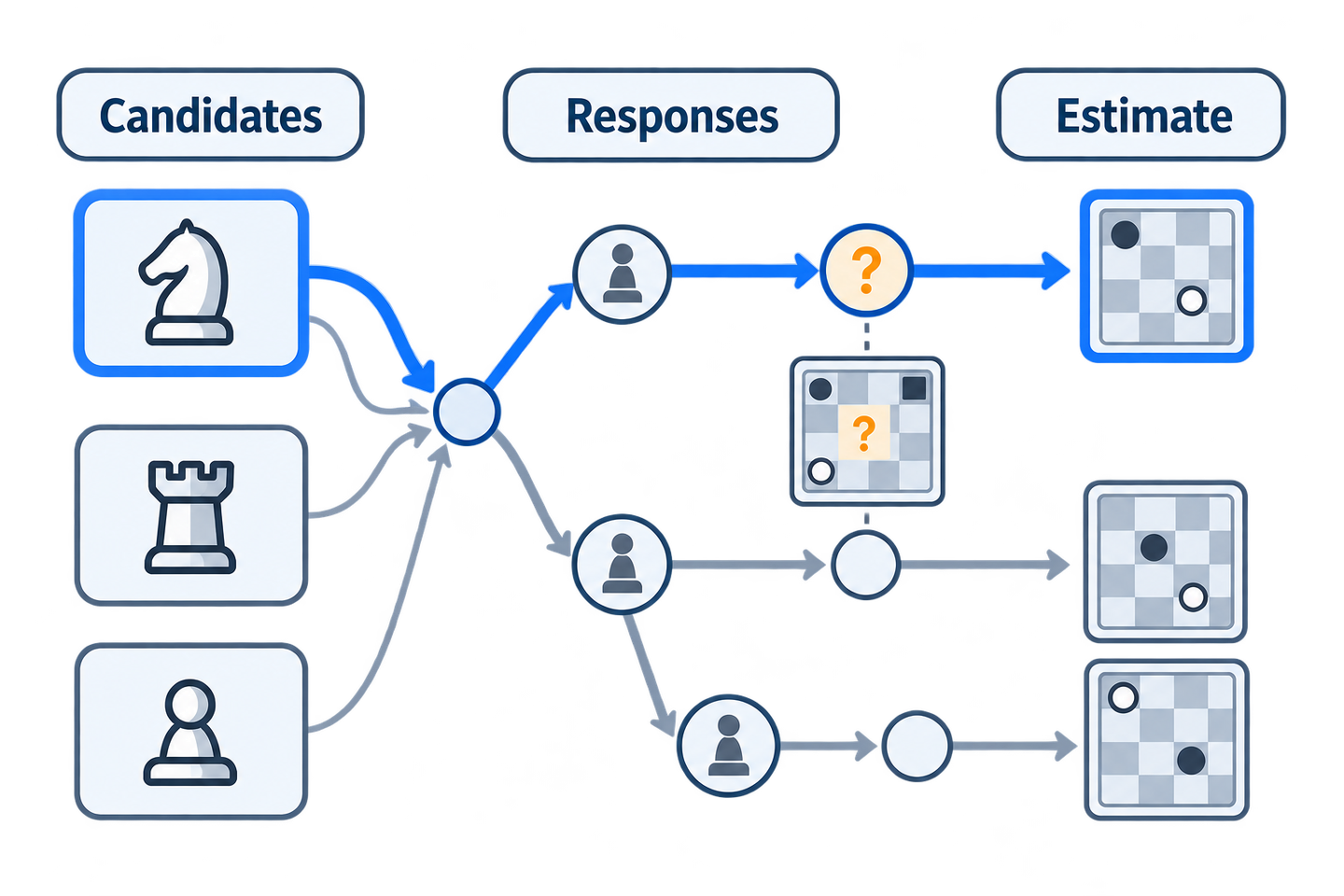
Give a competitive agent a search tree to reason through
Inspect which candidate, response or estimate changes a competitive agent’s chosen move.
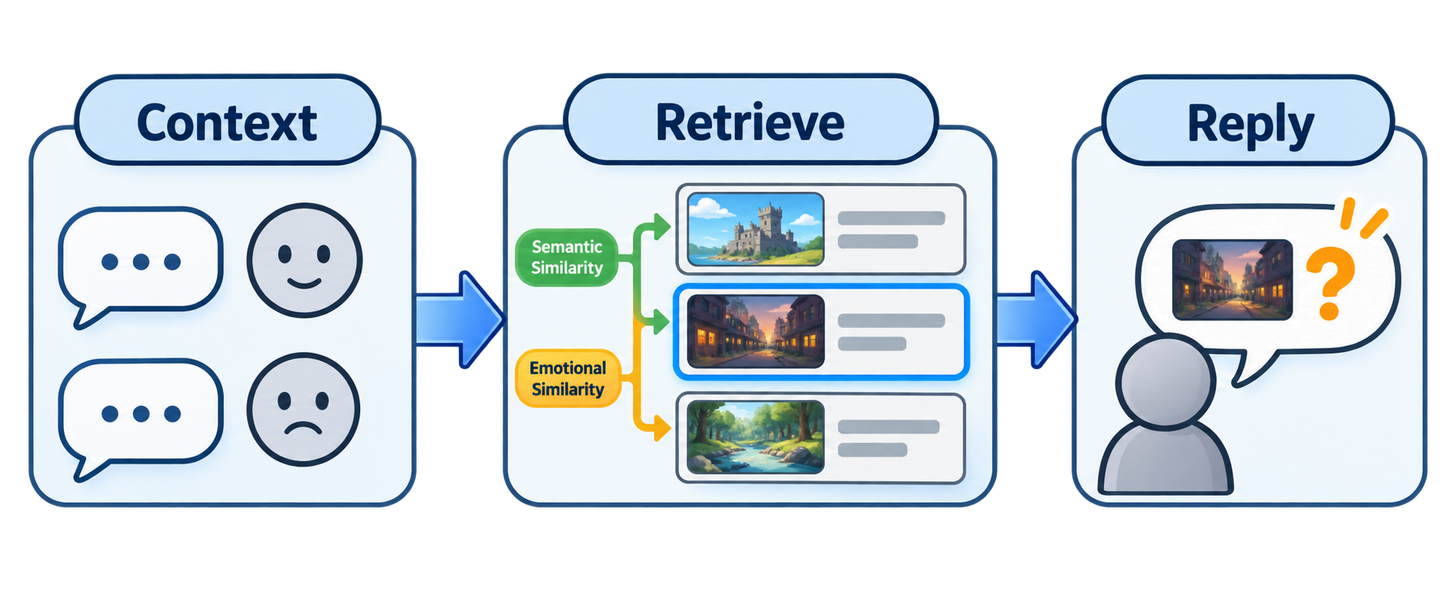
Which memory should a character recall in this emotional context?
Inspect which records emotional retrieval selects before judging whether a character’s reply keeps the game’s commitments.
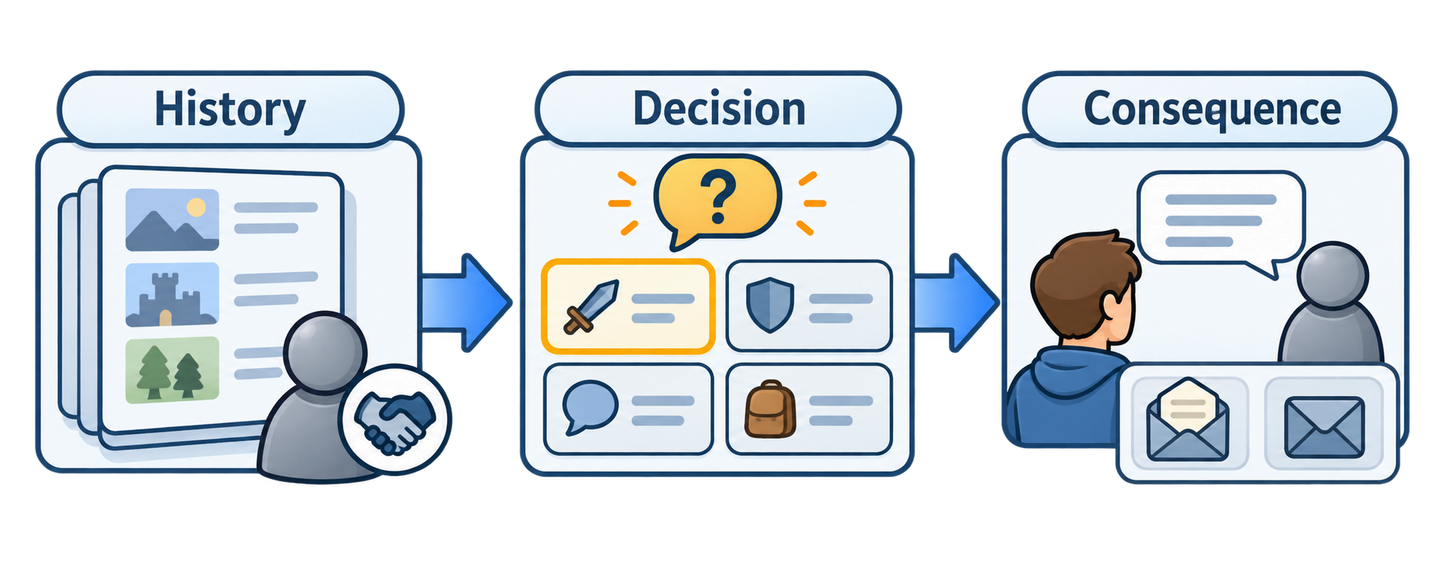
A believable voice does not specify a character's next decision
Inspect a character’s choices against relevant history before evaluating the voice that expresses them.
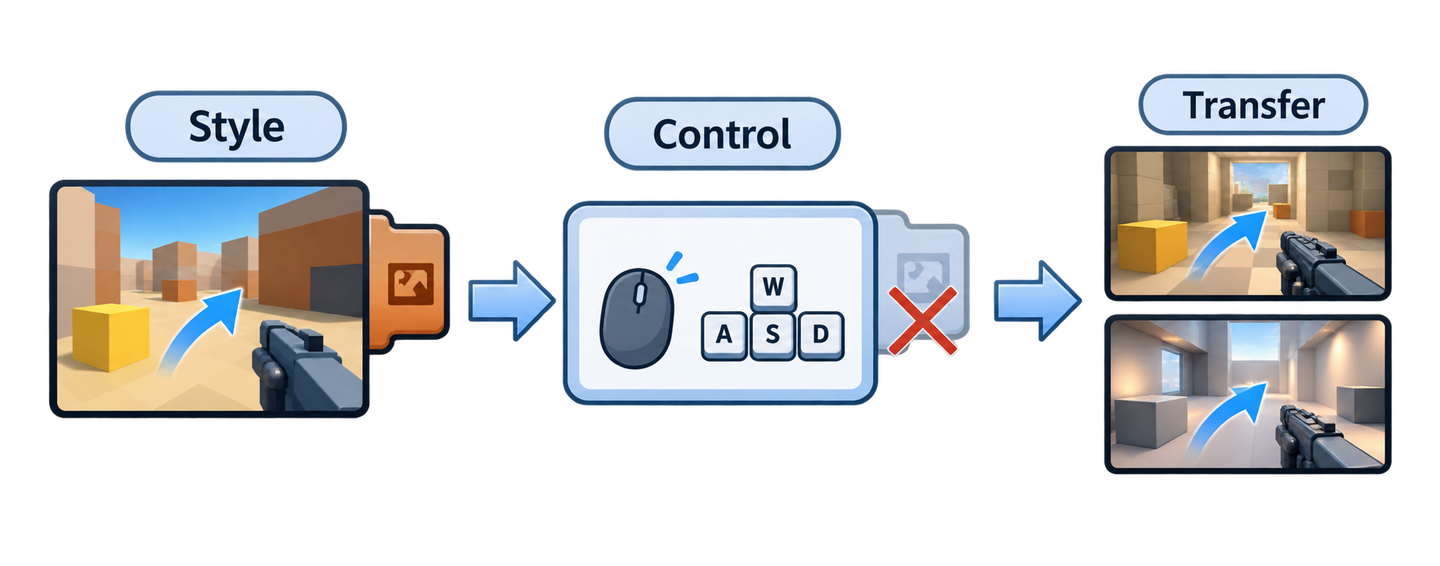
Separating a generated world's appearance from its controls
Compare action meaning across scene styles before treating visual variety as a new playable game.
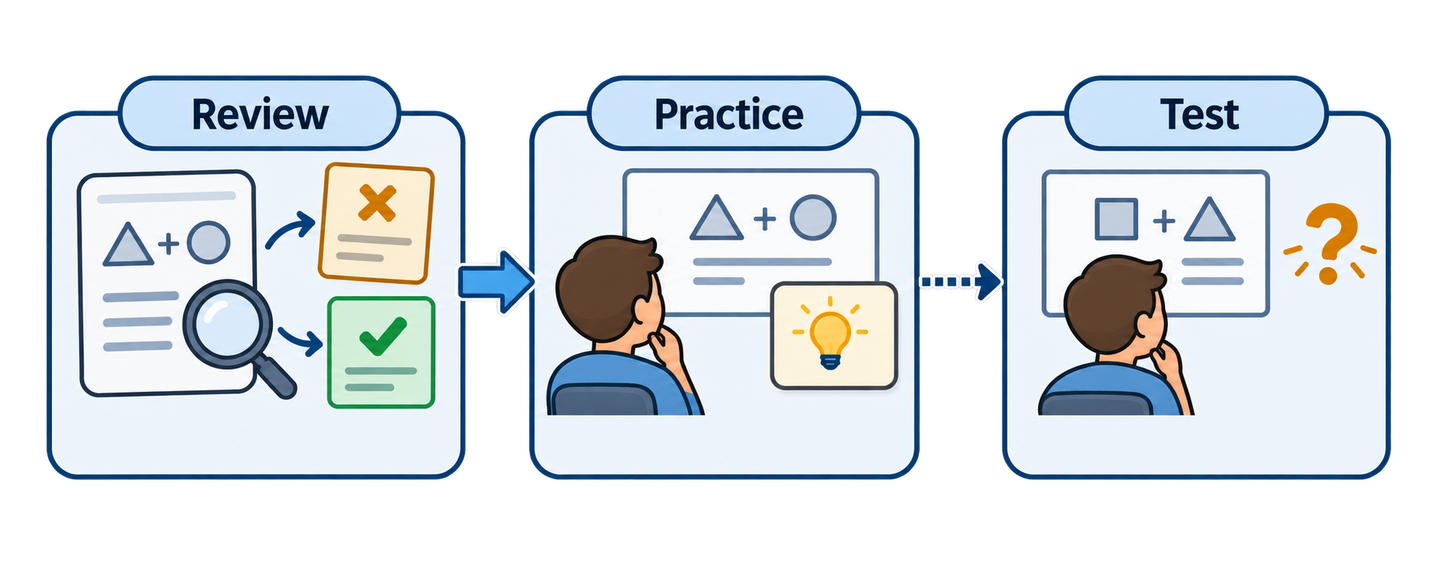
When an AI hint is meant to teach
Check generated help before use and separate supported completion from what a learner can do afterward.
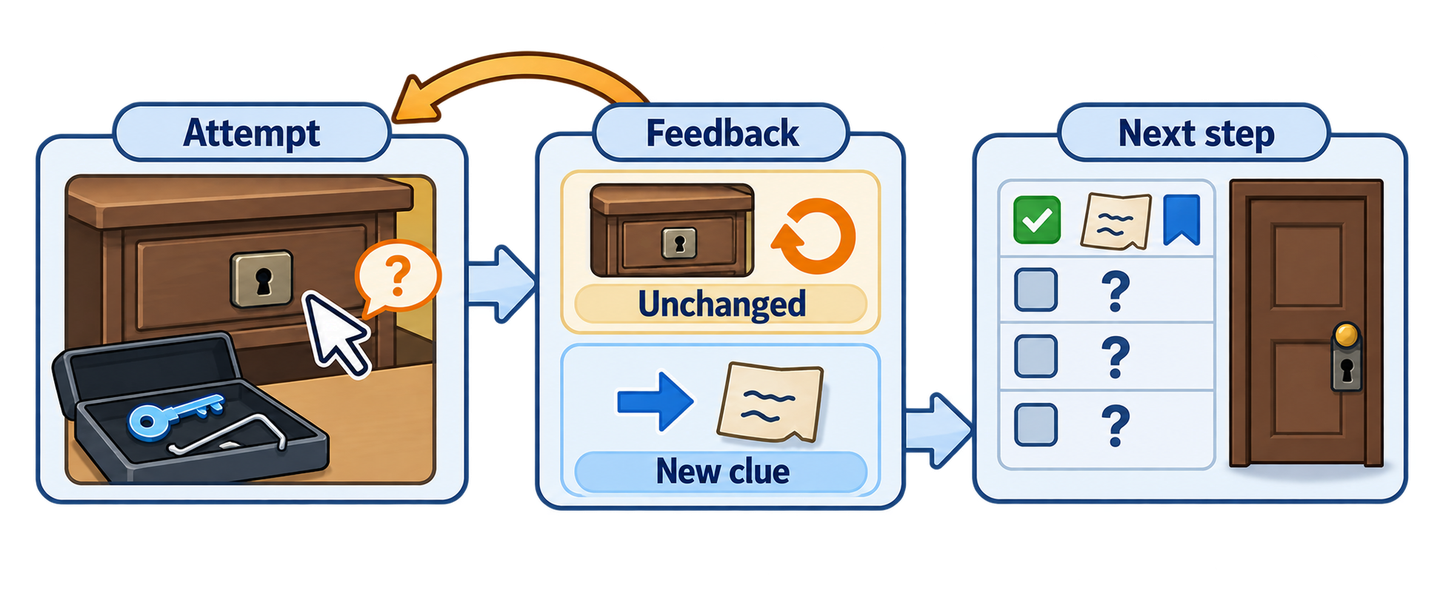
An escape-room agent can take many steps without solving the puzzle
Inspect action feedback and new usable information alongside steps and hints when evaluating puzzle-solving agents.
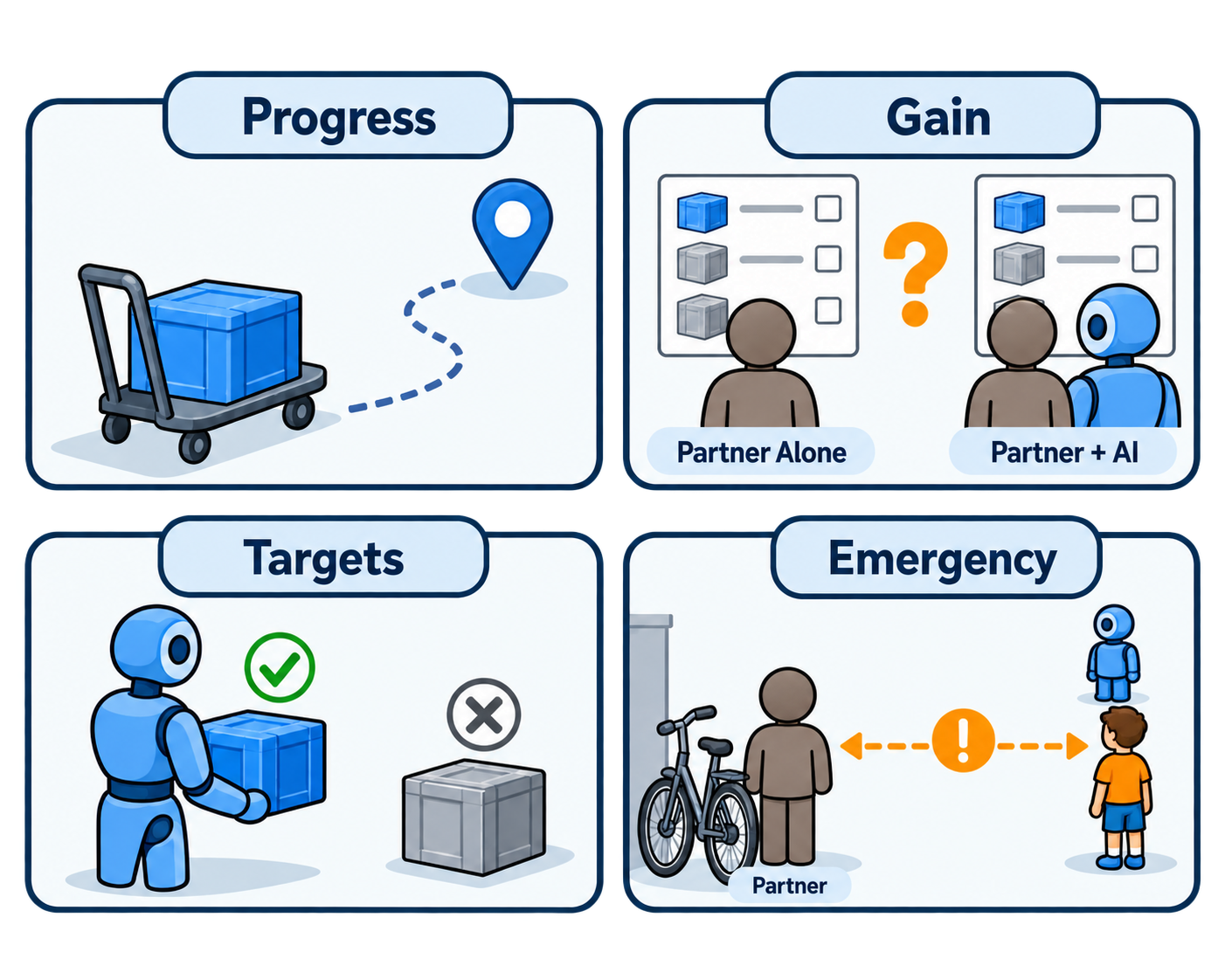
Measure what an AI teammate helps this partner do
Evaluate an AI teammate through the contribution it makes, including goal-selection errors and the partner’s opportunity to participate.
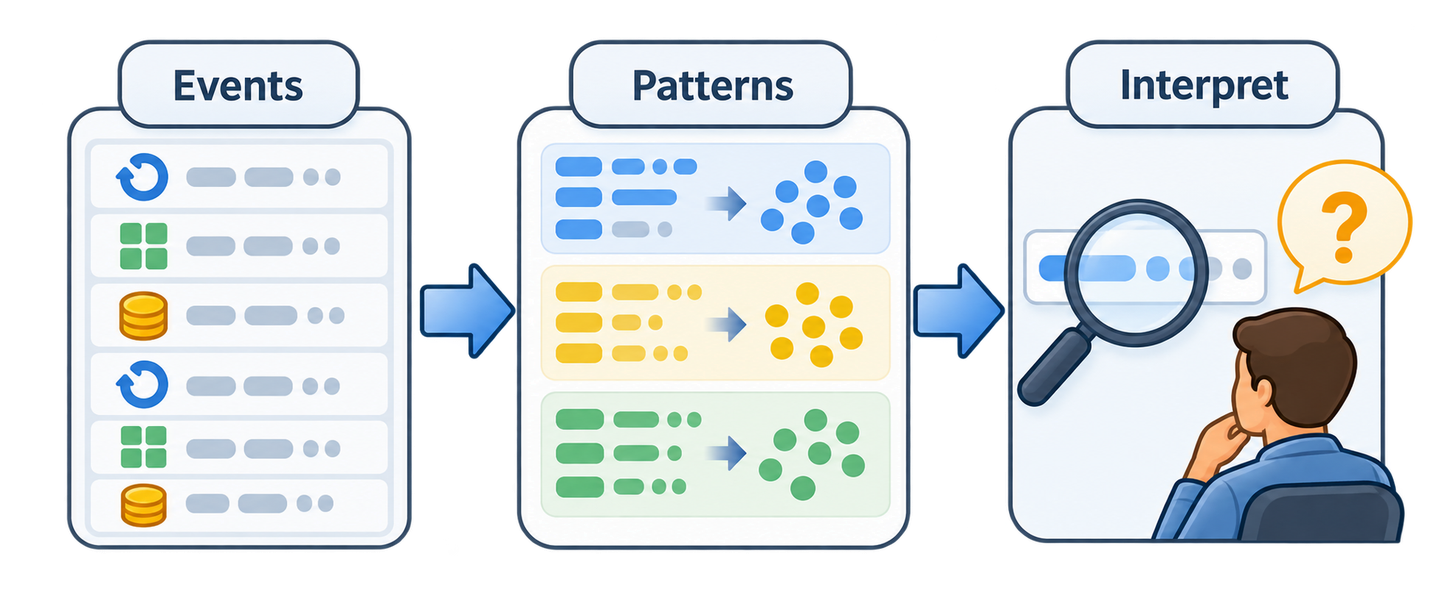
Reading gameplay events as a language
Use learned event patterns to investigate a design question while keeping player labels and intervention decisions open to challenge.
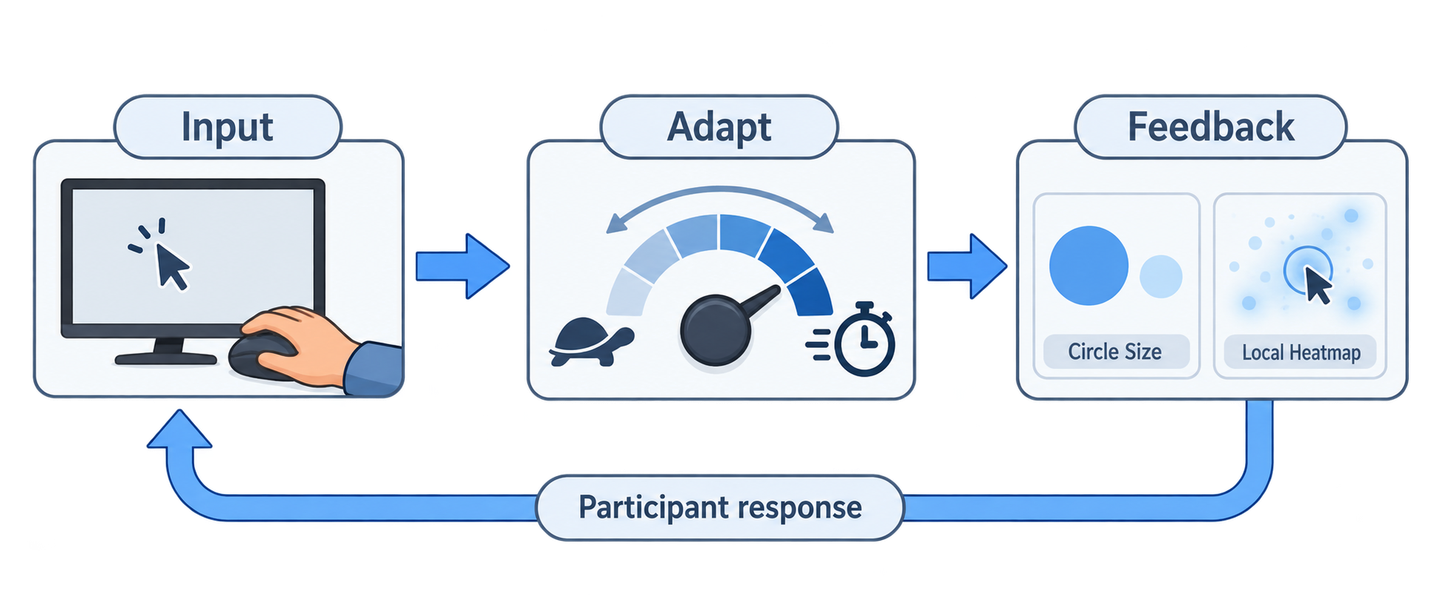
Players adapt to how quickly the AI adapts
Record adaptation speed and displayed feedback before interpreting player behavior as a stable preference.
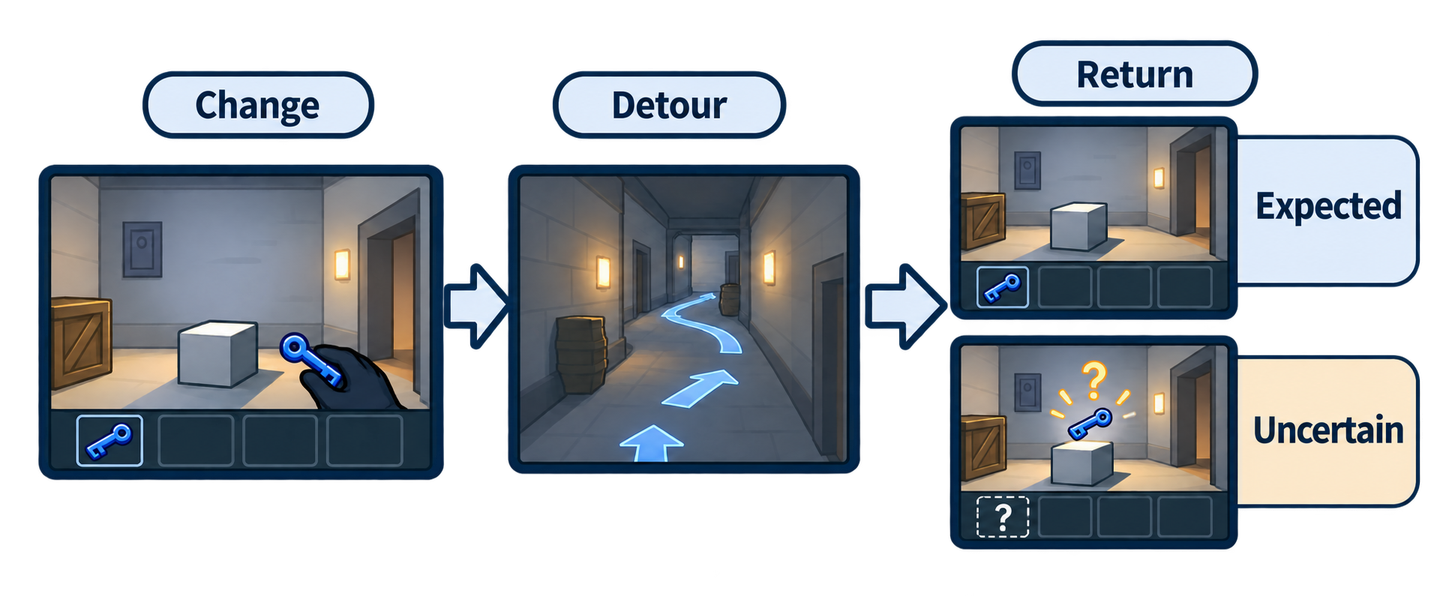
A convincing game clip can still forget the game state
Inspect retained consequences alongside plausible frames when deciding what a learned game simulation can support.
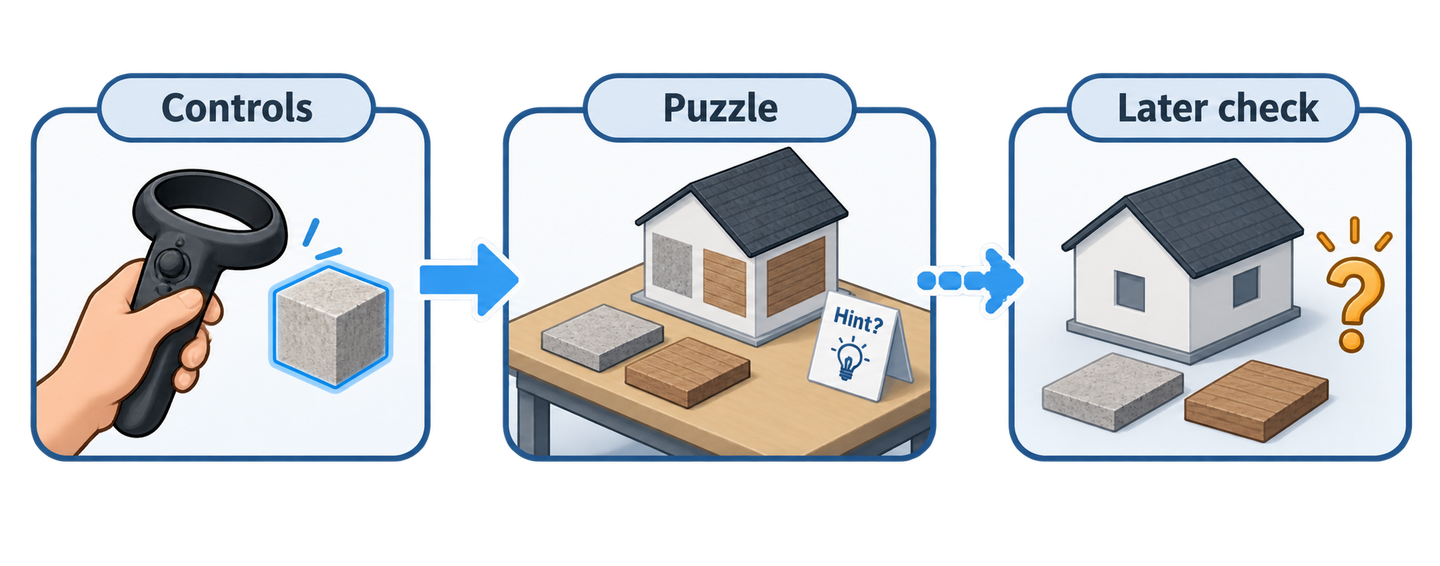
Teach the interface before asking the player to solve the puzzle
Separate interface help, puzzle reasoning and later learning evidence when designing educational game assistance.
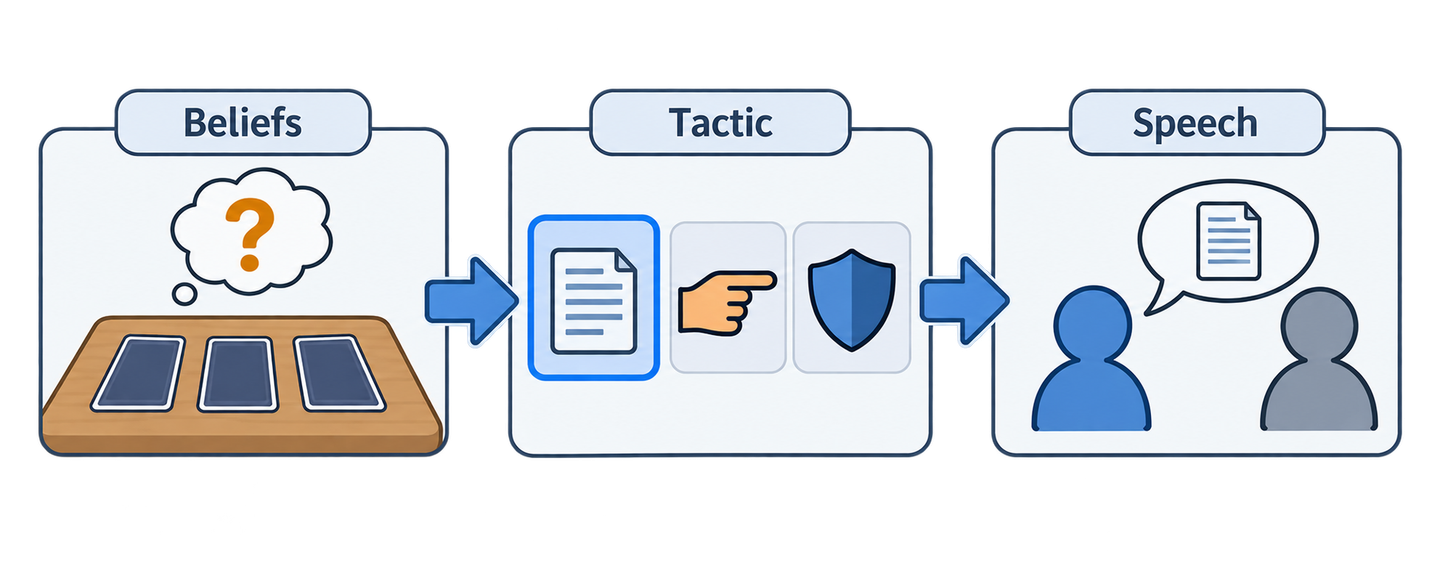
A character's speech needs a strategy behind it
Give a social-deduction character a purpose for speaking, then inspect what its statement lets the listener do.
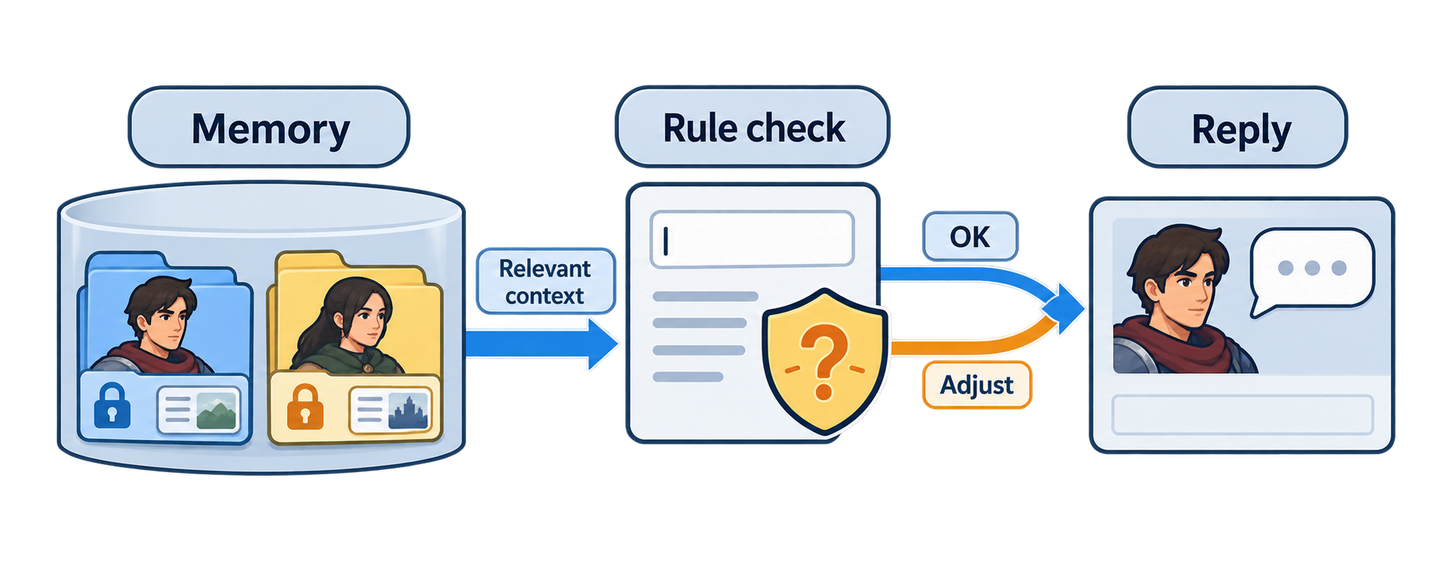
Keeping a generated conversation inside the game's narrative
Track retained narrative commitments and response checks together, including how corrections change a later reply.
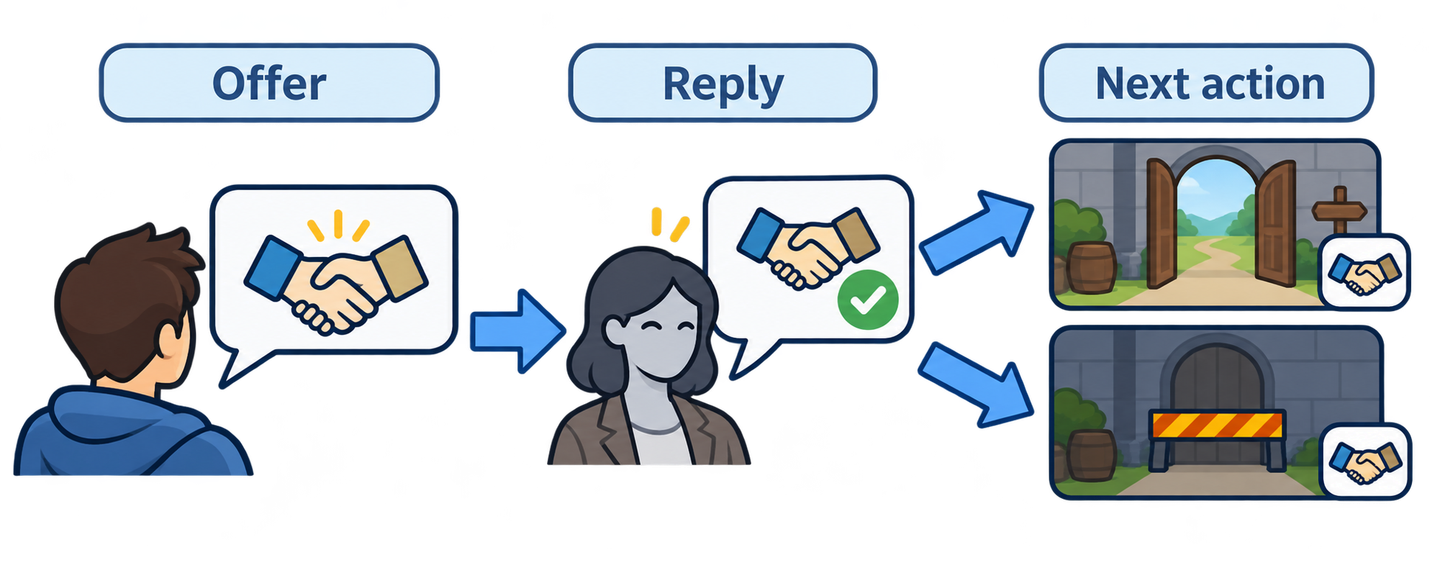
When a player's invented story branch reaches a dead end
Inspect what happens after an unexpected narrative offer before treating dialogue as a playable branch.
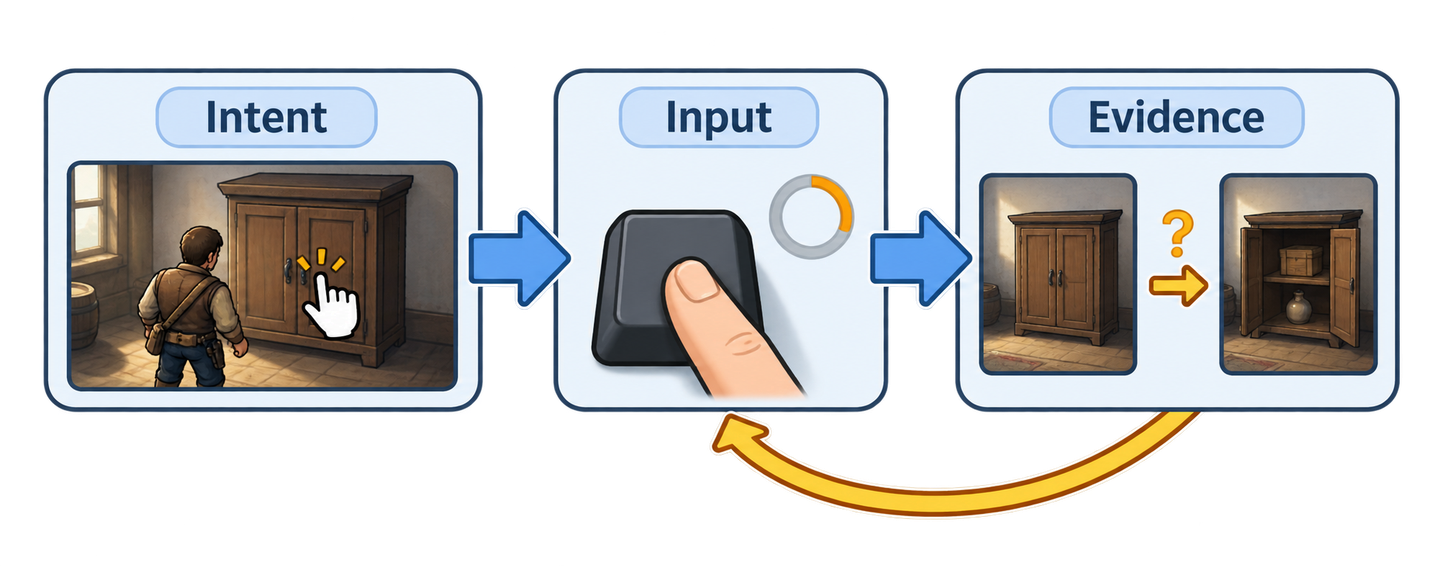
A plan needs evidence that its last action worked
Trace game-agent actions from issued input to observable consequences before repairing the planner.
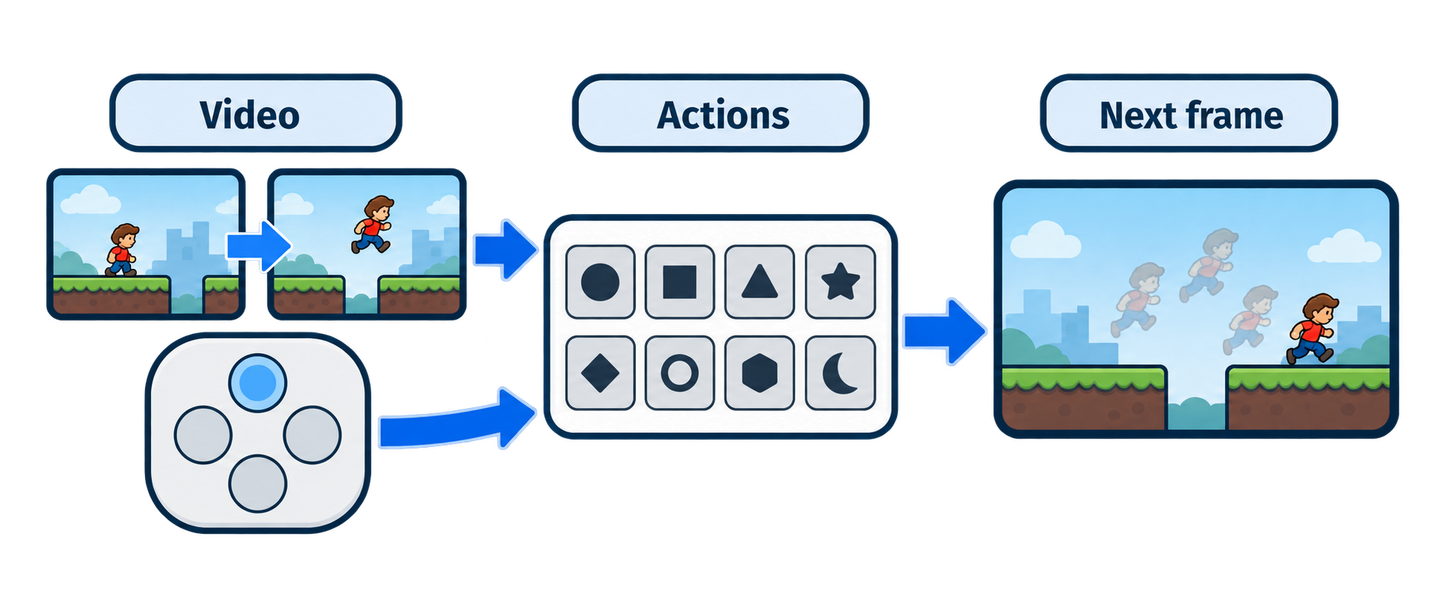
How controls can emerge from videos without action labels
Inspect a learned action's effects across scenes before giving the control a familiar name.
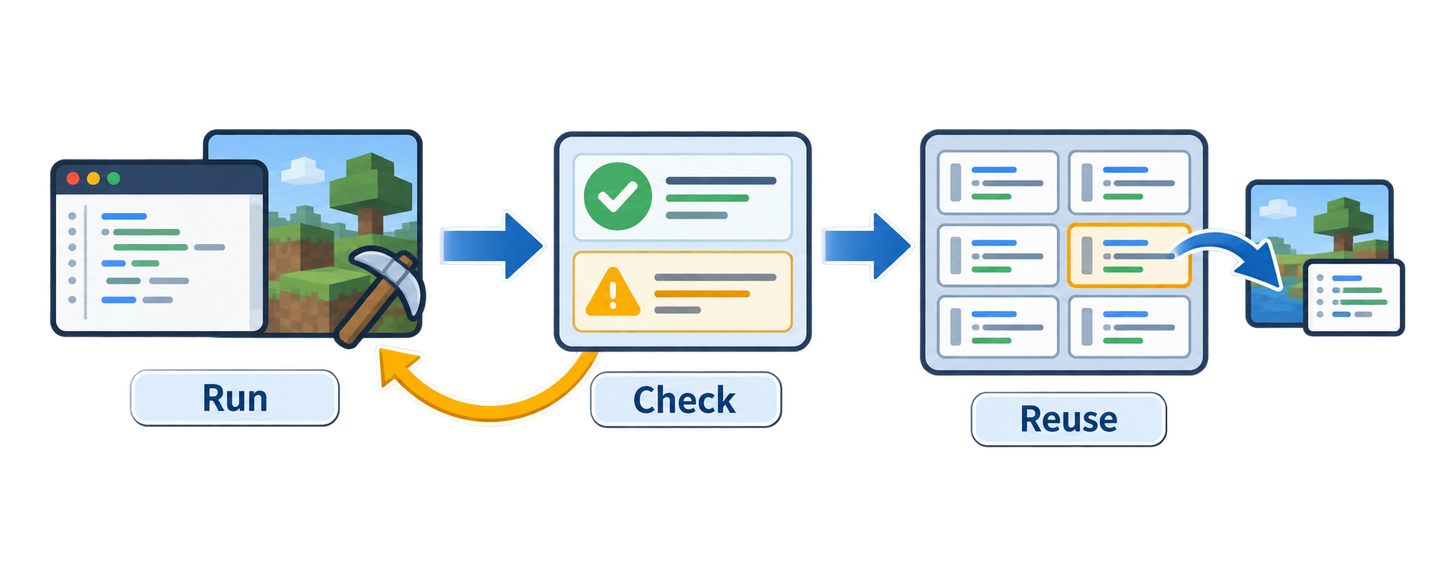
What an agent should keep after a successful task
Keep an executable routine together with the conditions and checks that justify reusing it.


