Morgan Hale
Articles by Morgan Hale
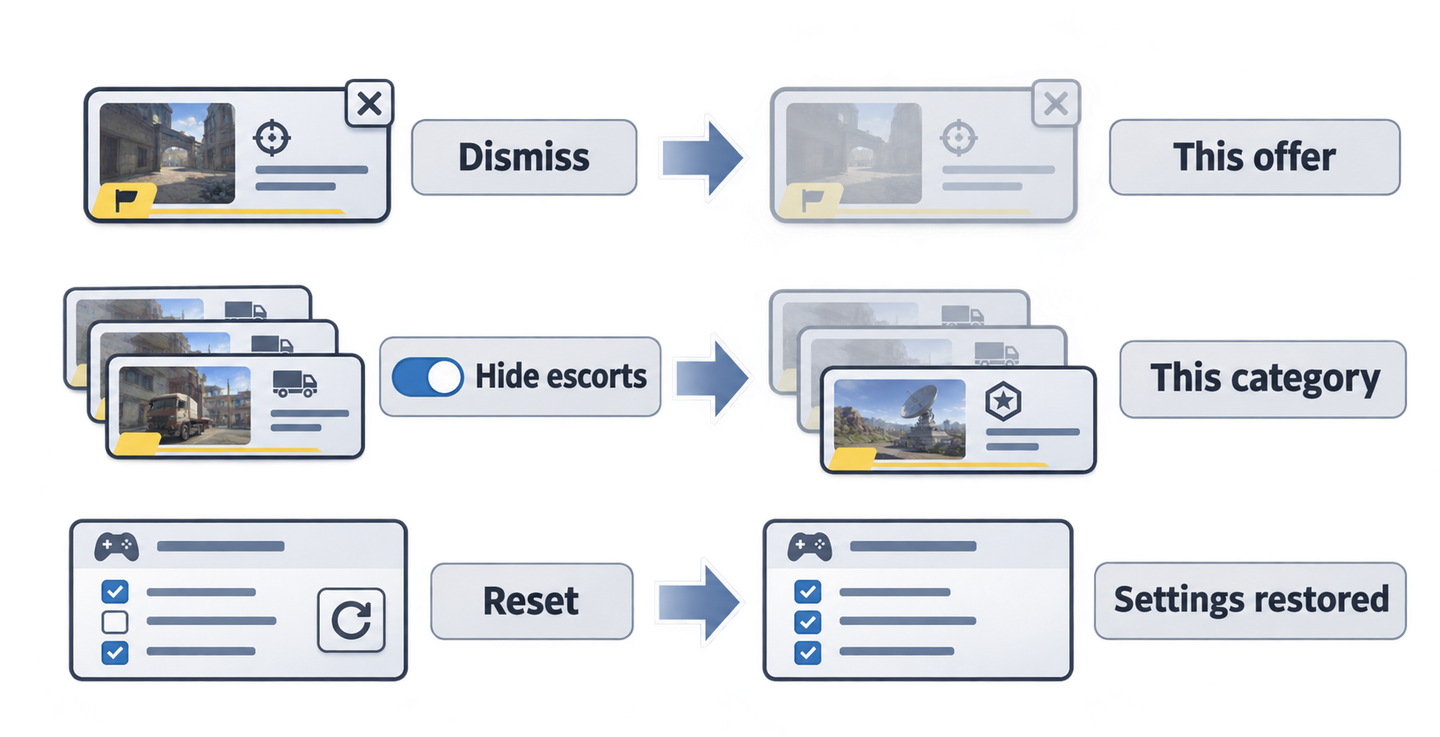
Let a rejected recommendation stay local
Rejecting one suggested mission need not rewrite a player’s preferences. Define the scope of feedback before letting it change future recommendations.
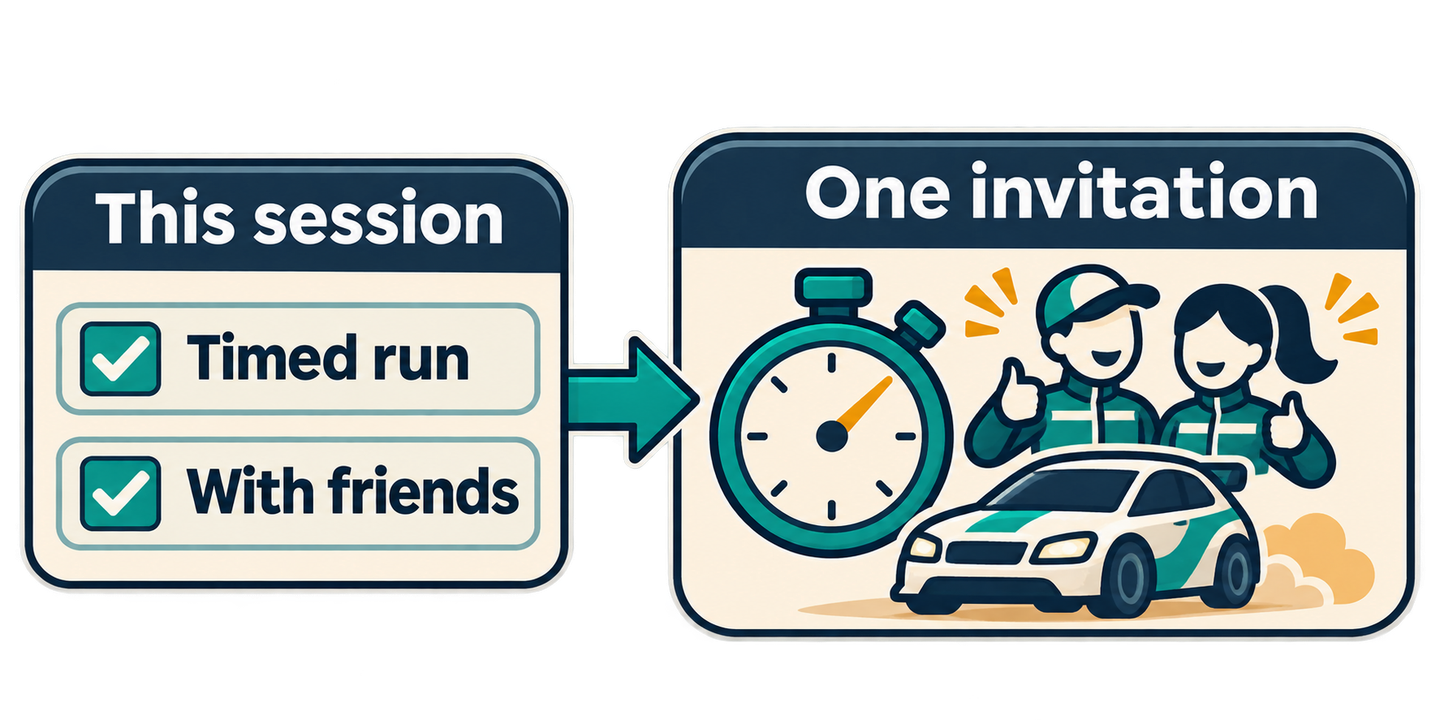
Let a session invitation include two goals
An interest in score does not cancel an interest in friends. Keep compatible session requests available before assigning players to exclusive categories.
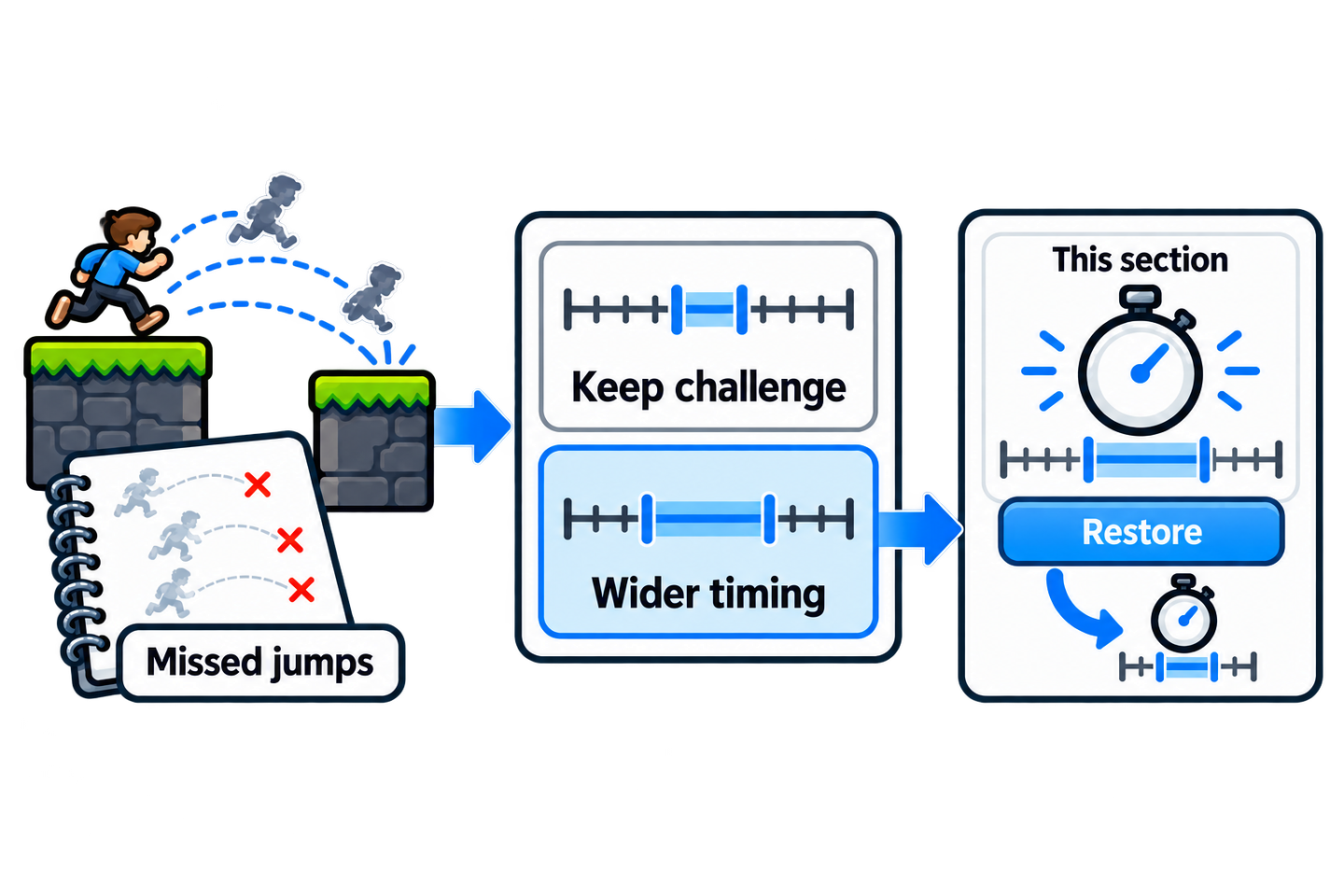
A failed jump does not choose an easier game
A missed jump records an outcome. Before a model changes the challenge, decide what evidence gives it authority to make that change.
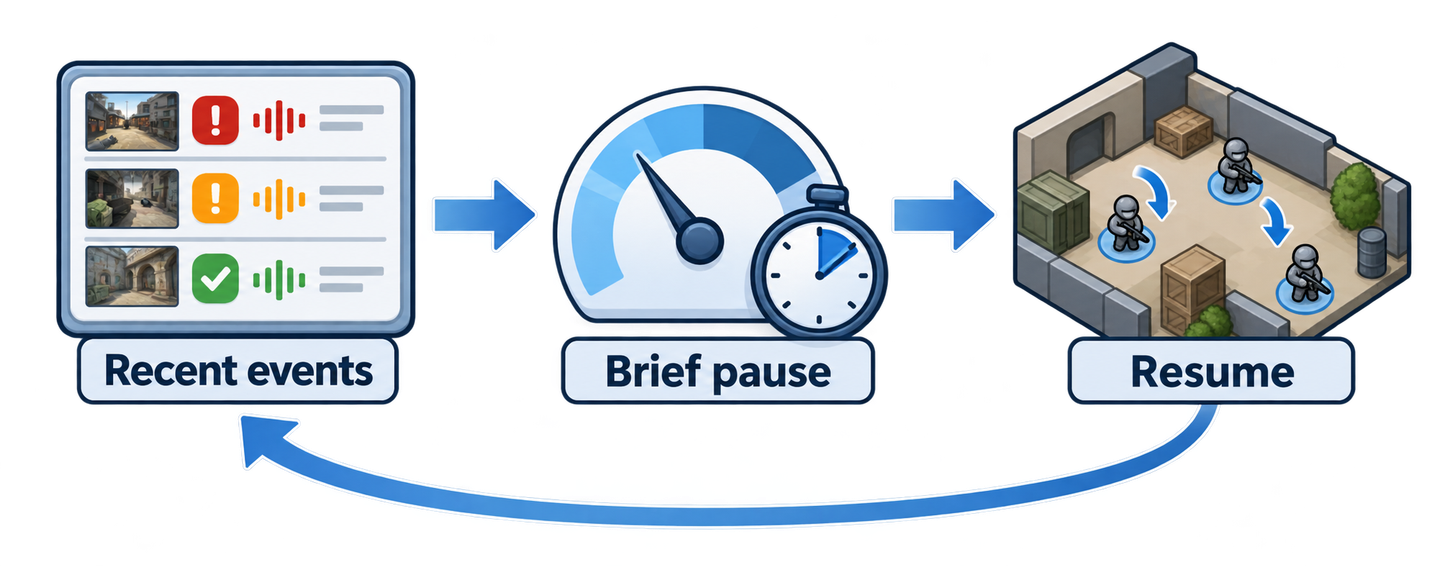
Let a temporary player signal change a temporary decision
Left 4 Dead’s pacing account offers a narrow use for a rough estimate: regulate the next encounter without claiming to know a lasting preference.
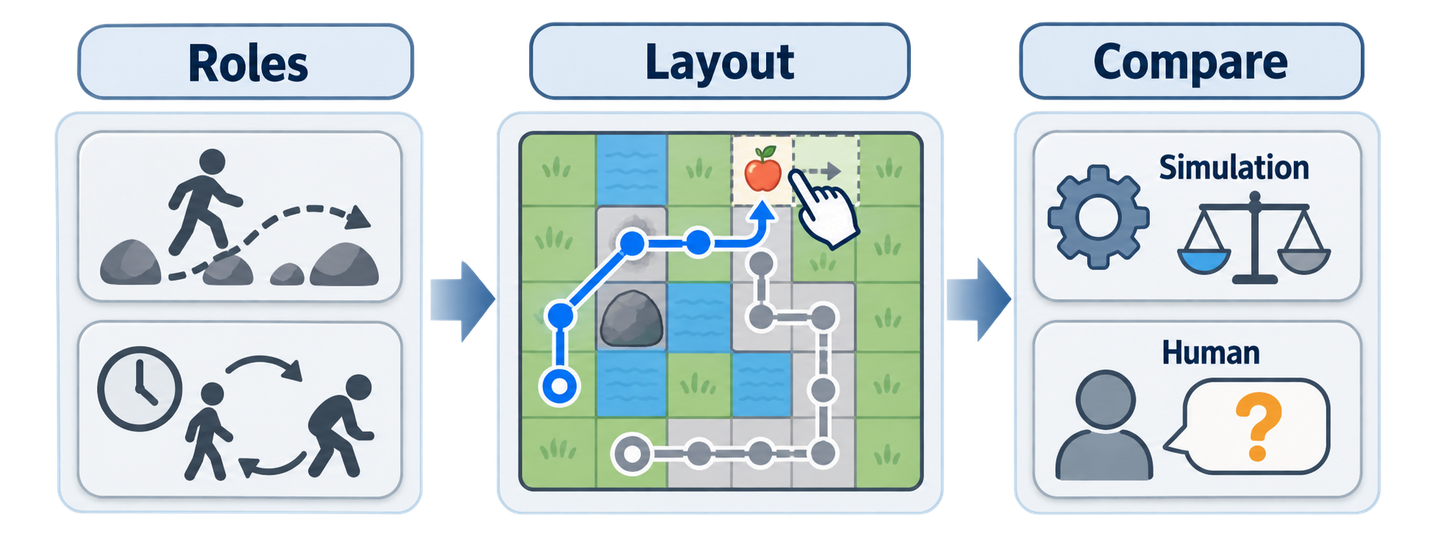
Different action capabilities may need a different level layout
Inspect layout balance under explicit action policies while preserving the separate question of human fairness.
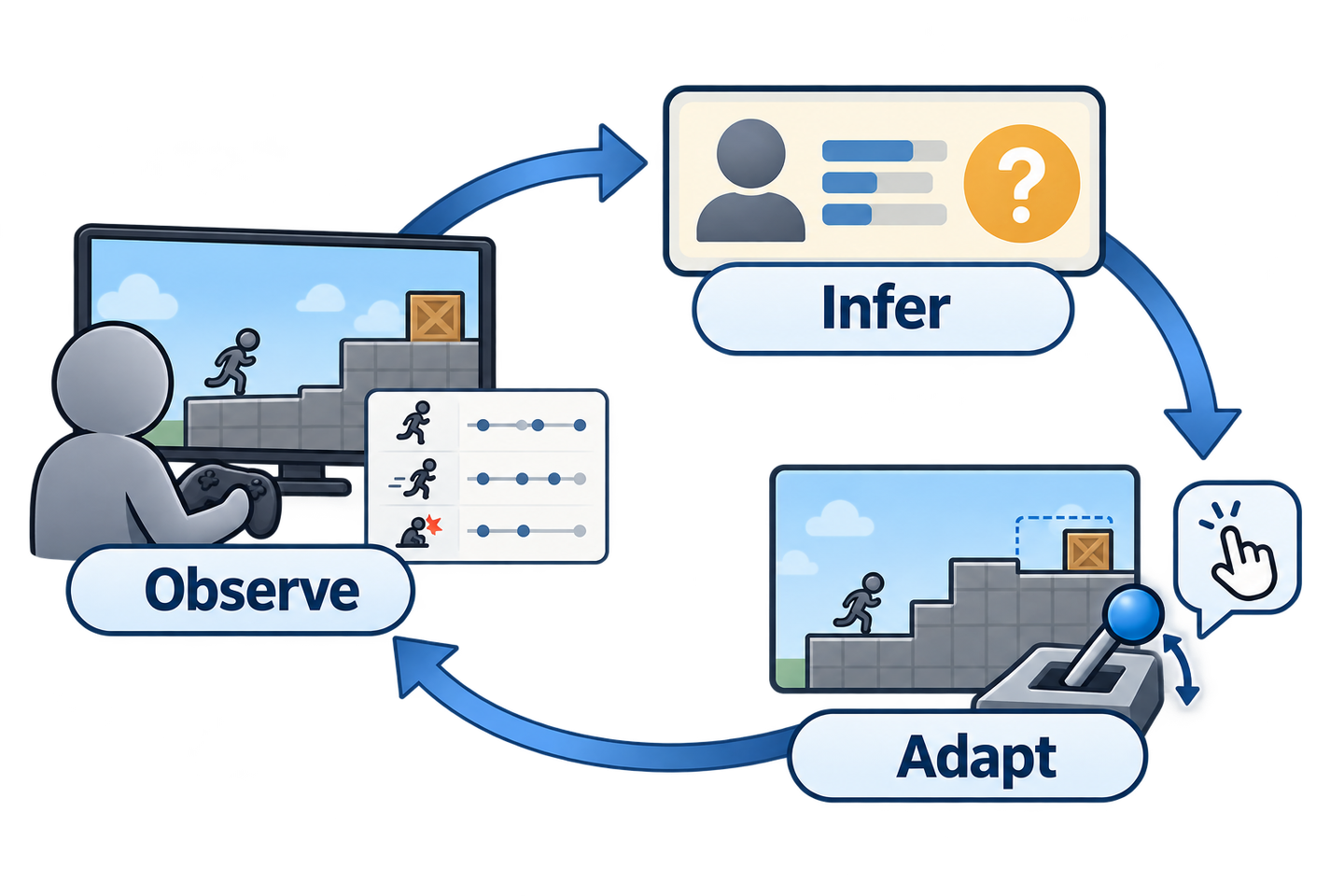
Close the loop between player evidence and game adaptation
Trace observations into an adaptation and inspect the consequences before expanding a player model.
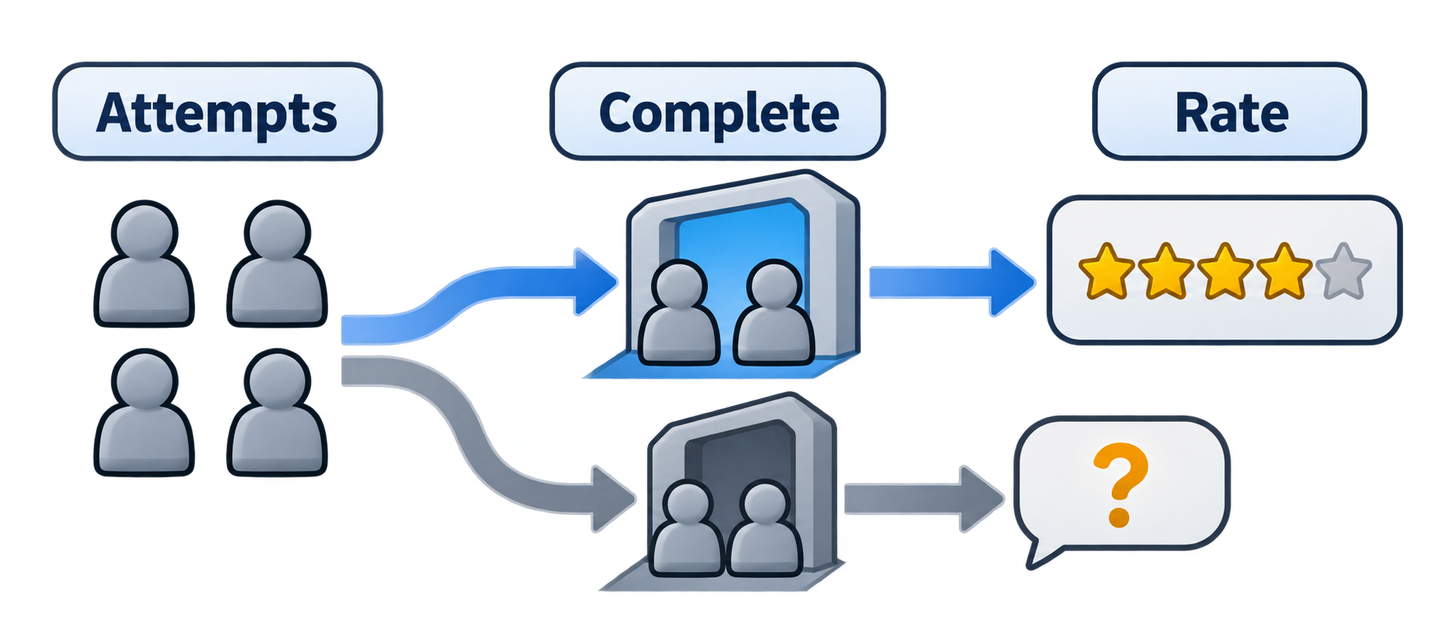
More completed levels can come with lower player ratings
Keep completion and reported experience separate when evaluating personalized levels.
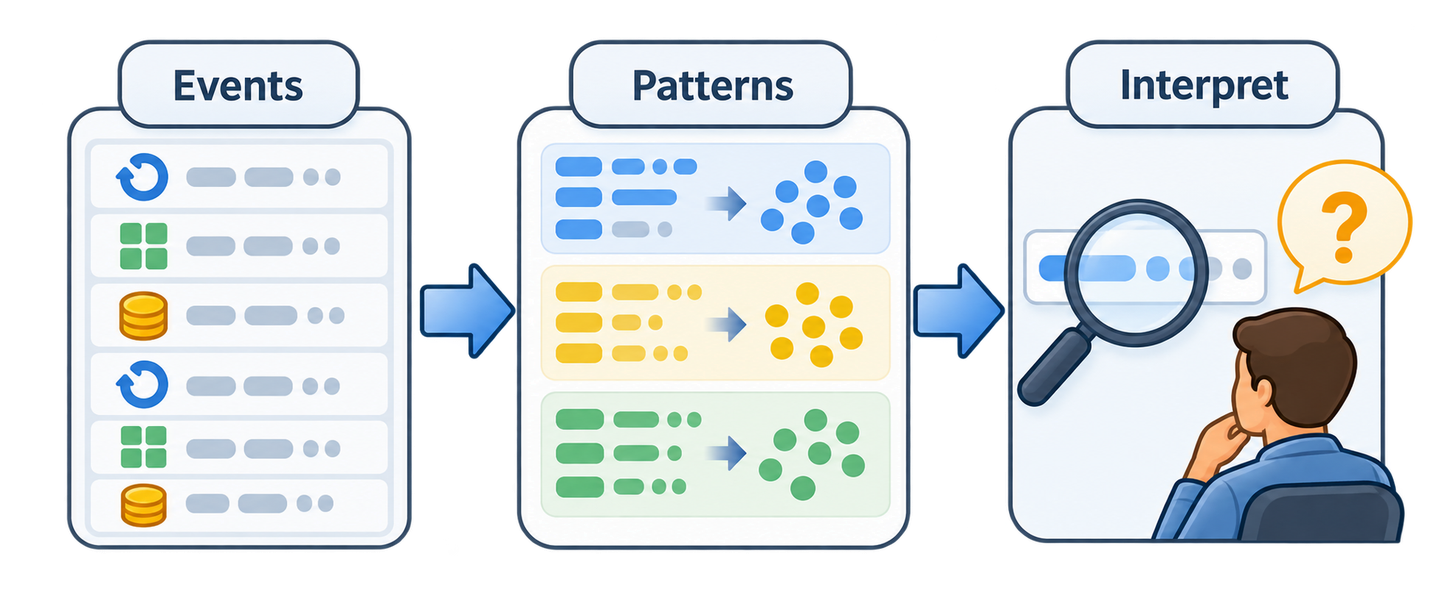
Reading gameplay events as a language
Use learned event patterns to investigate a design question while keeping player labels and intervention decisions open to challenge.
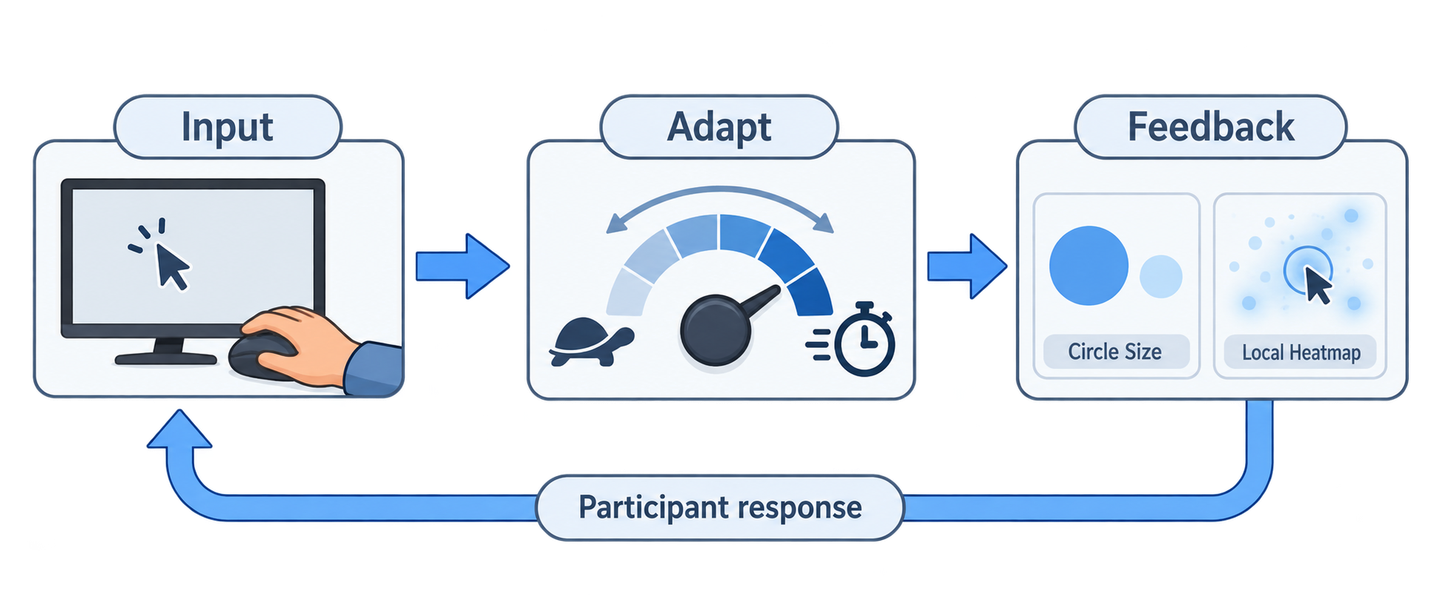
Players adapt to how quickly the AI adapts
Record adaptation speed and displayed feedback before interpreting player behavior as a stable preference.


