Holland Lee
Articles by Holland Lee
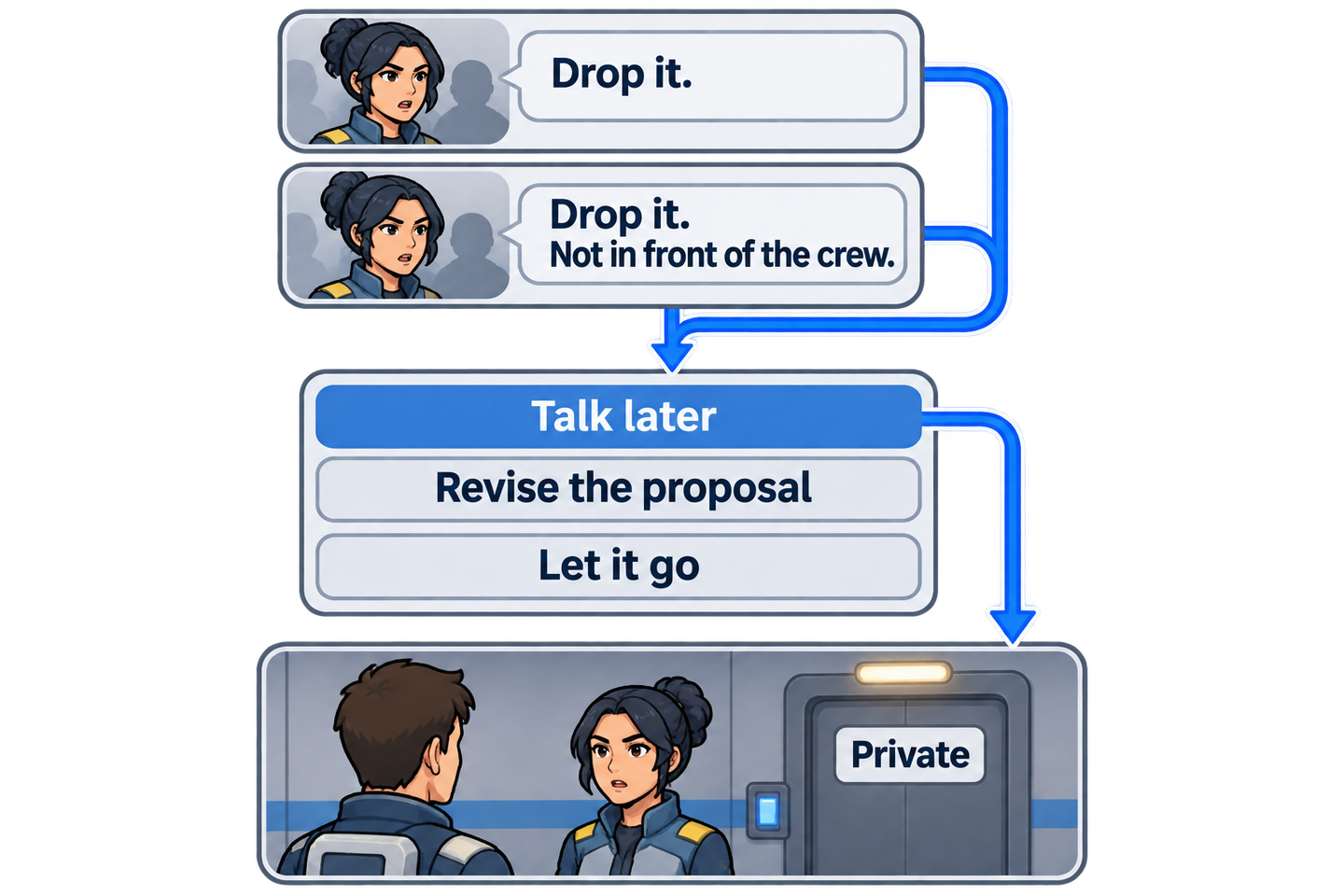
Show What the Refusal Is About
In Prom Week, a believable rejection could still leave players unsure what to do next. A short dialogue exercise asks what players think the crewmate objected to and what they expect their next choice to change.
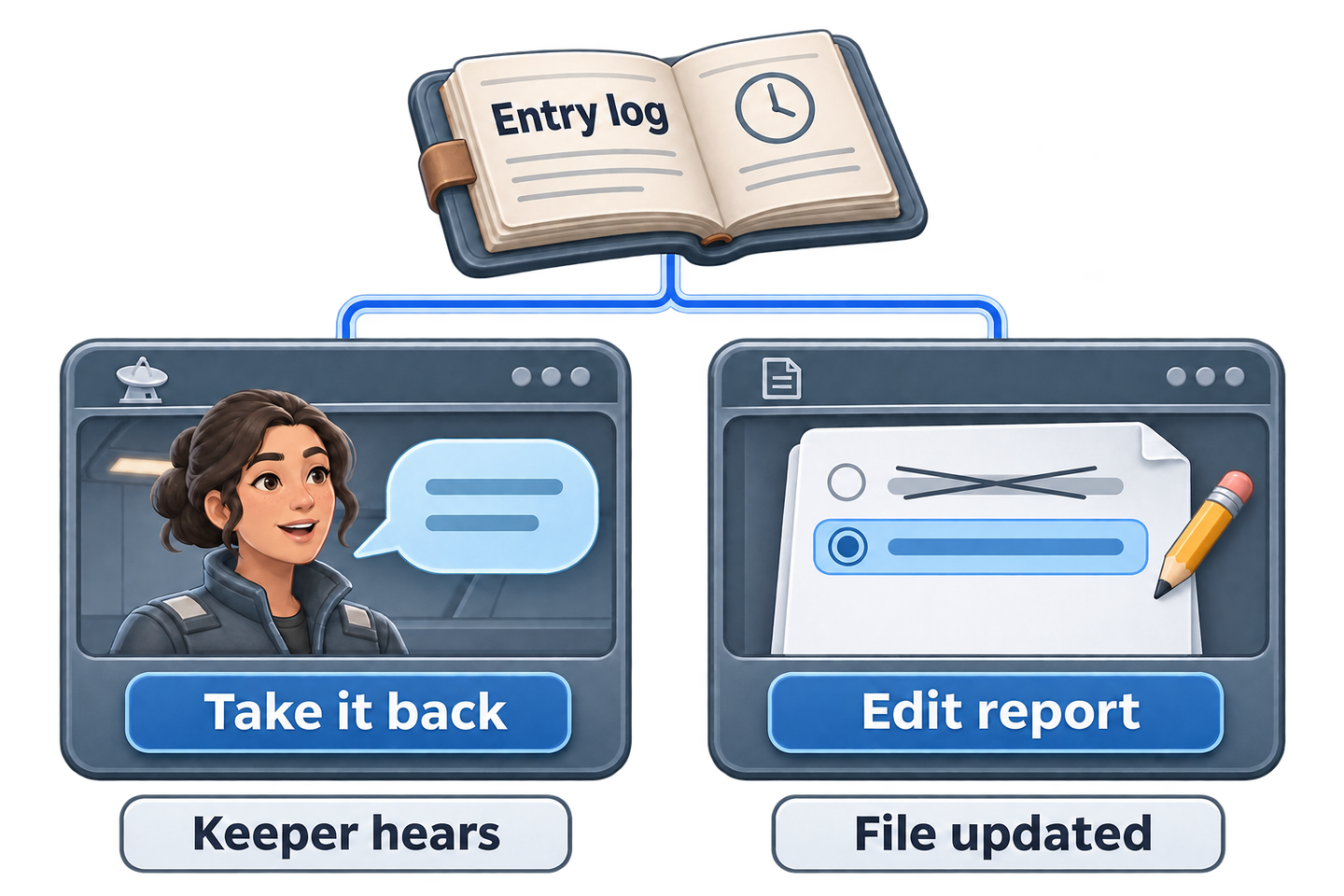
Cut the conversation, keep the retraction
A smaller suspect interview can still let the player make and withdraw a claim. Emily Short’s advice on narrowing conversations gives a team a way to decide which responses it can stop writing.
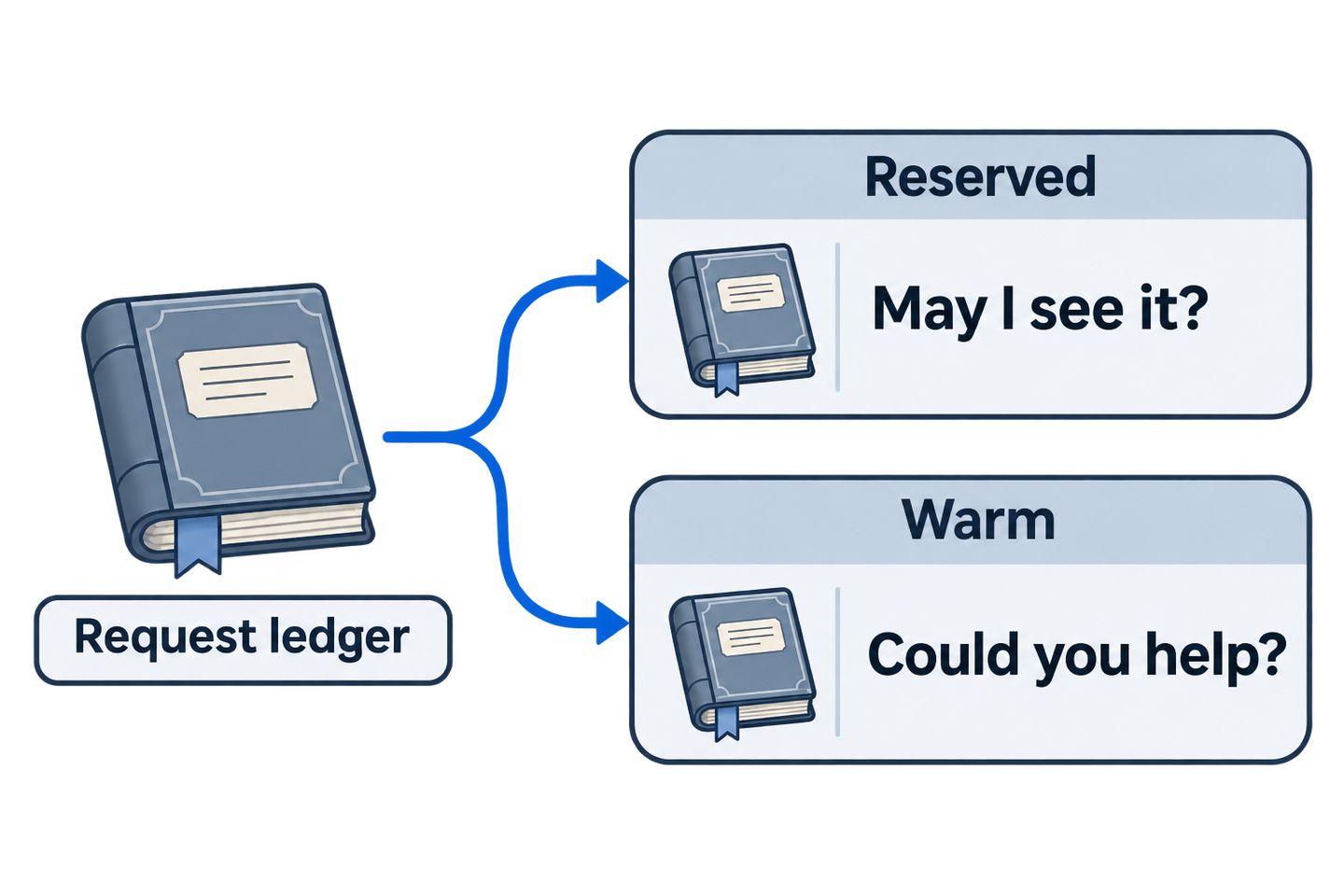
Keep the request when the dialogue style changes
Filtering dialogue for a character’s social style should preserve the acts the player needs to perform. Inspect missing intentions alongside the wording that remains.
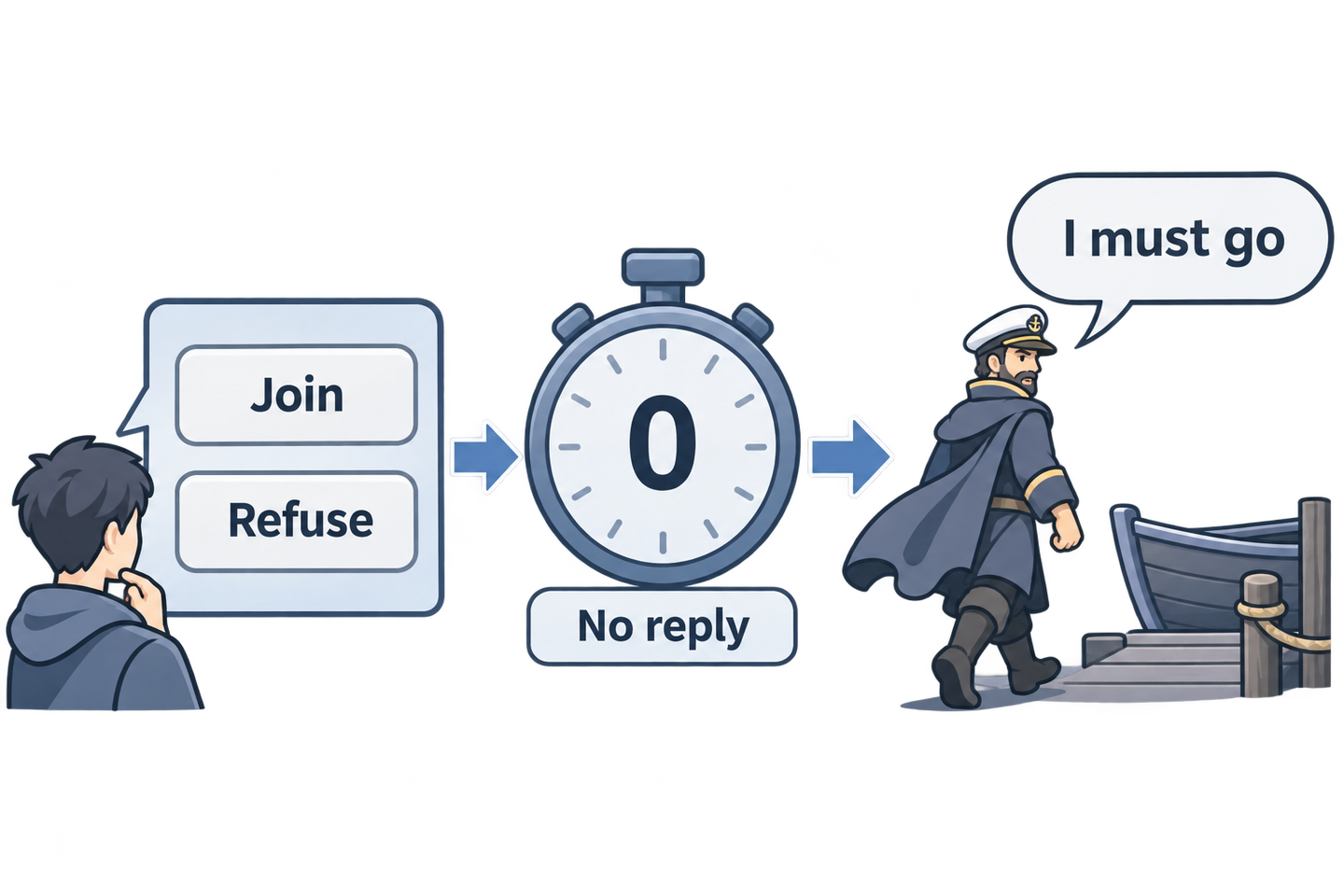
A dialogue timeout should say what silence means
When a dialogue timer expires, the game may turn unfinished reading into a social act. Define that act before using a countdown to add pressure.
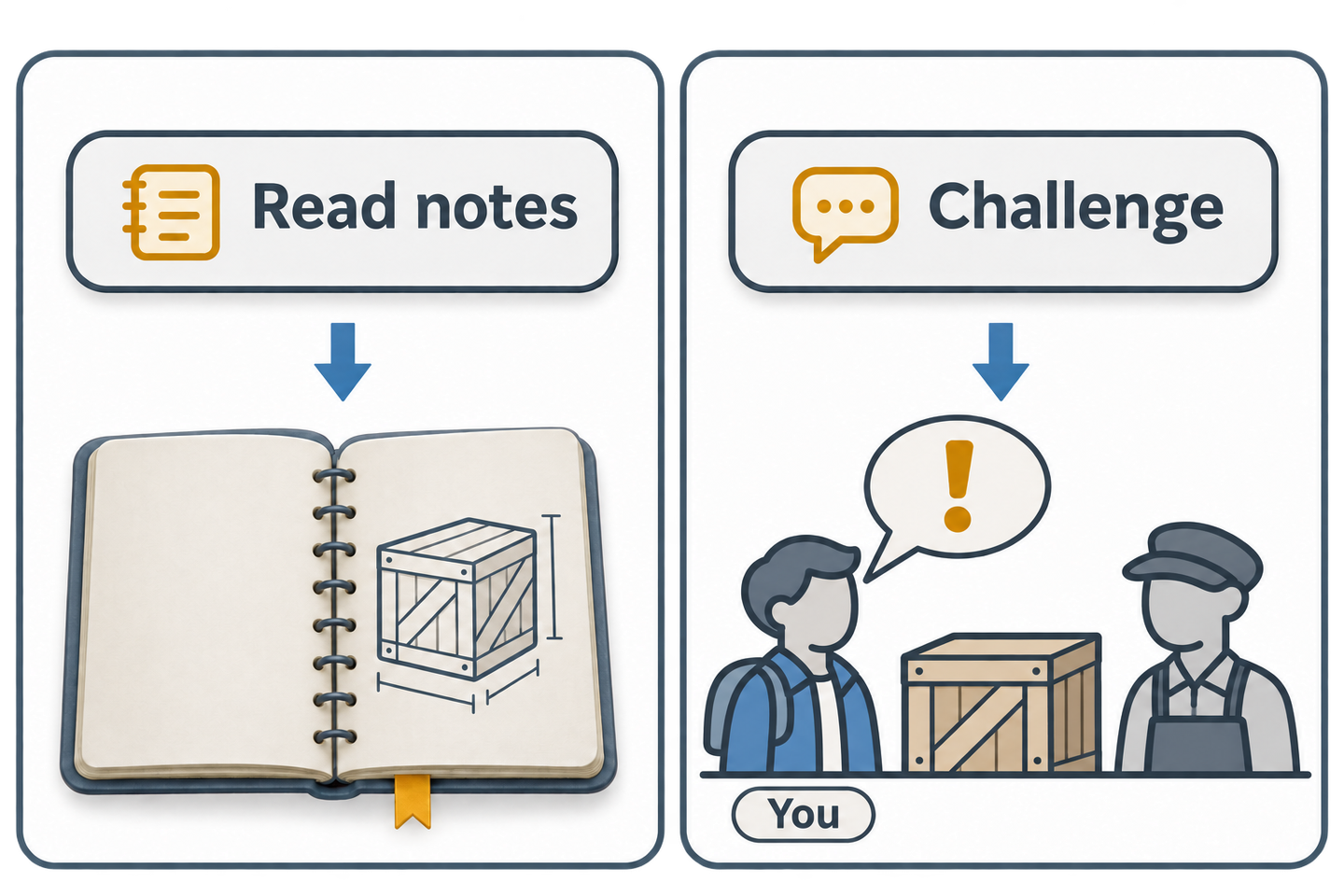
Tell the player what a dialogue choice does
A topic label can hide whether the player is reading background or making an accusation. Separate those actions when the scene depends on a deliberate commitment.
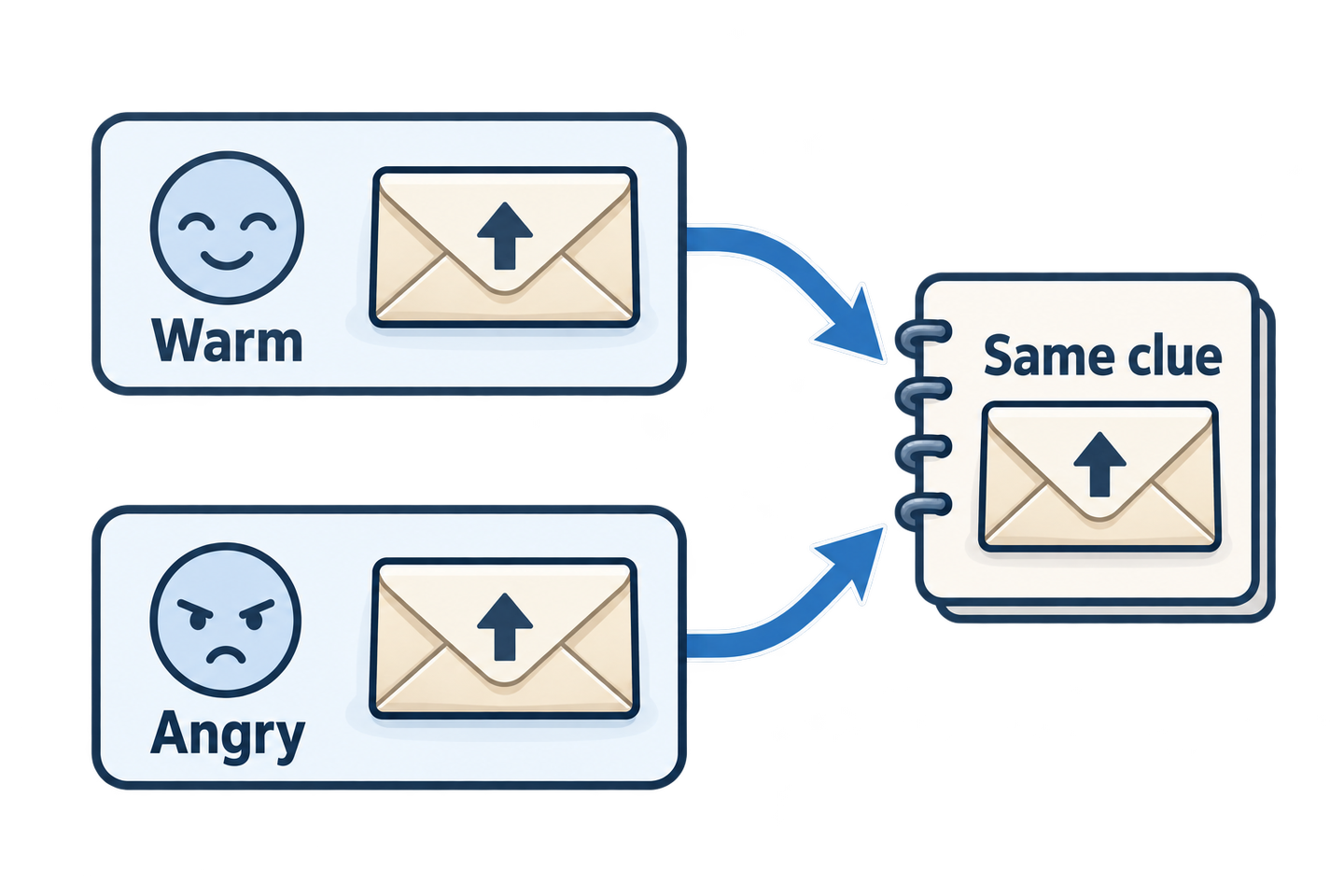
An angry witness can still give the clue
Decide whether a character’s mood changes the response or controls access to evidence, then author the conversation around that promise.
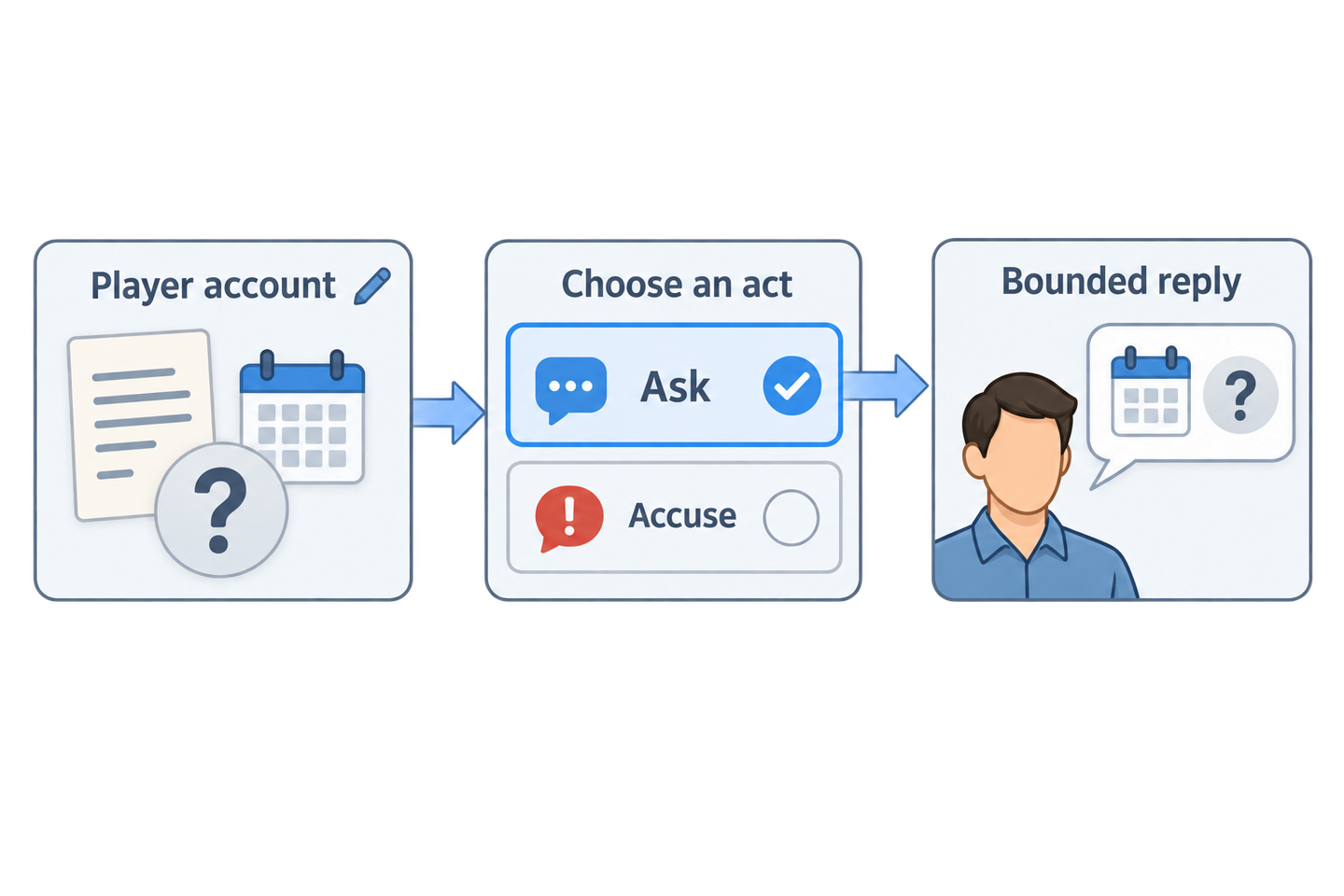
Let the player state a theory before the NPC answers
A small editable account can connect a player’s interpretation to a character response without treating that interpretation as established fact.
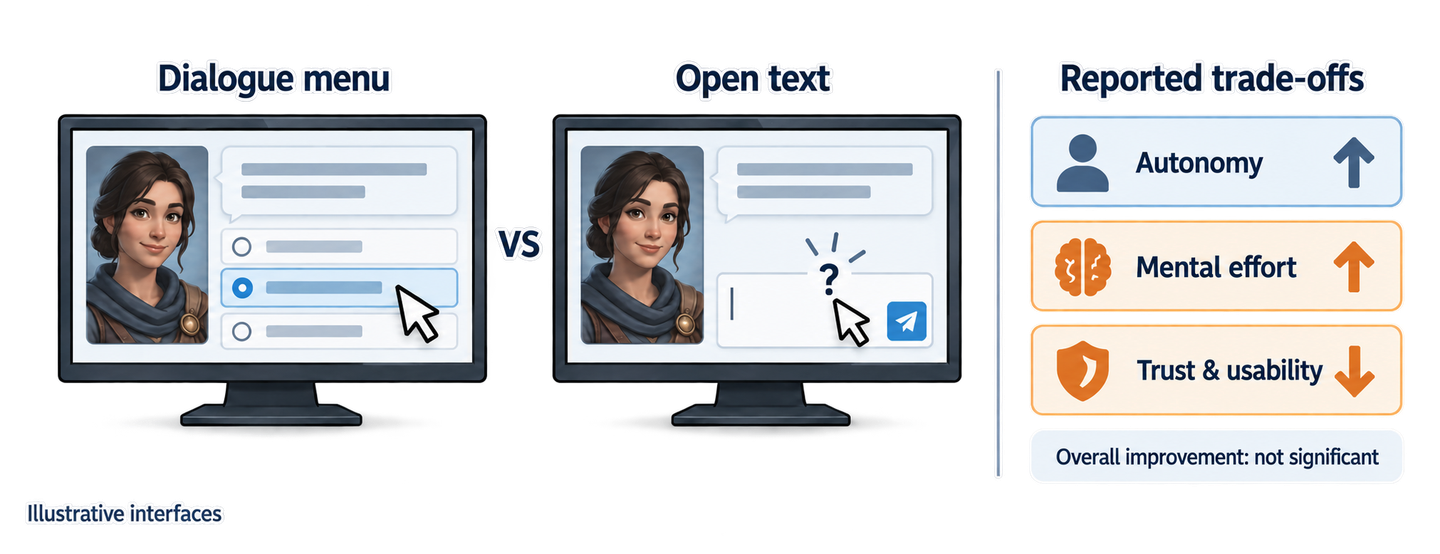
What changes when players can ask an NPC anything?
An LLM-NPC study reports more autonomy alongside more effort and lower trust.
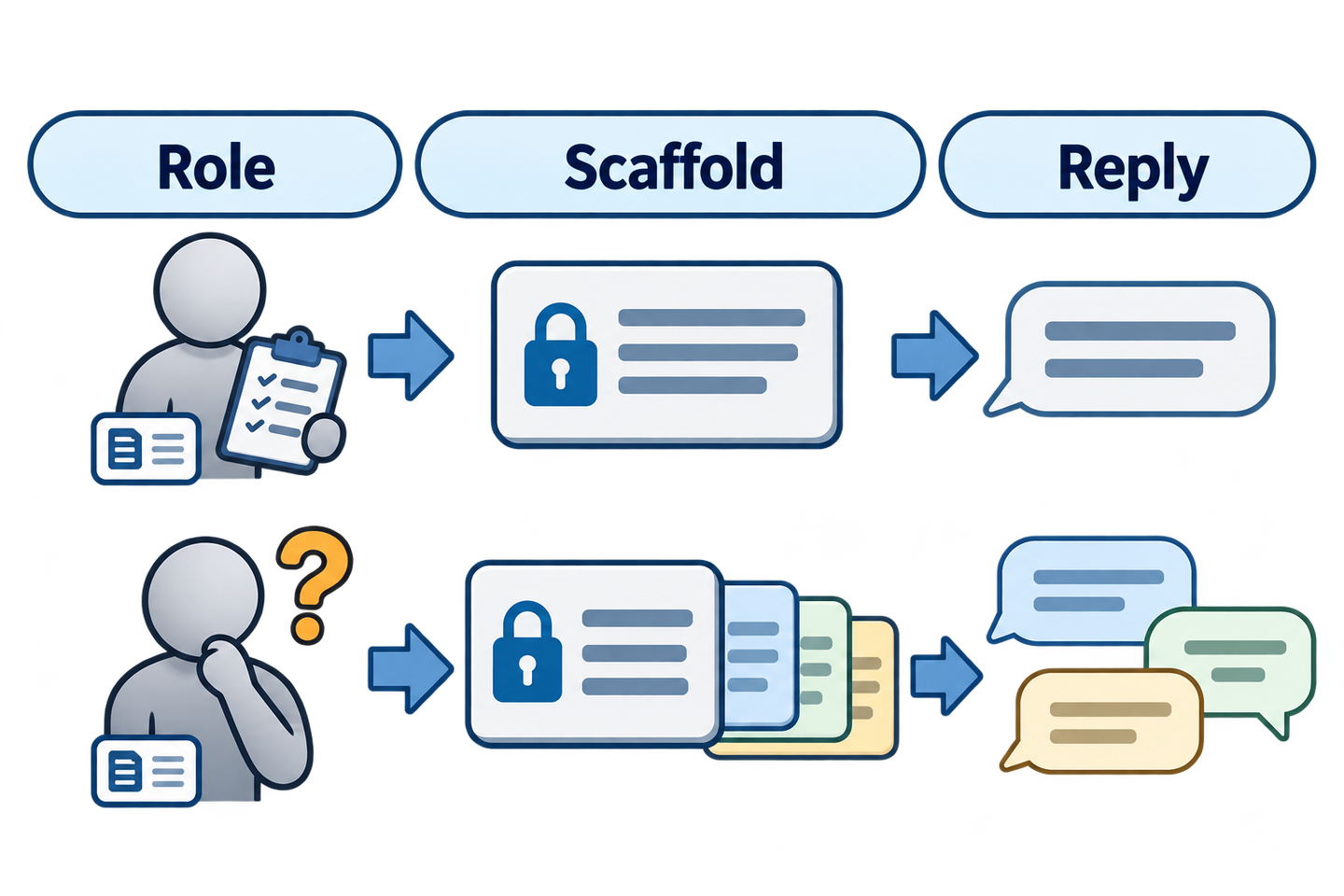
A quest giver and a suspect may need different dialogue constraints
Choose dialogue constraints around the social act each character needs to support.
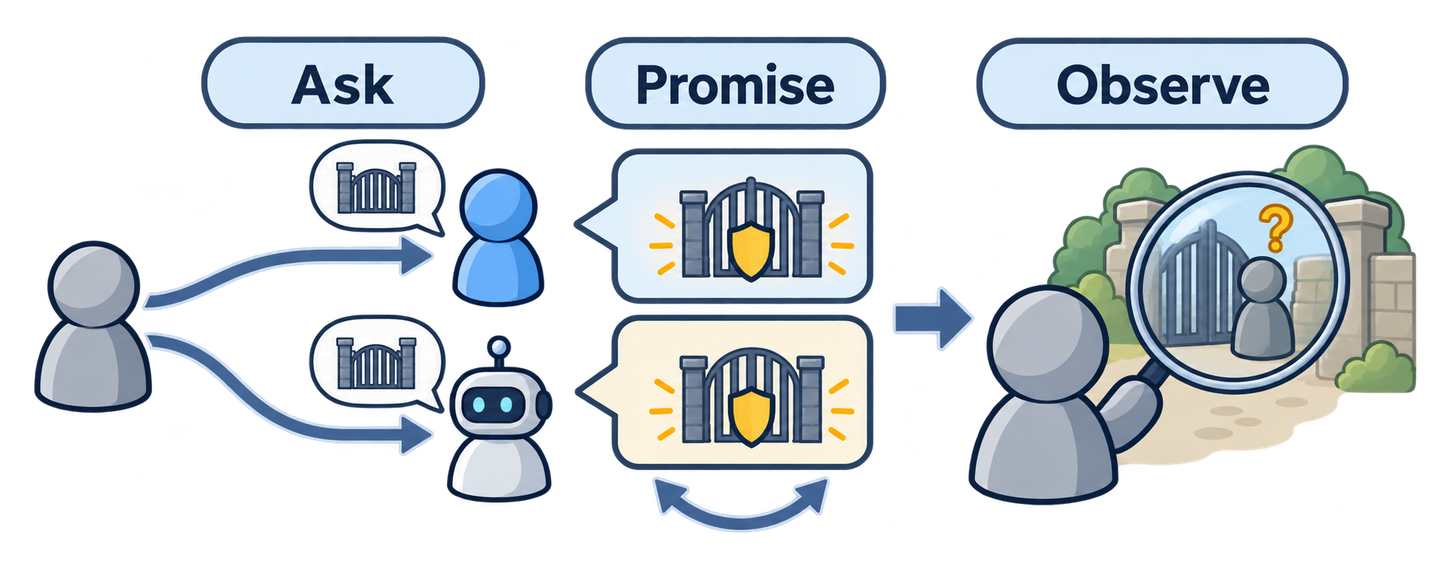
A partner's promises and behavior shape whom players trust
Keep a companion’s identity, promise and follow-through distinguishable when designing a social choice.
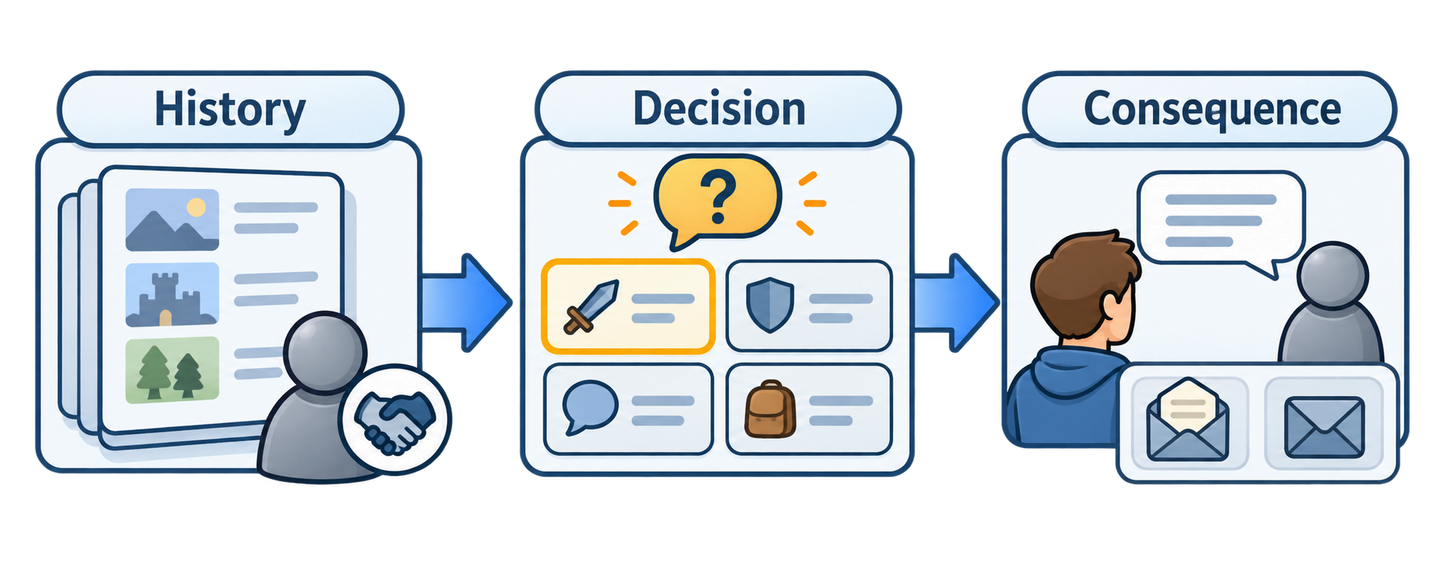
A believable voice does not specify a character's next decision
Inspect a character’s choices against relevant history before evaluating the voice that expresses them.
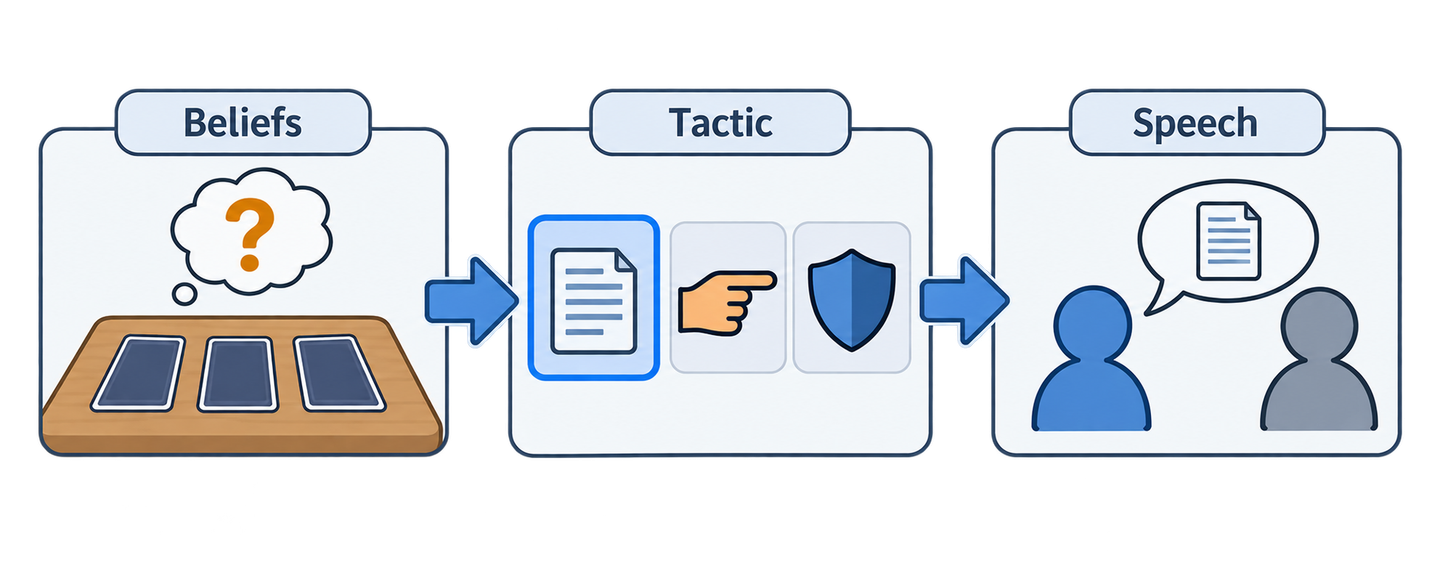
A character's speech needs a strategy behind it
Give a social-deduction character a purpose for speaking, then inspect what its statement lets the listener do.
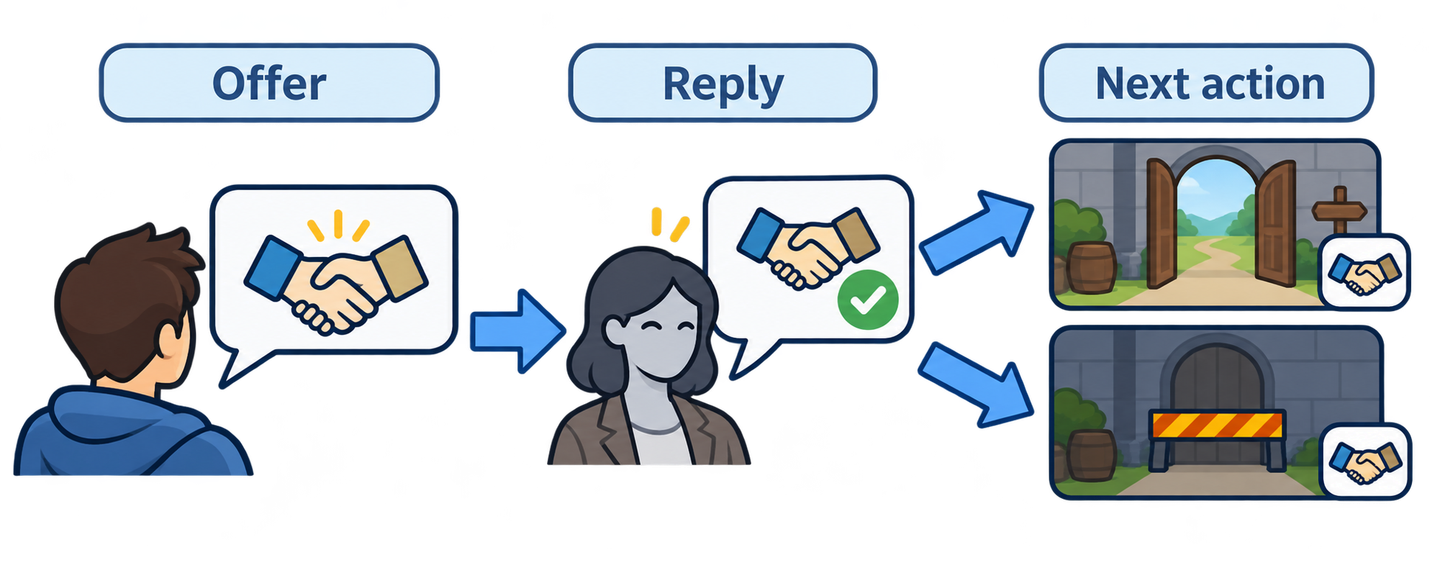
When a player's invented story branch reaches a dead end
Inspect what happens after an unexpected narrative offer before treating dialogue as a playable branch.


