Alex Rowan
Articles by Alex Rowan
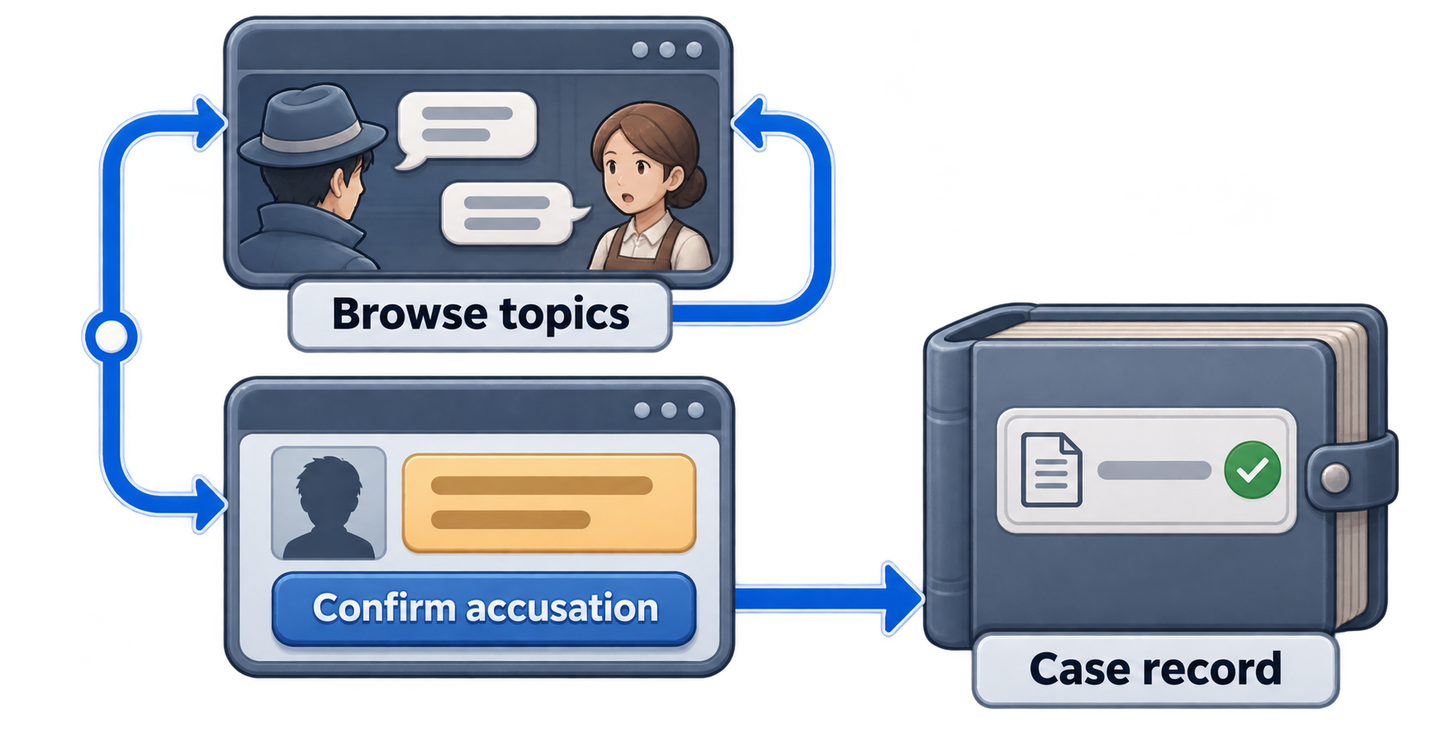
Separating Casual Dialogue Browsing from Binding Story Commitments
Recording every conversational exchange into permanent narrative state penalizes exploratory play. By combining unaddressed weave structures, stitch-scoped temporary variables, and explicit multi-valued lists, narrative designers can let players freely browse dialogue branches while reserving durable state changes for deliberate commitments.
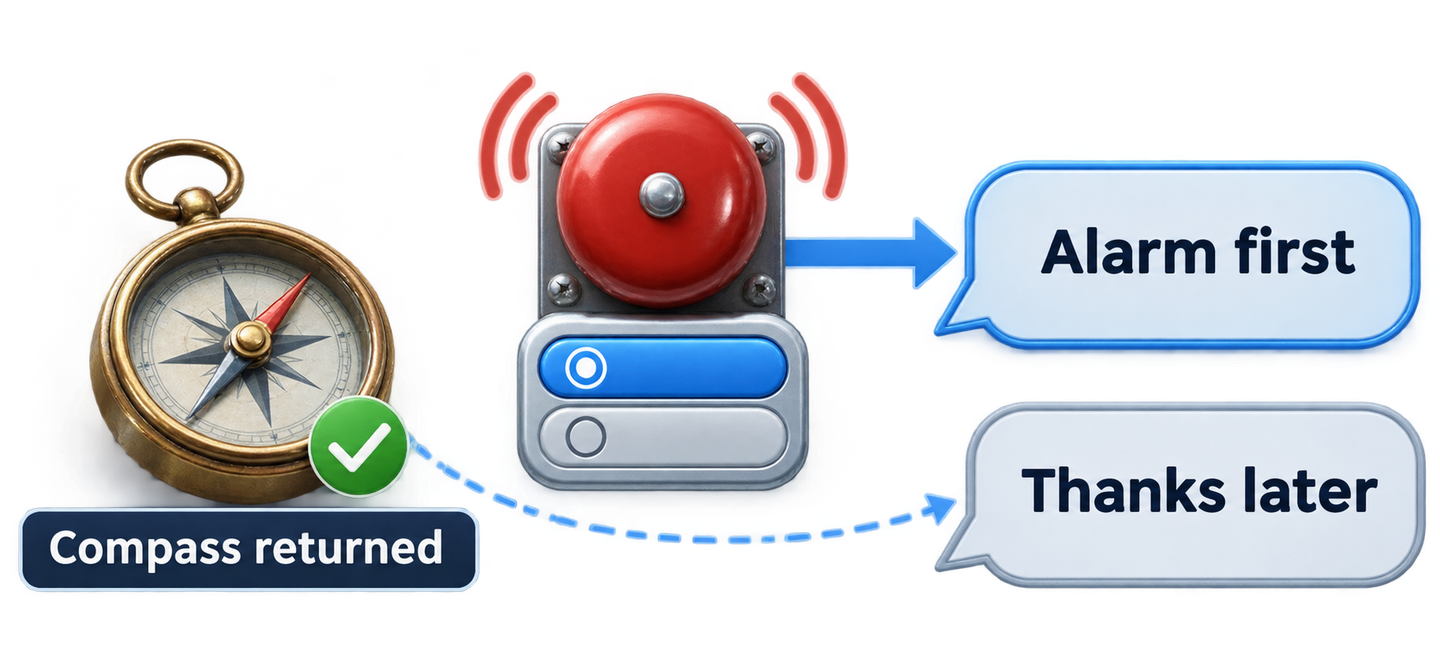
Two true memories can compete for one reply
A character may have several valid things to remember. Decide which one deserves the next line without erasing the rest.
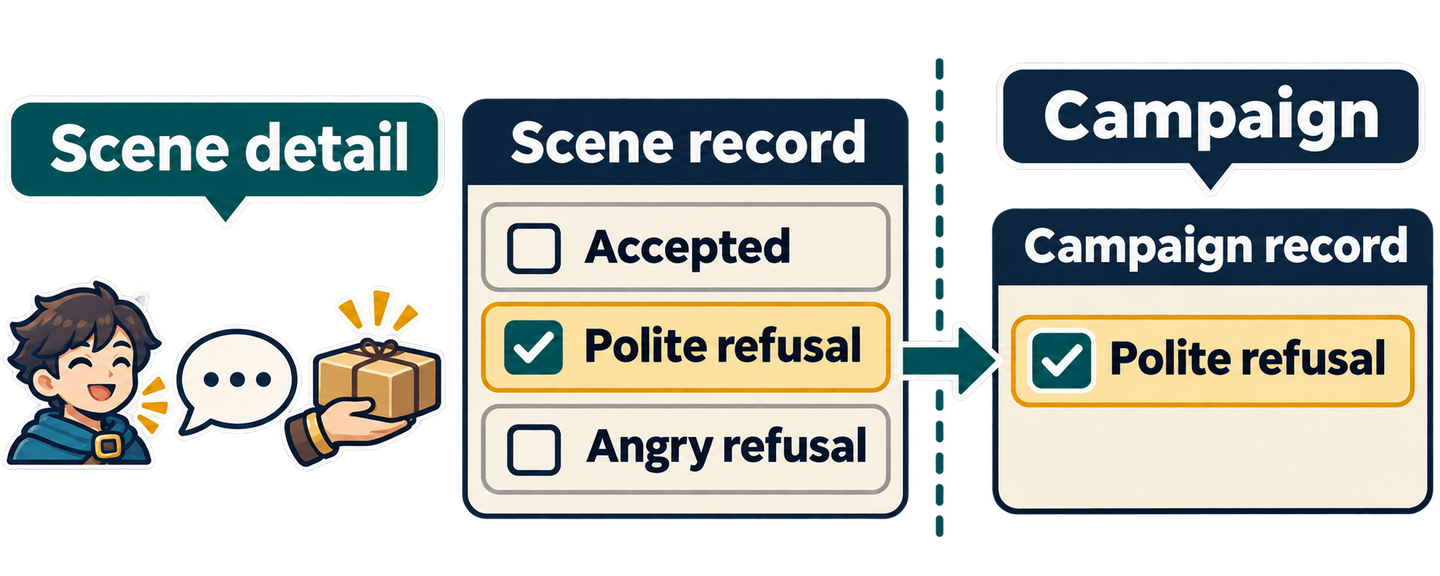
Let a scene end without carrying every gesture
A scene can track small reactions without giving each one permanent authority over a campaign. Decide what the scene commits before carrying its state forward.
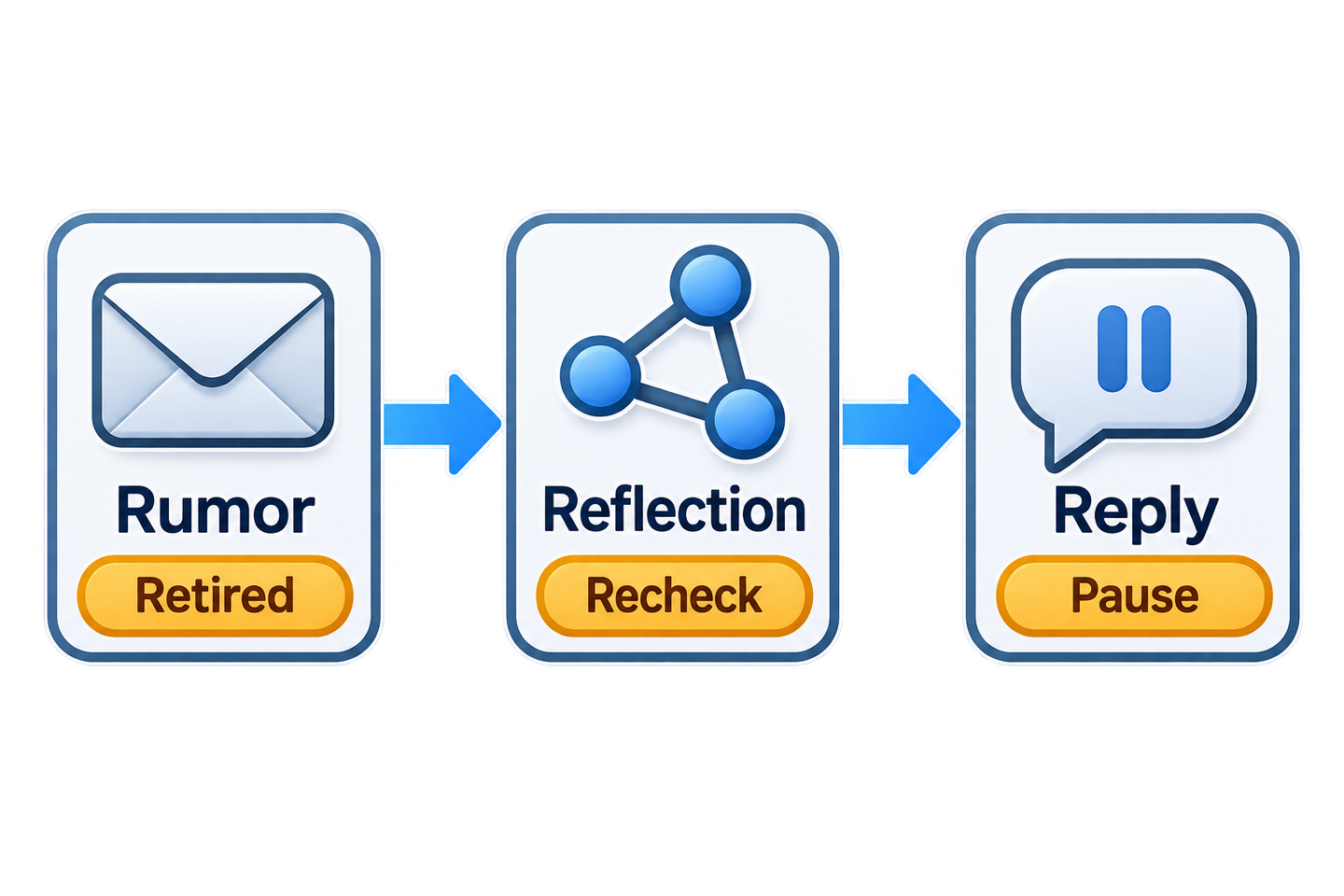
A forgotten event can survive in a reflection
When a game retires a character memory, trace the conclusions that still depend on it before promising that the character has forgotten.

A repaired bridge can leave an outdated witness
Keep the bridge’s current condition separate from an earlier report and from what a particular character has learned.
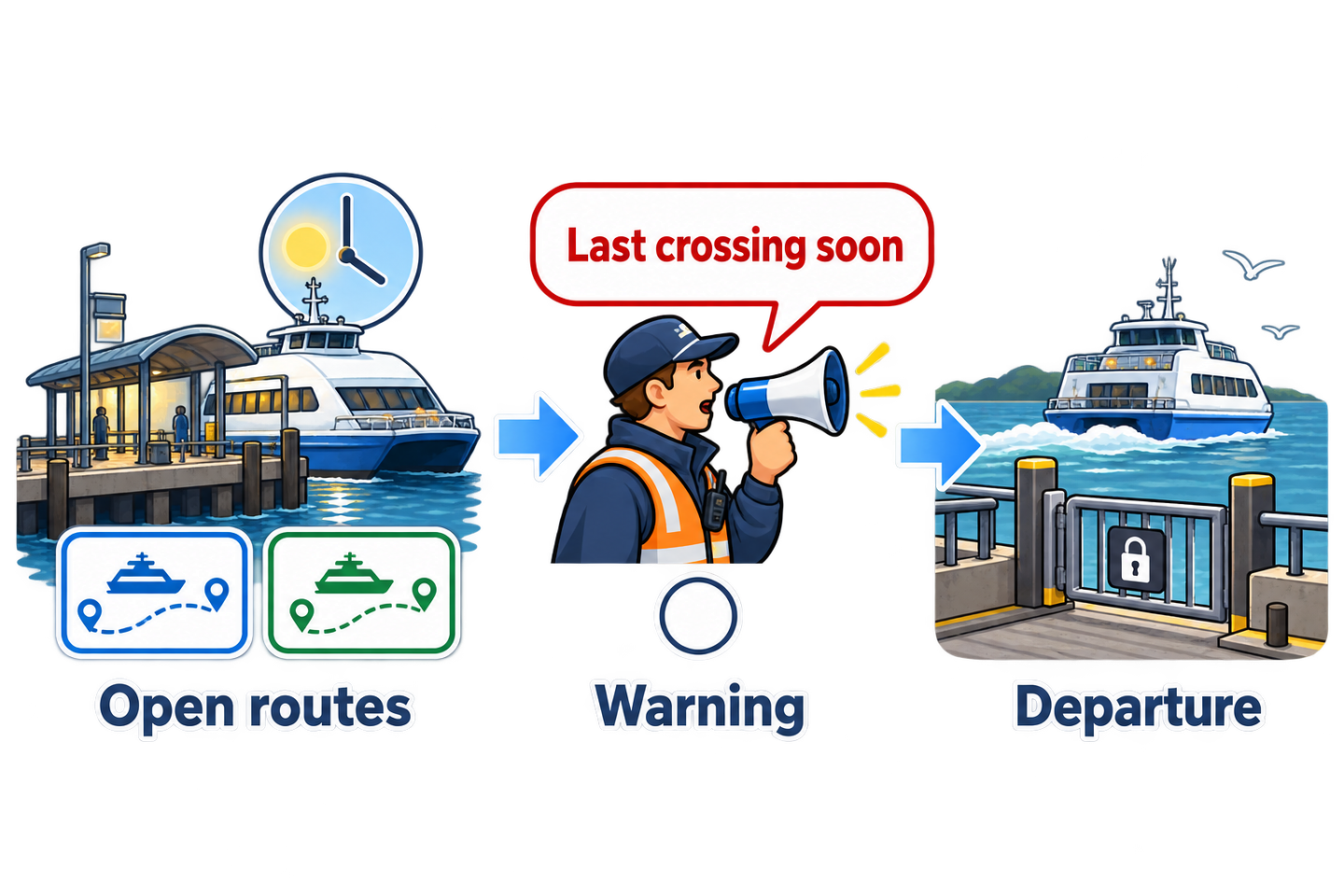
Let the player see a route is about to close
A warning can make an approaching story consequence understandable while leaving the player free to choose.
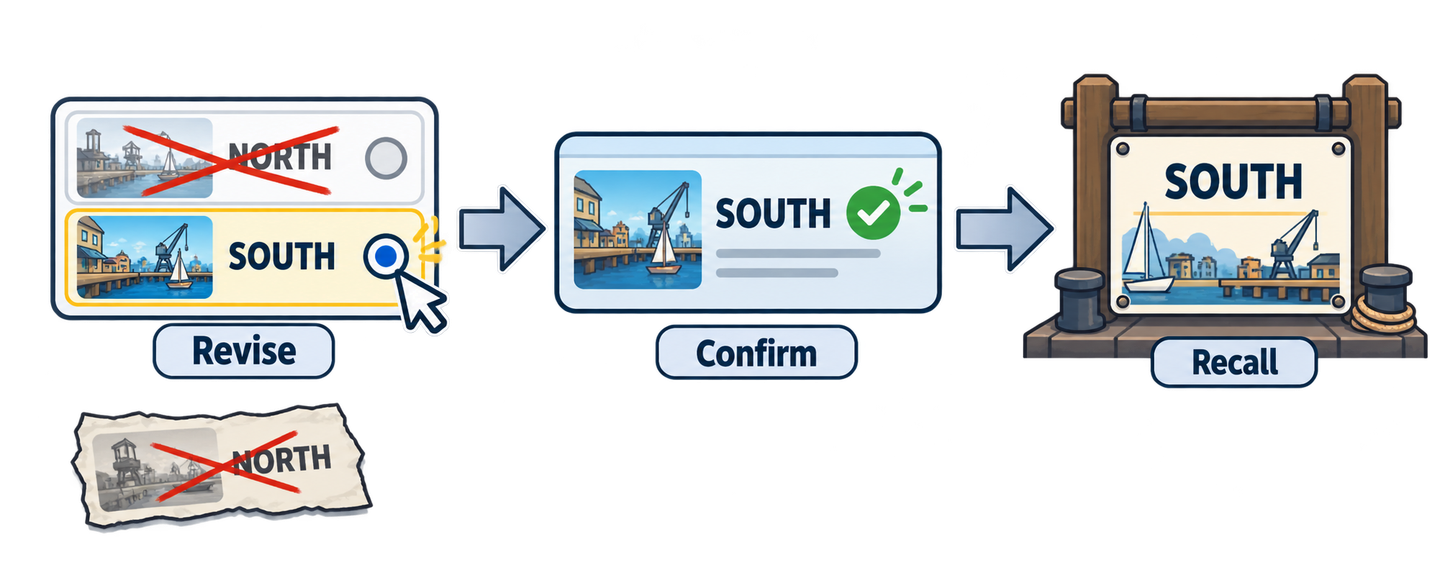
Remember the choice the player confirmed
A later callback should read the player’s current commitment, with clear rules for revising it and preserving events that already happened.
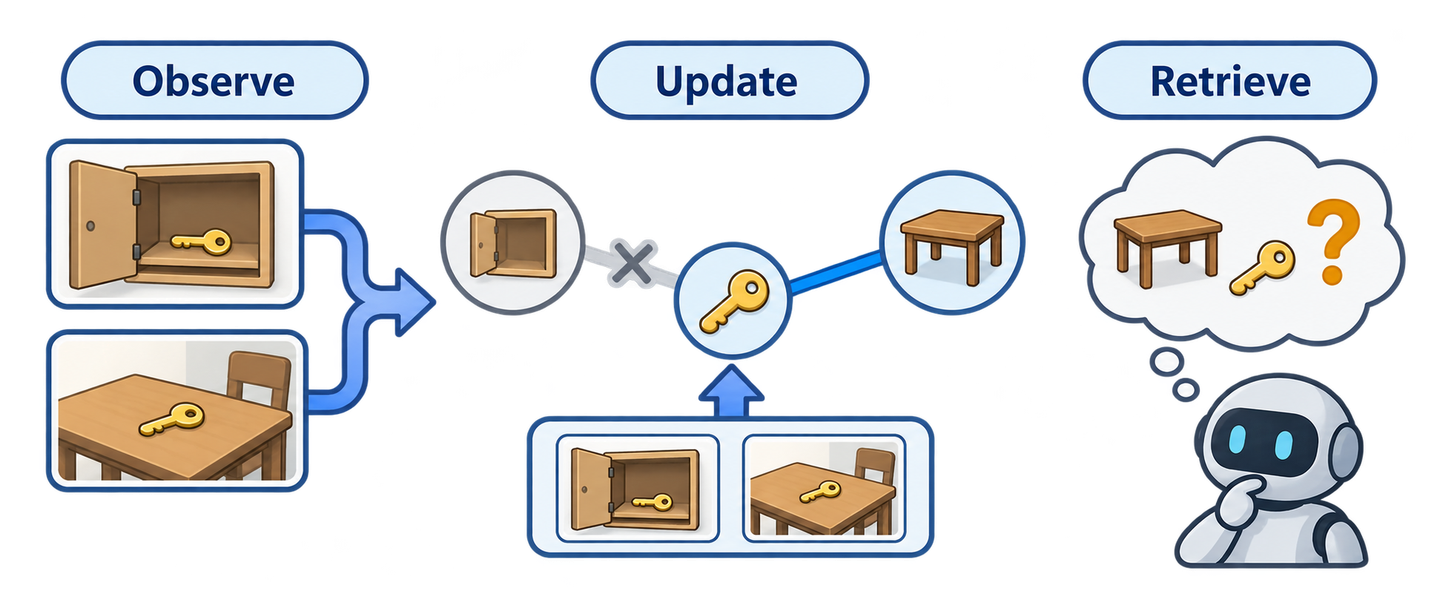
Keep a remembered fact connected to the observation behind it
Trace a remembered relation to its observation and correction before letting it guide a later action.
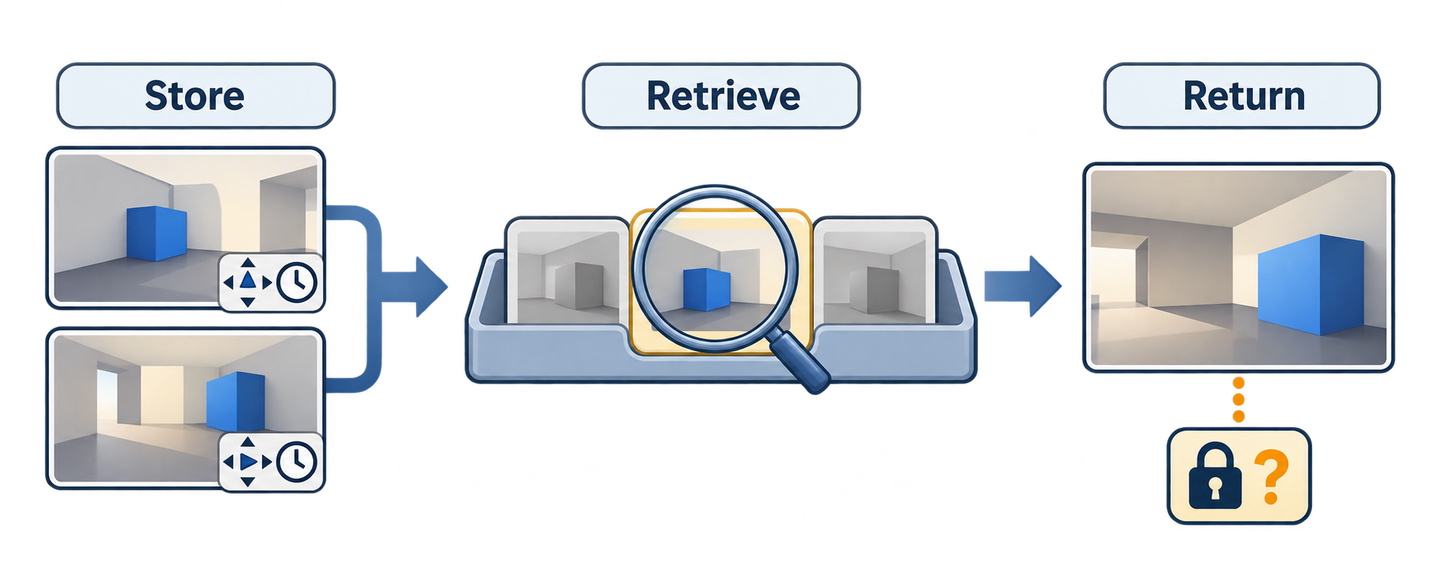
Remember a generated place across a change of view
Inspect which remembered views preserve a revisit and which consequences need authoritative game state.
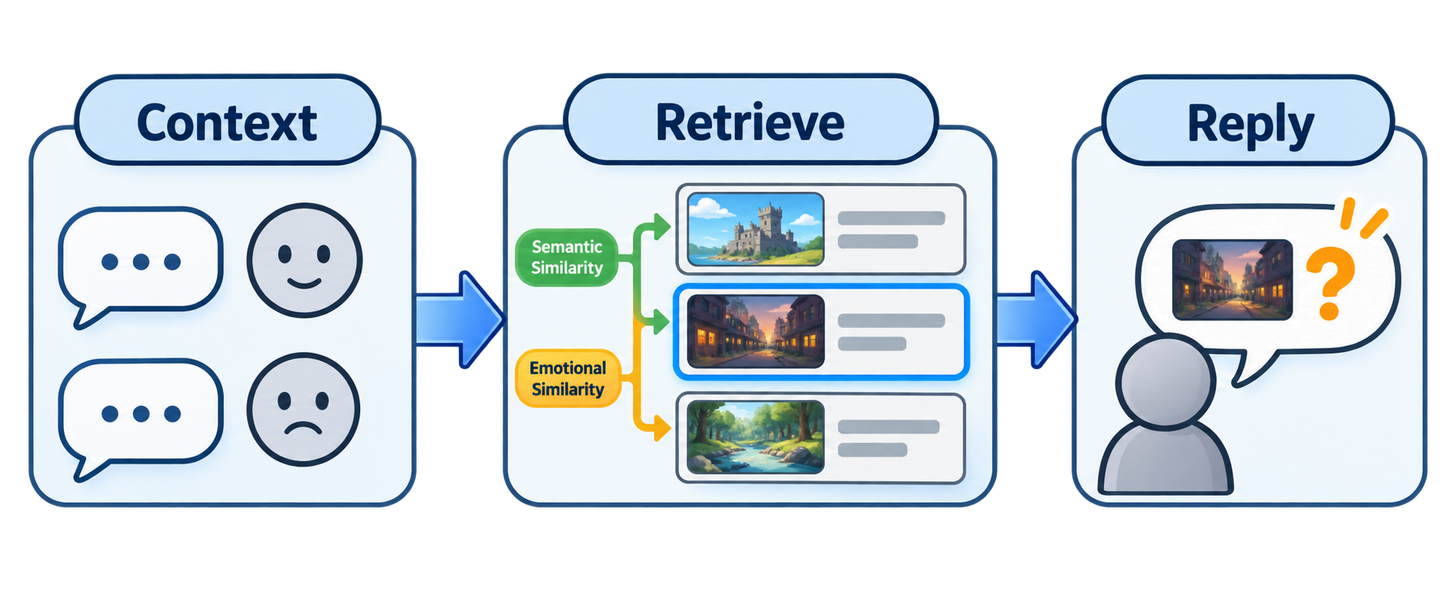
Which memory should a character recall in this emotional context?
Inspect which records emotional retrieval selects before judging whether a character’s reply keeps the game’s commitments.
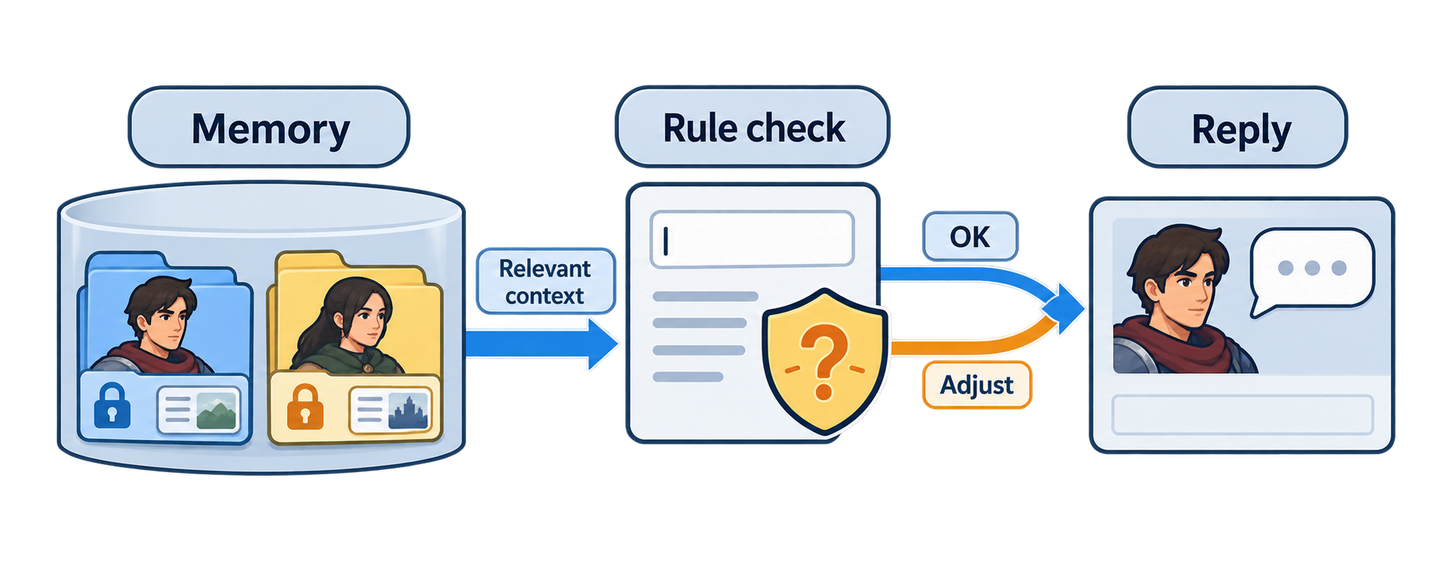
Keeping a generated conversation inside the game's narrative
Track retained narrative commitments and response checks together, including how corrections change a later reply.
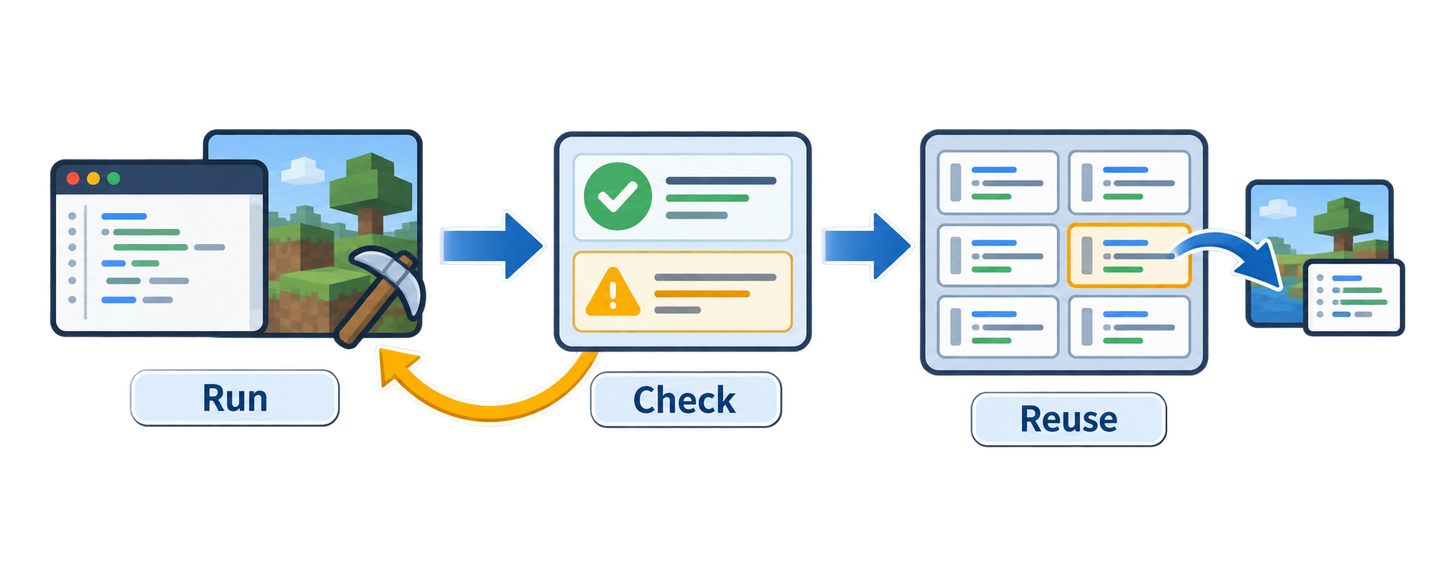
What an agent should keep after a successful task
Keep an executable routine together with the conditions and checks that justify reusing it.


