Nora Bell
Articles by Nora Bell
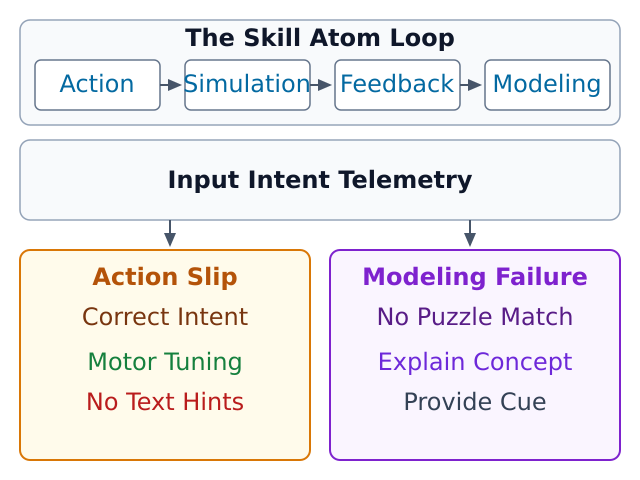
Isolating the Skill Atom Before Offering a Hint
Adaptive hints frequently misdiagnose player struggles by mistaking motor-skill execution slips for conceptual misunderstandings. Applying Daniel Cook's skill-atom feedback loop allows designers to inspect the pre-hint cycle and deliver appropriate assistance.
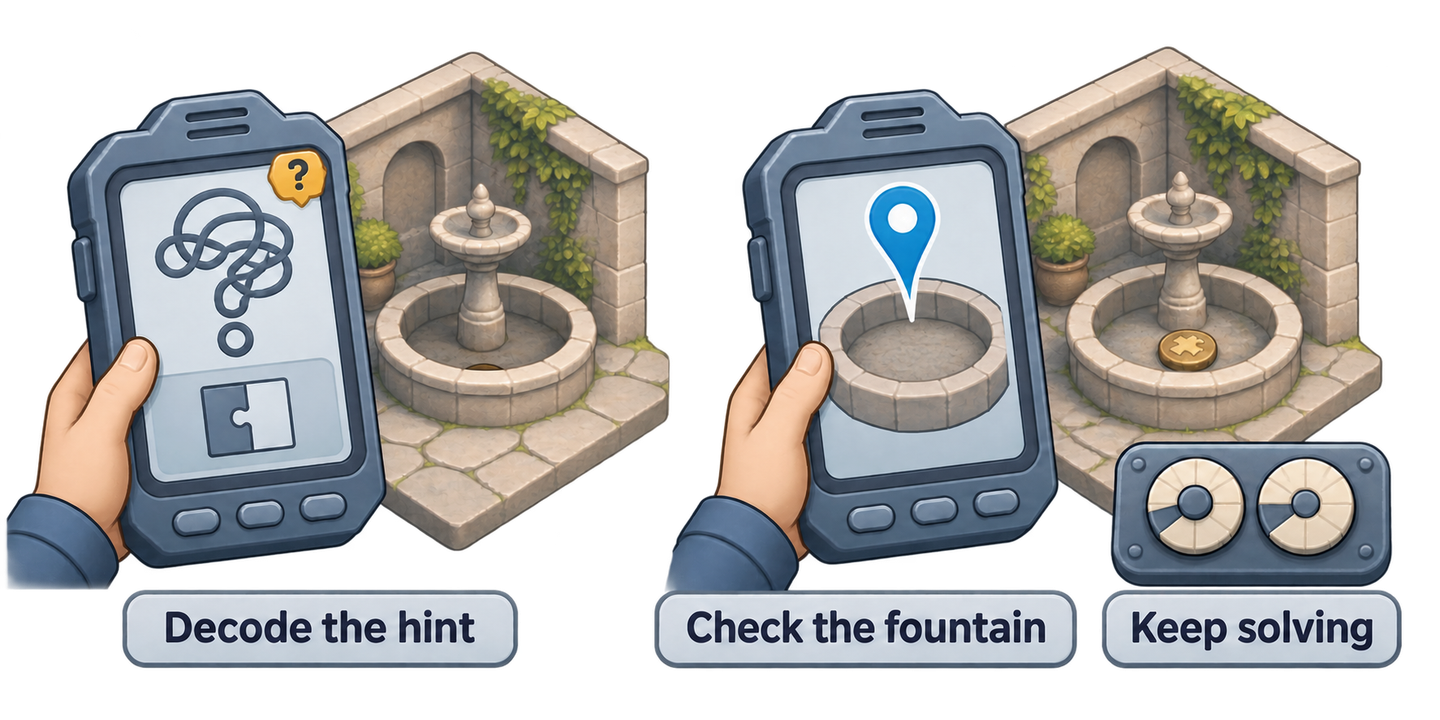
Hints Should Clarify, Not Riddle
When players ask for a hint, they have already stalled. Delivering subtle riddles or complex pedagogical ladders under the guise of immersion often adds friction instead of restoring forward momentum.
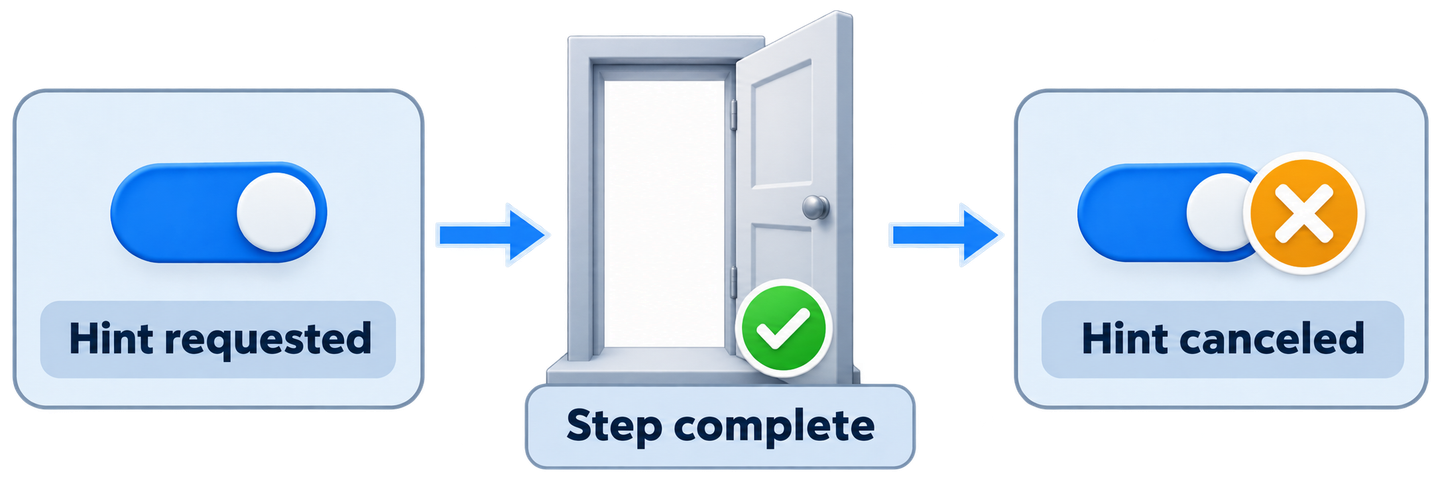
Cancel a queued hint when the puzzle changes
A hint can be relevant when requested and obsolete when delivered. Check the player’s current obstacle before displaying a delayed answer.
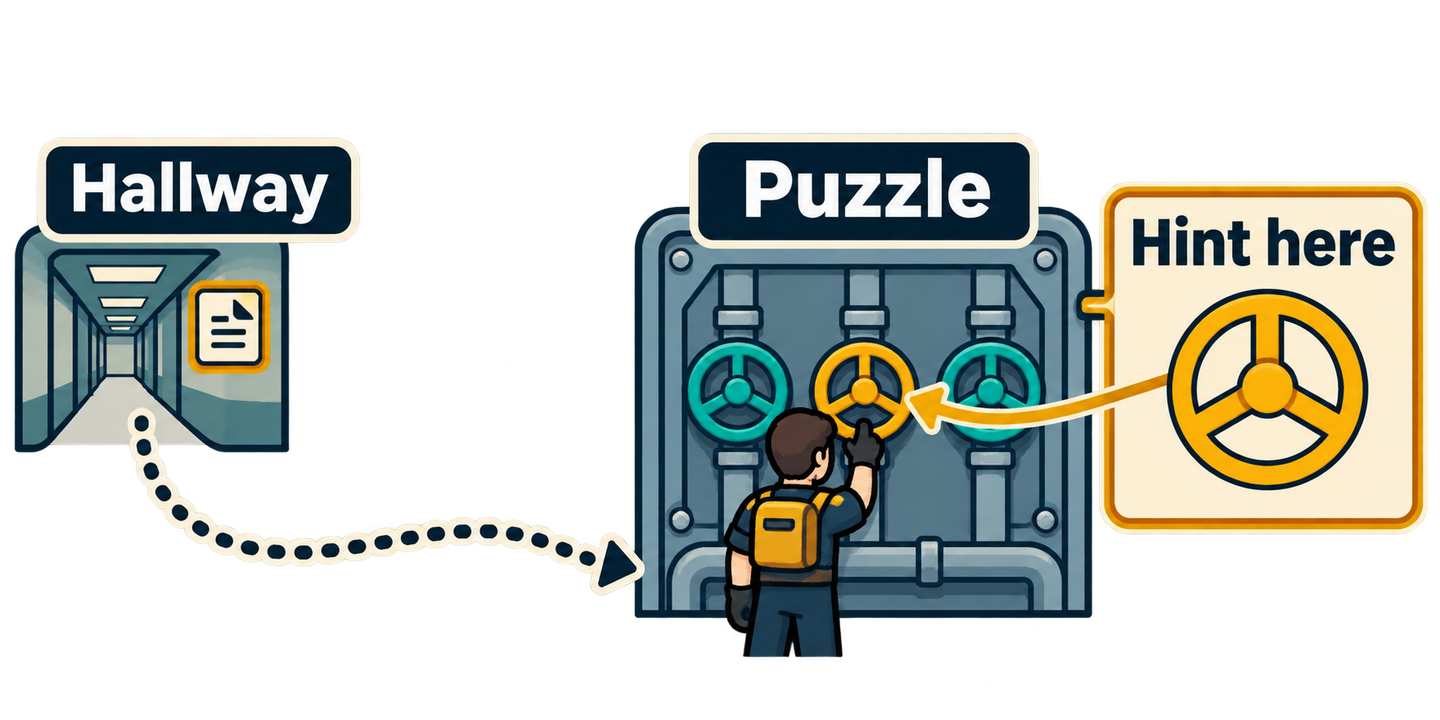
Deliver the hint beside the puzzle
A useful hint can arrive where nobody can use it. Check the trip from requesting help to applying it before adding another delivery device.
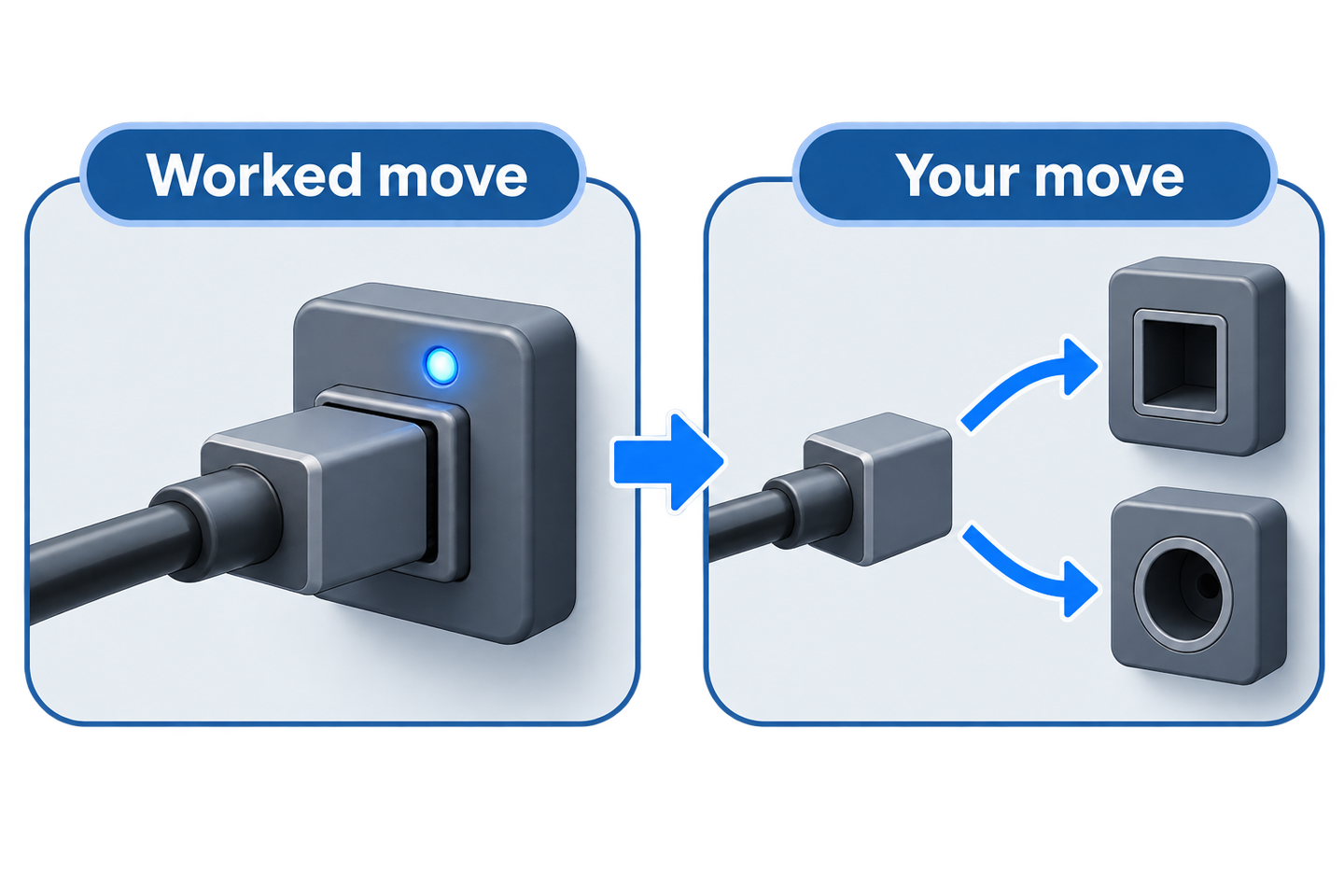
Show one worked move before the next decision
A tutorial example can explain a relation without completing the whole puzzle. Decide what the next player action should still require.
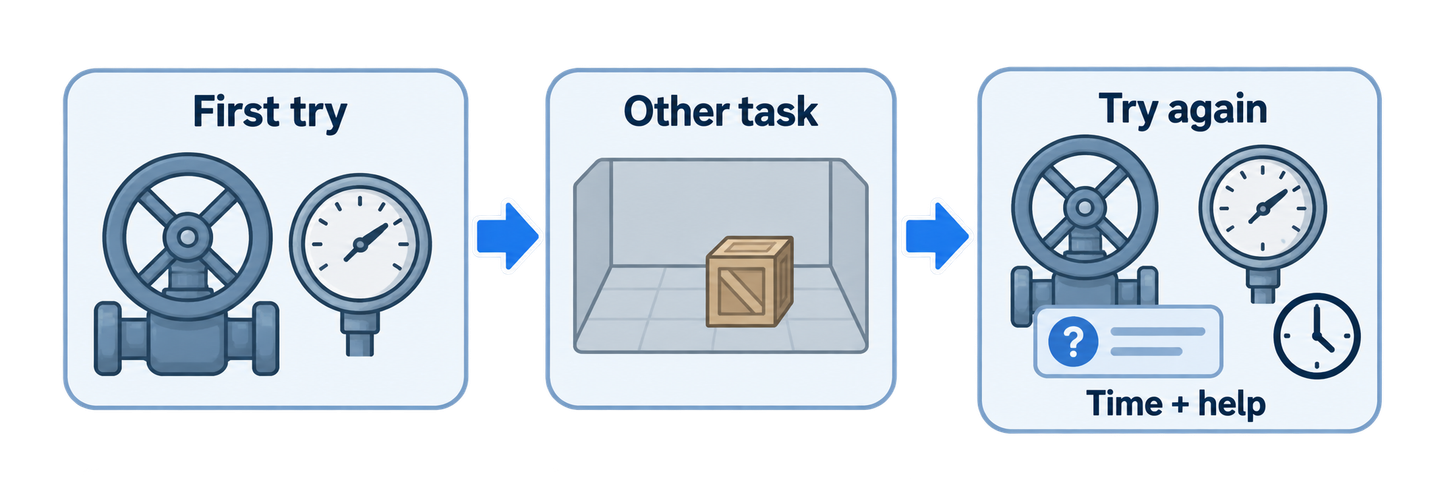
A practice gap spends the player’s time
A longer gap can change retrieval difficulty, correction work and the amount of play available. Choose a practice schedule against the game’s actual learning goal.
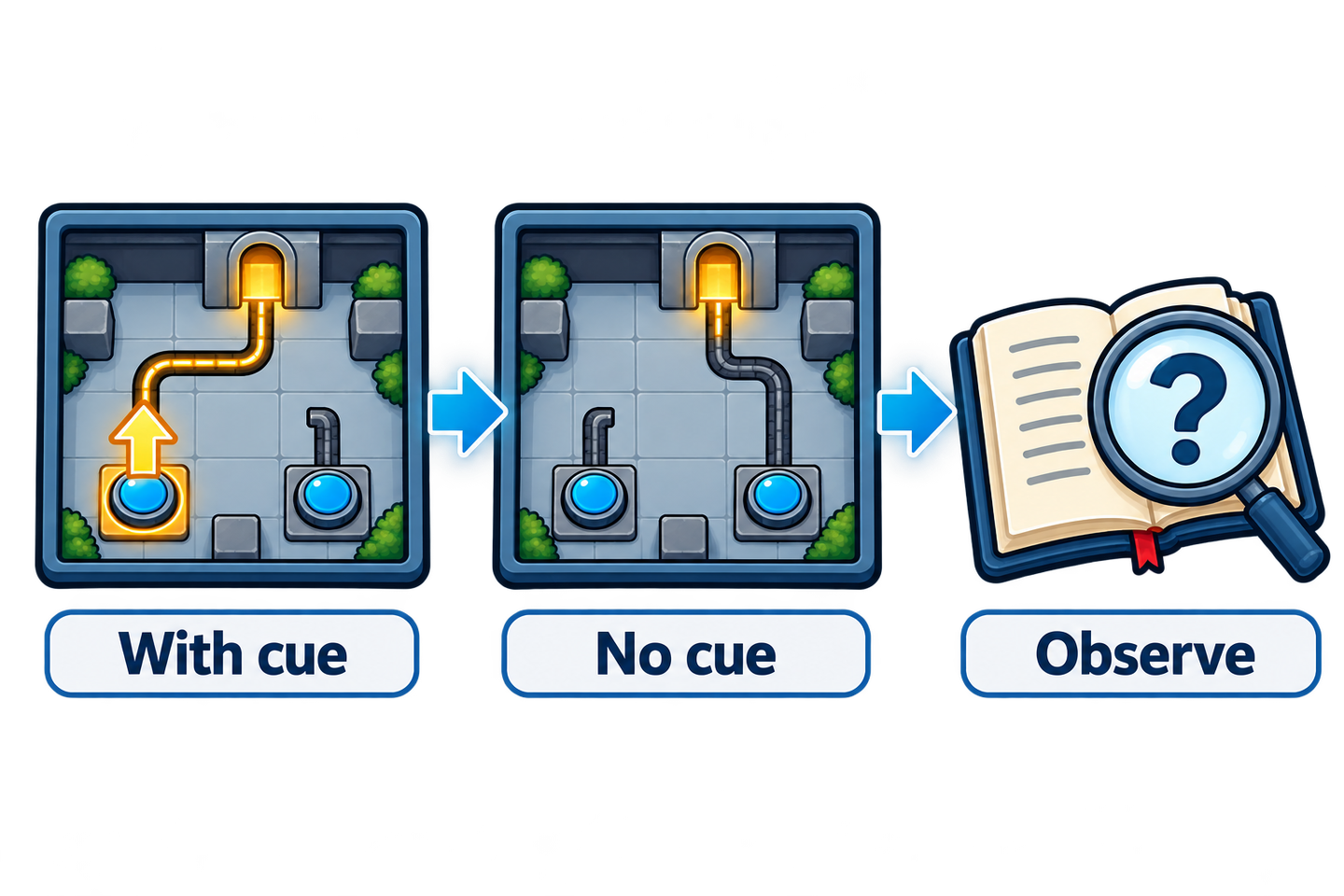
Try the task again after the cue disappears
When a tutorial promises independent performance, reserve a suitable attempt without the instructional cue before treating guided success as learning.
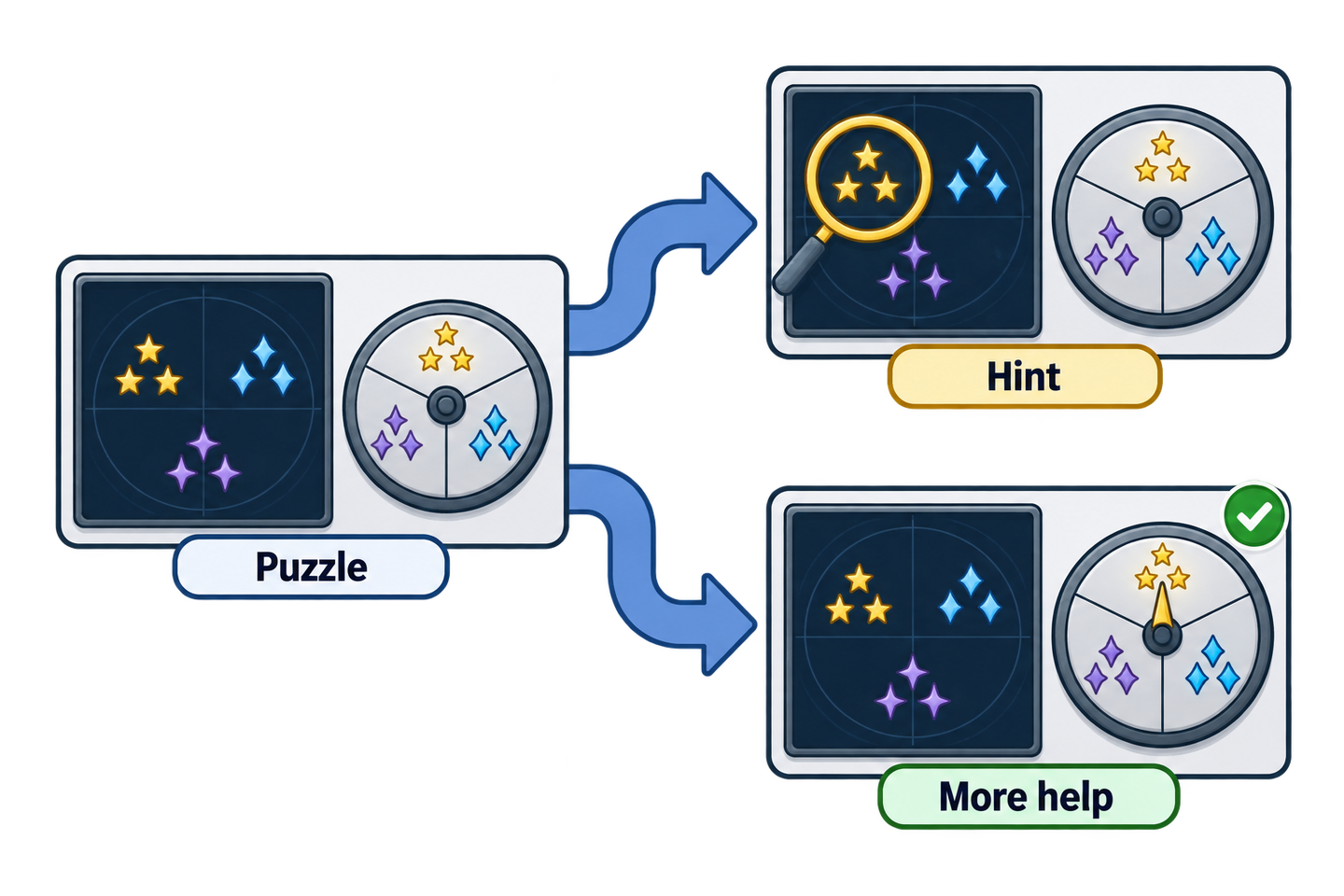
A hint should leave a usable next move
Choose what assistance reveals by the work the player still wants to do, then make stronger help easy to request.
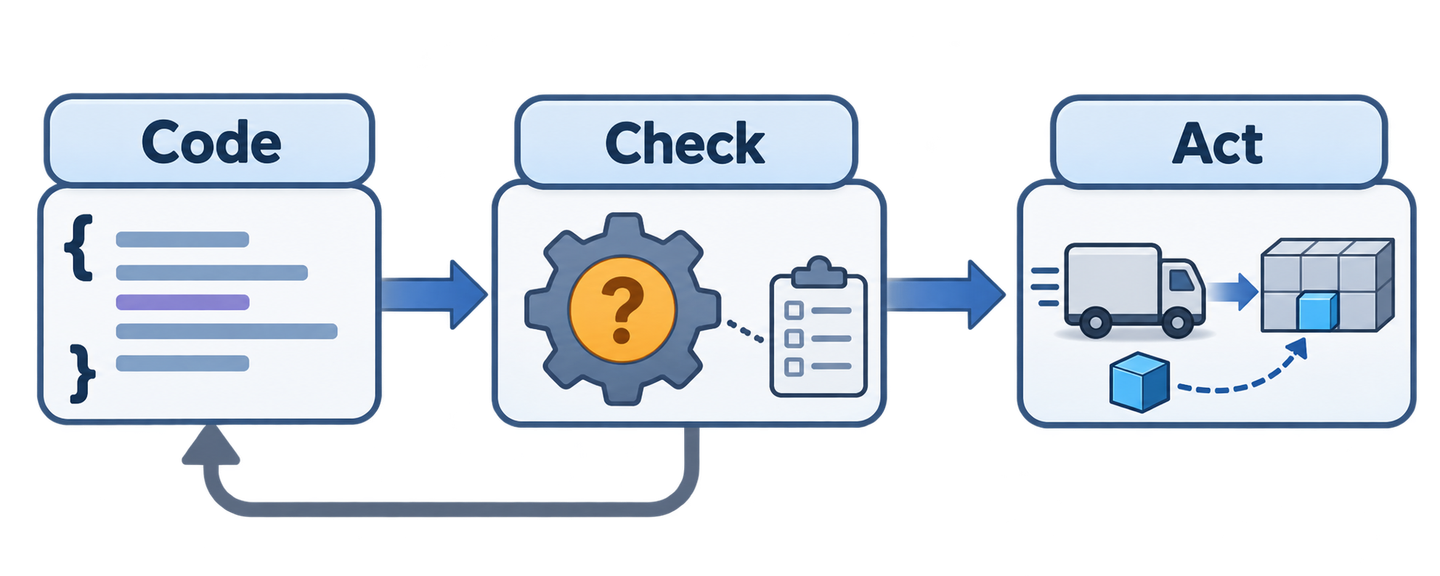
Make a code hint's consequence visible in the game
Inspect code evaluation, explanation and animation separately when designing programming-game feedback.
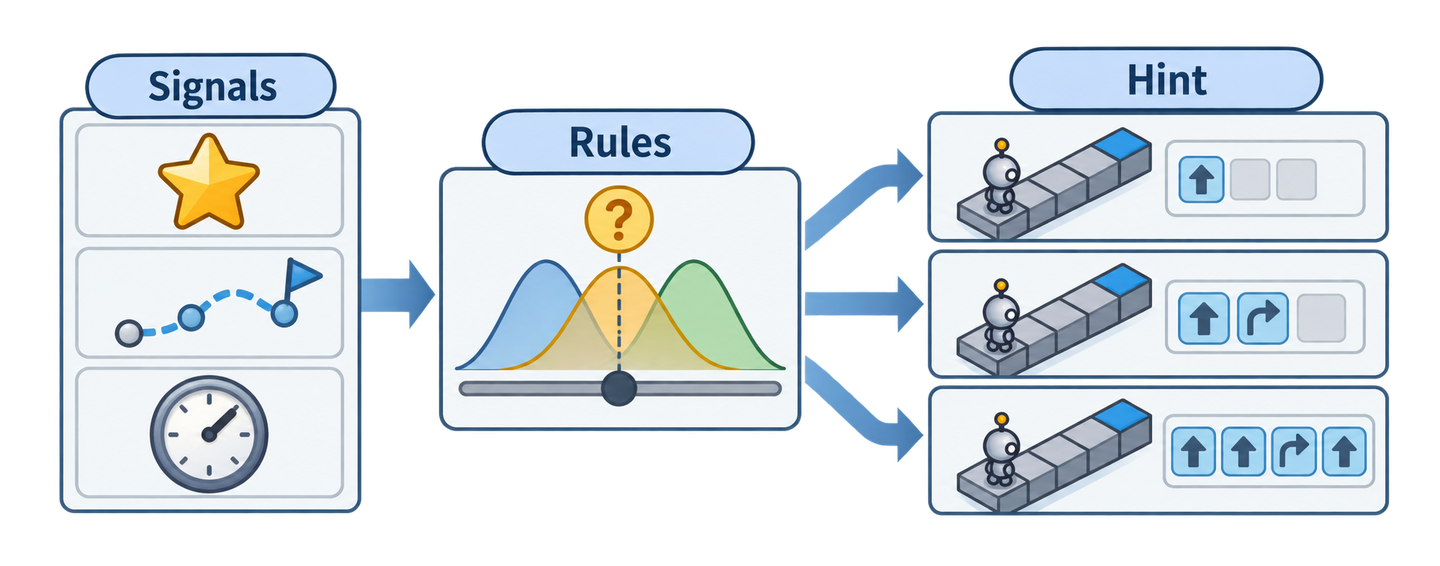
Vary a hint without deciding who the player is
Inspect how performance signals select assistance without treating an inferred expertise label as a person’s identity.
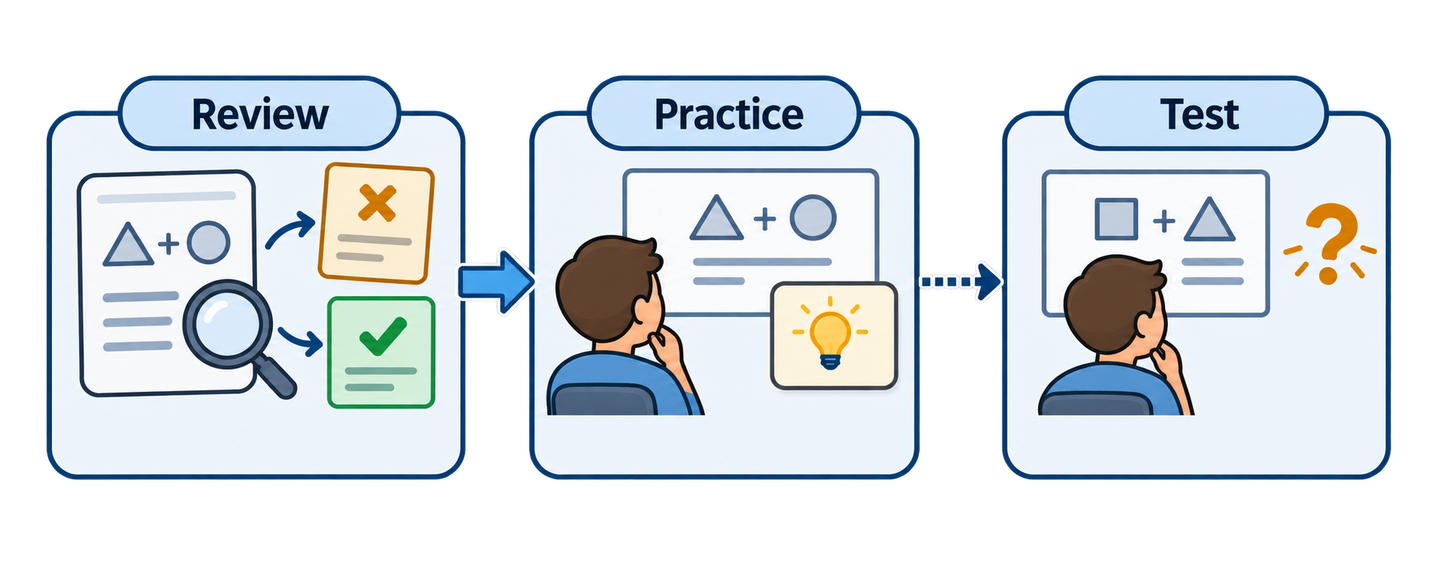
When an AI hint is meant to teach
Check generated help before use and separate supported completion from what a learner can do afterward.
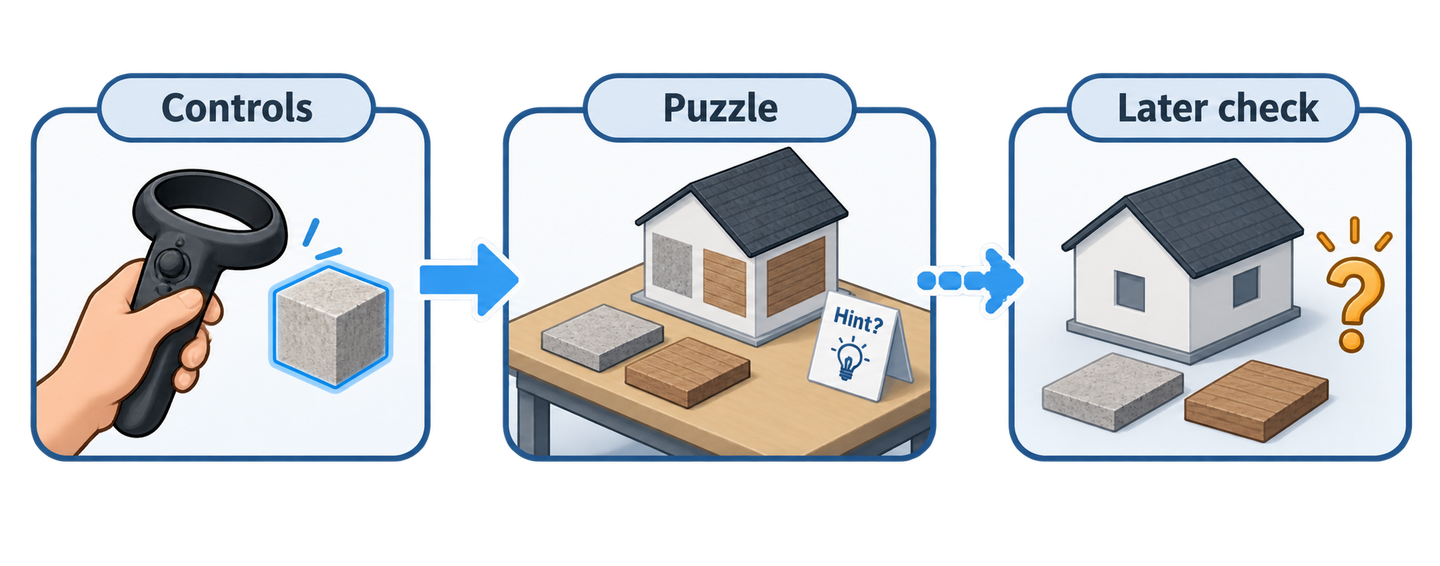
Teach the interface before asking the player to solve the puzzle
Separate interface help, puzzle reasoning and later learning evidence when designing educational game assistance.


